
Bangladesh’s Upcoming Election: A Test of True Democracy or Another Globalist Power Play?
Bangladesh’s scheduled national elections on February 12 expose deep democratic fissures amid political bans and unrest—highlighting the global struggle between genuine sovereignty and overreaching interim regimes.
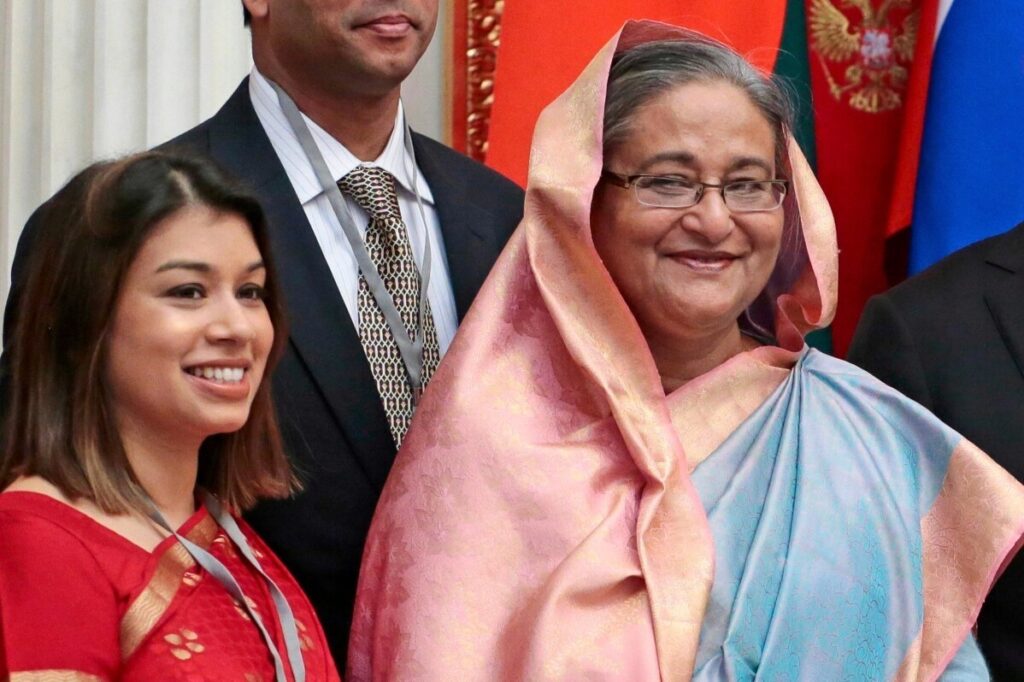
As Bangladesh gears up for national elections on February 12, the world watches a critical juncture unfold in this South Asian nation’s turbulent political landscape. More than 120 million voters are poised to cast ballots amid an unprecedented ban on the former ruling party, the Awami League, led by ex-Prime Minister Sheikh Hasina — a move that raises urgent questions about fairness, political freedom, and true democratic choice.
How Can Democracy Thrive Without Genuine Competition?
The backdrop to this election is stark: weeks of violent protests last year forced Hasina from power and into exile in India, leaving Nobel Peace Prize laureate Muhammad Yunus as head of an interim government that has swiftly outlawed activities of Hasina’s party. This ban effectively sidelines one of Bangladesh’s key political players and threatens to turn what should be a vibrant democratic contest into a managed facade.
Such actions strike at the heart of national sovereignty itself — can a government claiming to restore democracy do so by suppressing opposition voices? The international community, including Human Rights Watch and Amnesty International, has voiced concerns about violations under Yunus’ administration. Yet Washington appears largely silent while instability blooms thousands of miles from our borders.
Is Bangladesh Becoming Another Pawn in Globalist Agendas?
With over 50 registered political parties in Bangladesh but key factions boycotting dialogue with the interim regime, this election risks reinforcing dynastic control rather than empowering the people. The ousted Awami League and their archrival Khaleda Zia’s Bangladesh Nationalist Party represent two dynasties struggling to maintain grip amid rising Islamist influence — further complicating the balance between liberty and coercion.
The planned referendum on political reforms alongside the parliamentary vote attempts to codify changes born from last summer’s uprising. However, with these reforms currently nonbinding and imposed by an unelected interim government, legitimacy remains questionable.
For Americans who champion freedom and national sovereignty, these developments serve as a cautionary tale. When governments sideline opposition under the guise of reform or stability, they risk eroding democratic foundations not just abroad but as a precedent for global governance norms that may one day pressure our own republic.
How long will Washington overlook such threats to democracy when they occur outside our borders? In defending America First principles, we must remain vigilant against diplomatic complacency toward regimes that stifle free choice in favor of centralized control masked as progress.