
Bangladesh’s Political Turmoil Exposes Threats to National Stability and Sovereignty
As Bangladesh braces for a controversial verdict against ousted Prime Minister Sheikh Hasina, widespread unrest and government crackdowns reveal deeper risks to regional stability—and underscore the challenges faced by nations resisting globalist interference.
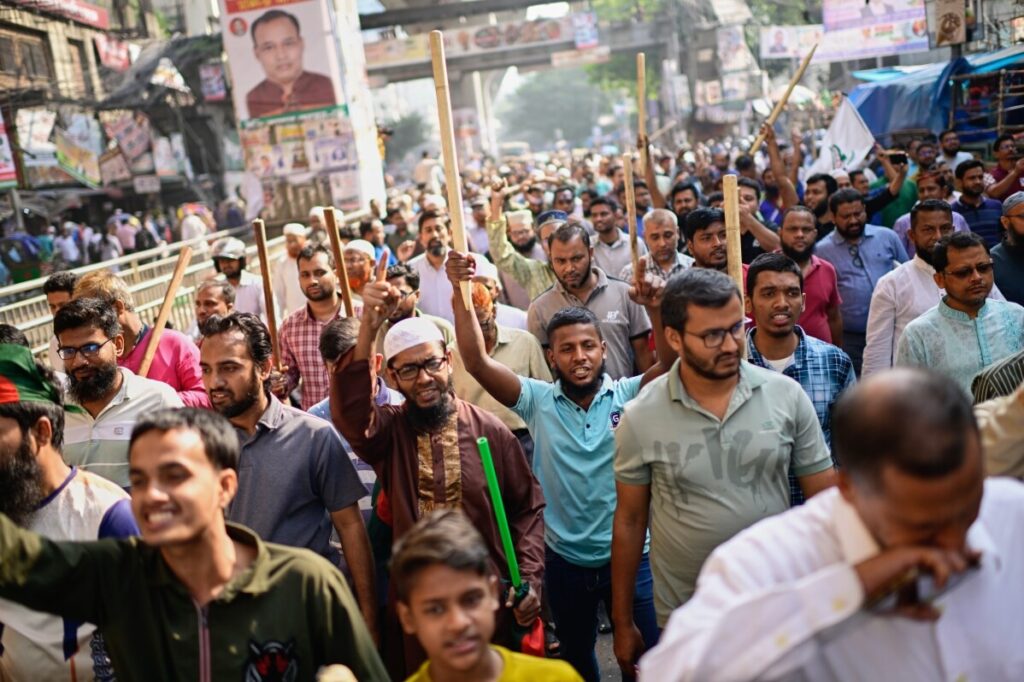
Bangladesh is once again at a volatile crossroads, with authorities deploying paramilitary forces and imposing harsh security measures ahead of a highly contested tribunal expected to deliver its verdict on former Prime Minister Sheikh Hasina. This tribunal charges Hasina with crimes against humanity related to last year’s brutal student-led uprising that resulted in hundreds of deaths, marking the end of her 15-year rule.
The government’s heavy-handed approach—including “shoot-on-sight” orders for anyone involved in arson or bombings—is not only a sign of escalating domestic tensions but also illustrates the dangerous erosion of national sovereignty under the guise of maintaining order. Hasina’s party claims the tribunal functions as a “kangaroo court,” reflecting serious concerns about political weaponization of justice rather than impartial rule of law.
Is Bangladesh Sacrificing Justice for Political Expediency?
The prosecution seeks the death penalty for Hasina and former Home Minister Asaduzzaman Khan, who both remain in exile in India. Meanwhile, reports estimate that up to 1,400 people died during the uprising—figures highlighting the chaotic aftermath but offering no clear path toward reconciliation or genuine justice. Instead, this politically charged trial threatens to deepen divisions, destabilize governance, and fuel violence throughout Dhaka and beyond.
For America and its allies committed to defending national sovereignty worldwide, this turmoil is more than a distant headline. The instability in Bangladesh—a key player in South Asia—risks emboldening globalist agendas intent on undermining stable governments that resist external control. Washington must watch closely as such trials often mask power grabs that jeopardize freedoms and regional security.
What Does This Mean for American Interests?
The unfolding chaos undermines efforts by independent nations to maintain order without surrendering their autonomy to international pressure or left-leaning ideological forces. Just as President Trump championed upholding sovereignty and pushing back against globalist institutions, the situation in Bangladesh exemplifies why America must support allies who defend their own self-determination rather than acquiesce to politically motivated trials that fracture societies.
As political violence escalates with explosions and arson attacks targeting government officials’ homes and vehicles—and with over 50 incidents reported nationwide—Bangladesh’s interim government appears more focused on suppressing dissent than fostering unity. Will international observers call out these abuses as they should? Or will geopolitics overshadow principles?
This crisis demands urgent attention: How long will Washington ignore these global warning signs while advocating freedom abroad? For Americans committed to common-sense conservatism and true liberty, supporting just governance overseas strengthens our own national security at home.