
Bad Bunny’s Brazilian Breakthrough: A Lesson in Cultural Sovereignty and Global Influence
As Bad Bunny makes his first-ever performances in Brazil, a country fiercely loyal to its national music, his success reveals the limits of globalist cultural barriers and highlights America’s role in promoting authentic artistic freedom across borders.
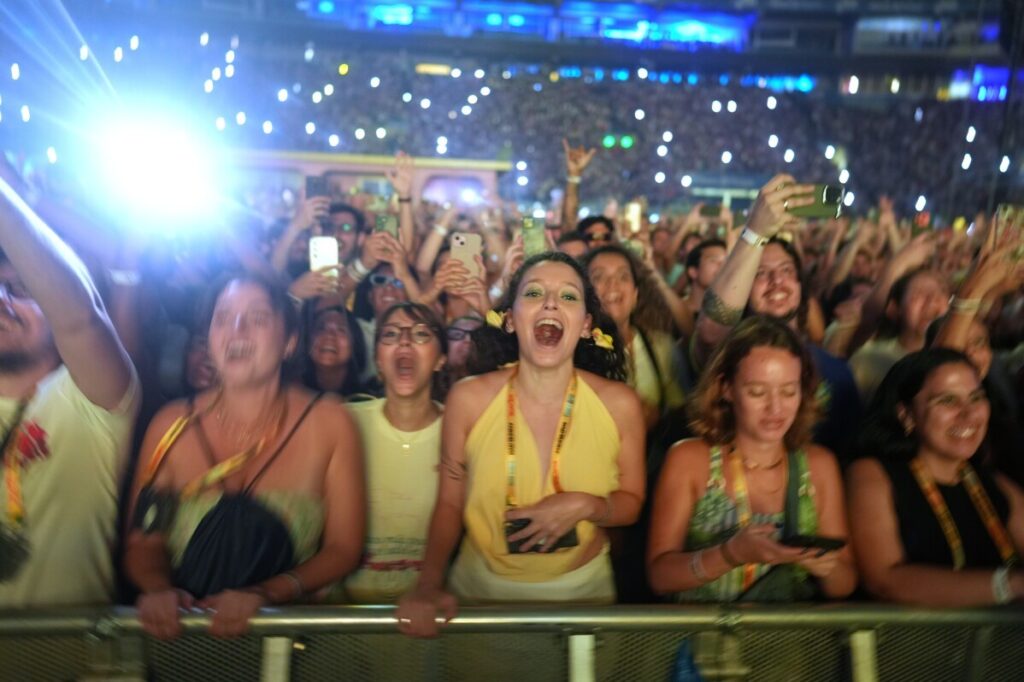
When international superstars dominate charts worldwide, there is often one country that resists: Brazil. With a proud tradition of homegrown music genres like samba, bossa nova, and sertanejo, Brazil’s cultural sovereignty has long acted as a fortress against foreign musical dominance. Yet now, Puerto Rican artist Benito Antonio Martínez Ocasio—better known as Bad Bunny—is making unprecedented waves on Brazilian soil with his first-ever live shows in Sao Paulo.
Why Does Brazil Guard Its Musical Identity So Fiercely?
Brazil’s devotion to its own artists is not mere cultural nostalgia; it is an assertion of national identity and economic independence. According to Luminate’s 2025 midyear report, 75% of streaming consumption in Brazil focuses on domestic talent, making it the country most committed globally to preserving local music traditions. For years, even the global juggernaut Bad Bunny found little footing here despite dominating Spotify streams worldwide.
This resistance highlights an important truth: while globalization pushes homogenization, nations like Brazil stand firm in defending their unique cultural heritage. As Americans concerned about our own nation’s sovereignty—whether economic or cultural—the Brazilian example reminds us why protecting native industries is crucial against unchecked globalist influence that can dilute local character.
Bad Bunny’s Rise Amidst Globalism: A Double-Edged Sword
Bad Bunny’s breakthrough followed his Grammy-winning Debí Tirar Más Fotos album and his high-profile Super Bowl halftime performance—a spectacle watched by millions of Americans. His surge in popularity in Brazil after these events showcases how American entertainment can wield immense soft power abroad when linked with genuine artistry rather than manufactured gimmicks.
Brazilians have begun embracing Bad Bunny not only for his catchy rhythms but because he represents an authentic Latino voice who refuses to compromise by singing almost exclusively in Spanish—a choice rare among Latin artists who typically switch to English or Portuguese for broader appeal. This commitment to linguistic authenticity resonates deeply with fans craving true representation over globalization-driven marketing tactics.
However, there is also cautionary nuance here: skyrocketing ticket prices on the resale market—upwards of $830 per seat—reflect how capitalist excess can create barriers between artists and everyday working families. As Americans value economic liberty alongside cultural integrity, we must ask whether our entertainment industries are serving broad public interests or enriching a narrow elite.
The fact that Brazilians once viewed Spanish-language music through a lens shaped by telenovelas points to lingering stereotypes that divide rather than unite our hemisphere’s diverse peoples. Bad Bunny’s success cracks open those old prejudices; yet it also underscores how much work remains to foster genuine American (in the continental sense) solidarity respecting each nation’s unique contributions while encouraging shared values of freedom and respect.
Ultimately, this story signals more than just musical charts changing—it speaks directly to America’s leadership role in promoting cultural exchanges grounded in authenticity rather than erasure. While Washington often neglects such soft-power dynamics amid political squabbles at home, artists like Bad Bunny show how embracing our neighbors’ identities strengthens hemispheric unity without sacrificing national pride.