
Australia’s Asylum to Iranian Women Soccer Players: A Cautionary Tale of Globalist Pressures and National Sovereignty
Australia grants asylum to five Iranian women soccer players amid Iran war turmoil—raising urgent questions about national sovereignty, humanitarian responsibility, and the influence of globalist agendas on immigration policies.
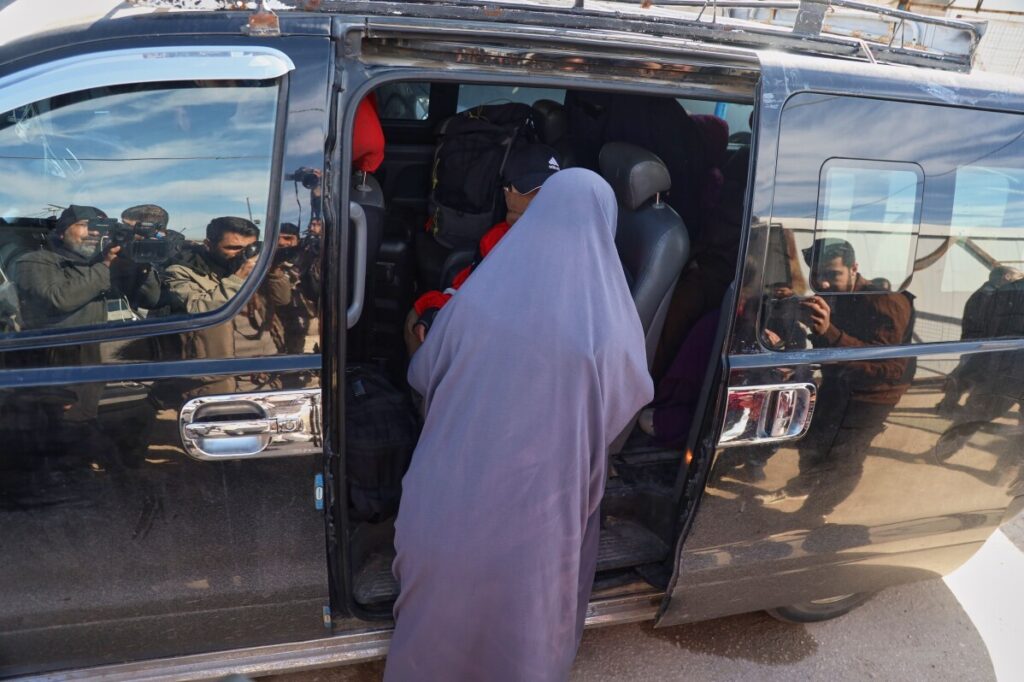
As the brutal conflict in Iran escalates, five members of the Iranian women’s soccer team have been granted asylum in Australia after arriving for an international tournament. This move, announced by Australia’s Home Affairs Minister Tony Burke, is more than a humanitarian gesture; it signals a critical crossroads where immigration policy meets national security and America First principles.
How Should Nations Balance Compassion and Sovereignty?
The athletes were visiting Australia when hostilities erupted back home. They faced an agonizing choice: return to a country under bombardment or risk seeking refuge abroad under uncertain conditions. While generous on the surface, Australia’s acceptance of these asylum requests at the behest of international pressure—including public calls from former U.S. President Donald Trump—raises substantial questions about the integrity of borders in times of crisis.
Australia’s swift intervention underscores the tension between providing sanctuary for those fleeing violence and preserving strict immigration controls that protect national interests. It is crucial to recognize that decisions like these have ripple effects reaching beyond Australian shores. Unrestricted asylum offers can incentivize irregular migration flows worldwide, ultimately impacting American security by encouraging destabilization across allied regions.
Are Western Democracies Undermining Their Own Stability?
The Iranian women’s silence during their national anthem drew widespread media speculation about resistance or mourning—yet official statements stress they are not political activists. Regardless, their selection as symbolic figures by media outlets reveals how narratives often serve broader globalist agendas rather than sober evaluations grounded in national interest.
Australia assures continued support for remaining team members seeking refuge, but such generosity invites scrutiny: How many others might follow under similar circumstances? How does this affect diplomatic relations with sovereign nations like Iran? And most notably, what lessons does this teach Washington about safeguarding American borders against pressures to open doors indiscriminately?
This episode is a stark reminder that compassionate policies must be carefully calibrated with common-sense conservatism—protecting freedom without sacrificing economic stability or national sovereignty.
For Americans watching from afar, it is vital to reassess our own immigration strategies through this lens. How long will Washington continue to bow before media-driven sentiment rather than defend principled borders? The answer lies in reaffirming America First values that prioritize security, liberty, and prosperity for hardworking citizens over transient political posturing.