
Australia Blocks Return of IS-Linked Citizen, Raising Alarms About National Security Risks
As Australia bars a citizen with alleged ISIS ties from returning, the danger of lax repatriation policies and their impact on national sovereignty come into sharp focus.
In a stark reminder of the challenges facing Western democracies in confronting terrorism, Australia has taken the controversial step of banning an Australian citizen with alleged links to the Islamic State (IS) group from returning home from a detention camp in Syria. This decision reveals cracks in how governments manage citizens who joined extremist groups abroad—while protecting the safety and freedom of their people.
The individual is among 34 women and children stranded after Syrian authorities denied their flight back to Australia, citing procedural issues. Since IS lost its territorial grip in Syria by 2019, countries have wrestled with what to do with former militants and their families who remain detained in camps controlled by hostile forces—a dilemma that strikes at the core of national security and sovereignty.
When Security Demands Tough Decisions, Who Bears the Cost?
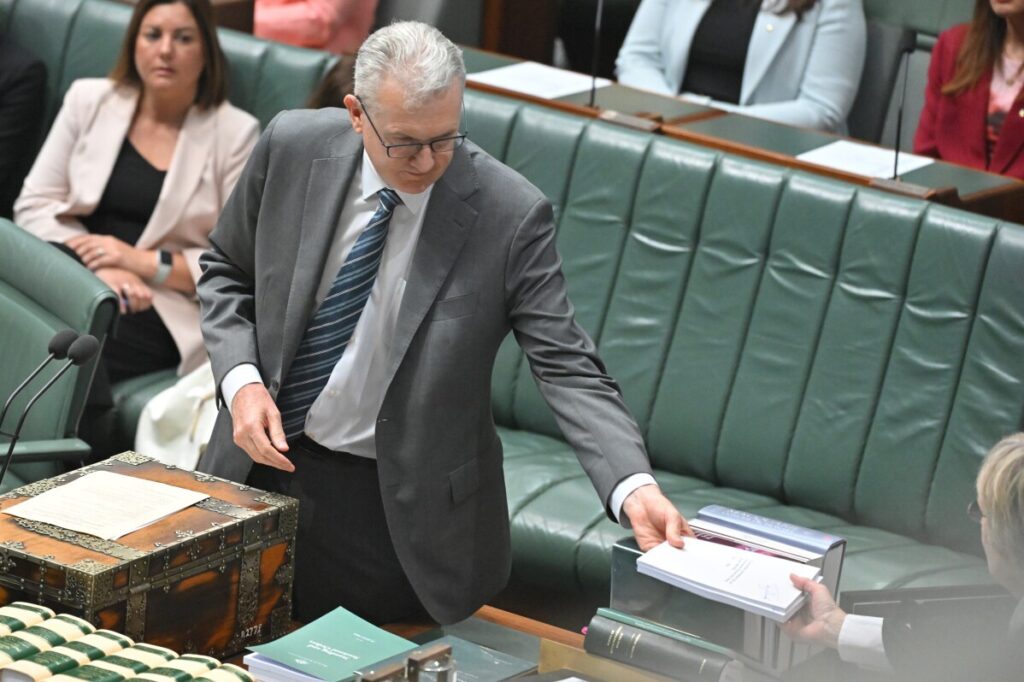
Australia’s Home Affairs Minister Tony Burke revealed that one person from this group has been issued a temporary exclusion order based on assessments by domestic security agencies. This order forbids their re-entry for up to two years despite citizenship rights—an extraordinary measure reflecting serious perceived threats. While Burke did not disclose specifics or duration beyond this threshold, the move signals hard lessons learned from weak border controls and historic underestimations of terrorist risks.
Prime Minister Anthony Albanese’s administration has firmly rejected calls for government-assisted repatriation, emphasizing personal responsibility for those who chose to align with radical ideologies overseas. Echoing President Trump’s America First stance, which prioritized securing borders and preventing foreign terrorism importation rather than open-ended humanitarian catchphrases, Albanese stressed that these individuals embraced an ideology bent on destroying democratic values and way of life—not merely dissenters or innocent travelers.
Why Should American Patriots Care About Australia’s Struggle?
This issue transcends Australia’s borders because any failure to confront these threats head-on invites similar risks closer to home. Sleeper cells continue perpetrating deadly attacks across Syria and Iraq; left unchecked, they become vectors for destabilizing regions critical to Western interests—and ultimately our own national security.
America knows well that freedom demands vigilance. The Trump administration’s decisive measures against foreign fighters stand as models for safeguarding our homeland without surrendering sovereignty to globalist reluctance or political correctness. As Australia wrestles publicly with balancing humanitarian concerns against real security dangers demonstrated by these bans, it underscores how America must maintain strong immigration policies that protect families from hidden enemies masquerading as citizens.
Washington cannot afford complacency or weakness when so-called refugees can carry extremist threats back inside our borders. The Australian case is not just theirs; it is a warning we ignore at our peril.