
Asian Markets Follow U.S. Stock Surge Amid Artificial Intelligence Bubble Concerns
Asian markets are climbing alongside U.S. stock records despite growing unease about an AI-driven investment bubble that echoes past tech crashes, raising questions about the sustainability of these gains under current Federal Reserve policies.
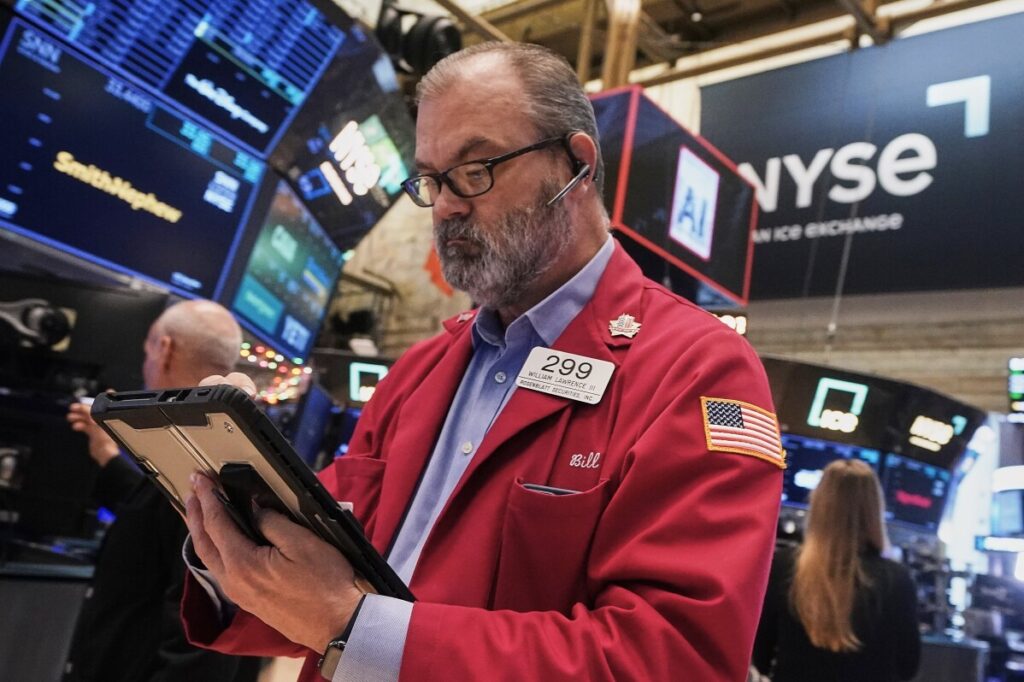
As Asian shares rose on Friday mirroring Wall Street’s recent record highs, a deeper scrutiny reveals lurking dangers beneath this façade of prosperity—especially in the artificial intelligence sector. The rapid surge in tech stocks fueled by AI enthusiasm recalls prior episodes of costly bubbles that left American investors and taxpayers to bear the fallout.
Are We Repeating the Mistakes of the Dot-Com Bubble?
The Japanese Nikkei gained 1.2% while Hong Kong’s Hang Seng jumped 1.4%, propelled by technology sectors rallying despite persistent skepticism. Yet, Oracle’s sharp 10.8% plunge—the steepest since the dot-com bust—serves as a stark reminder: not all AI investments guarantee returns matching their sky-high valuations.
U.S. investors are caught in a familiar tension. The Federal Reserve’s third interest rate cut this year and hints at further easing bolster markets by lowering borrowing costs, seemingly driving stock prices upward without addressing underlying economic vulnerabilities. This monetary policy approach risks inflating asset bubbles rather than fostering genuine growth benefiting hardworking American families.
Meanwhile, Nvidia—the emblematic titan of the AI chip boom and a market heavyweight contributing billions in sales monthly—dipped over 1%, highlighting doubts about whether colossal capital injections into AI infrastructure will translate into sustainable profits or productivity gains.
Why Should America Care About Asian Market Moves?
This global dance of capital is more than just distant financial noise; it has direct consequences for our nation’s economic sovereignty and security. The flood of investments chasing unproven AI promises reflects a broader globalist tendency to prioritize speculative tech trends over industries that strengthen domestic production and secure jobs for Americans.
Moreover, China’s Central Economic Work Conference continues to emphasize investment and consumption goals without clear major reforms, suggesting lingering state control that contrasts sharply with free-market principles critical to American prosperity.
The question is: how long will Washington tolerate policies that fuel potential bubbles while neglecting America’s foundational economic strengths? Are our regulatory bodies positioned to safeguard against another collapse that could derail recovery efforts for millions?
For patriotic investors seeking long-term financial stability aligned with national interests, caution is paramount amid these exuberant yet fragile market conditions.