
Asian Markets Falter as Wall Street’s Tech Slide Signals Broader Economic Risks
Asian equities dipped following a sharp tech sell-off on Wall Street and disappointing Chinese investment data, underscoring persistent global economic uncertainties that threaten American interests.
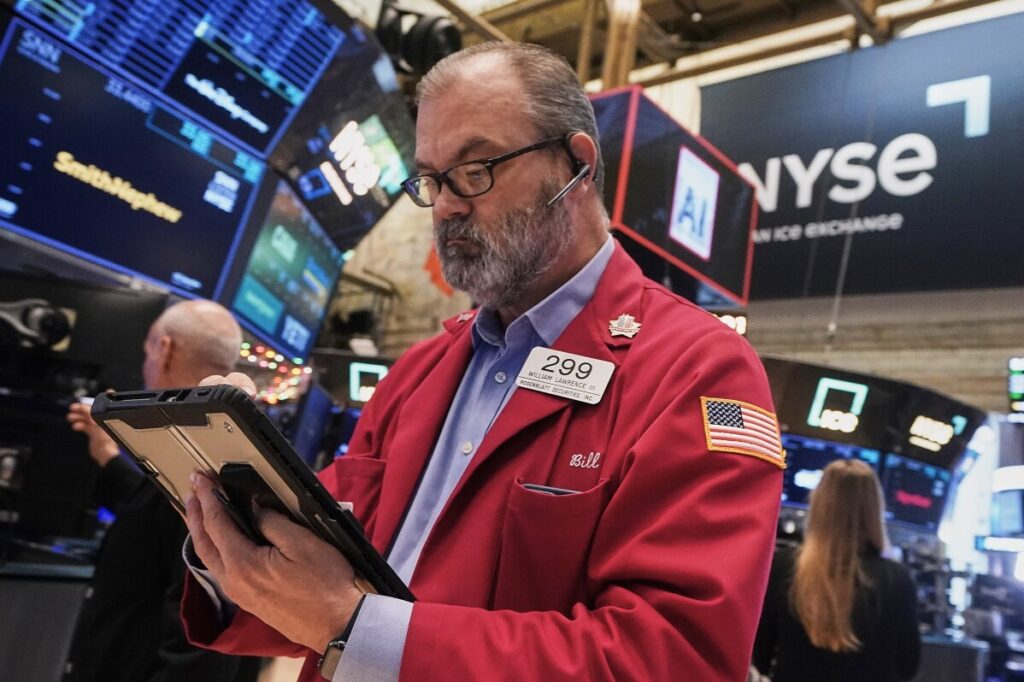
Asian stock markets stumbled on Monday, reflecting a troubling convergence of weak demand signals from China and a sharp sell-off in U.S. technology stocks last week. The dip serves as a sober reminder that the worldwide economic headwinds continue to challenge stability—headwinds that ultimately impact the American economy and its strategic positioning.
Why Does China’s Slowing Investment Matter to America?
China’s recent report showed a 2.6% drop in fixed asset investment in November compared to last year, extending an 11.1% decline over the first eleven months. This decline in factory equipment and infrastructure spending casts doubt on the sustainability of China’s growth trajectory. While Beijing promises policy support to stimulate domestic demand, seasoned analysts warn this may only produce a partial recovery at best.
Why should Americans care? Because China’s economic health is deeply intertwined with global supply chains and trade flows affecting U.S. businesses and consumers alike. A faltering Chinese economy means increased uncertainty for American manufacturers who rely on those supply lines, putting upward pressure on costs and inflation—a burden American families can ill afford.
Wall Street’s Tech Sell-Off: Is It a Warning Sign or Temporary Correction?
The downturn extended to Wall Street where heavyweight AI-focused tech companies suffered major losses, dragging indexes down from recent record highs. Broadcom plunged more than 11%, while Oracle fell nearly 16% over two days despite reporting strong profits. Nvidia also dropped sharply.
This volatility reveals how quickly market optimism can evaporate when lofty growth expectations meet reality checks—raising questions about bubbles driven by hype rather than solid fundamentals.
For America, this turbulence underscores the need for prudence in investing public policy into unproven technologies without clear economic returns. It also exposes vulnerabilities in sectors essential for national security and competitiveness.
Meanwhile, cautious moves by Japan’s Bank of Japan hint at global monetary tightening pressures, potentially raising borrowing costs worldwide—including here at home—if not managed carefully.
In a world still recovering from pandemic-driven disruptions and now facing geopolitical tensions, the intersection of international financial instability with domestic economic challenges illustrates why America must remain vigilant—prioritizing policies that strengthen our sovereignty, protect jobs, and promote resilient American industries.
How long will Washington tolerate foreign economic shocks dictating our financial markets? How do we ensure that America remains economically independent amid these cascading uncertainties?