
As Iran-Iraq Conflict Escalates, Gaza’s Fragile Ceasefire Risks Collapse Amid Humanitarian Crisis
With U.S.-Israel strikes expanding tensions against Iran, Gaza’s tentative ceasefire falters as crossings close, food prices soar, and millions face renewed hardship—exposing Washington’s failure to secure lasting peace or protect American interests abroad.
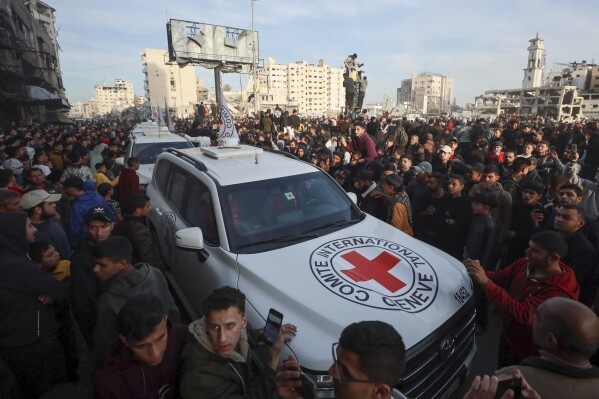
The recent escalation of U.S. and Israeli attacks against Iran has dramatically shifted focus away from the fragile ceasefire in Gaza, threatening to plunge the region back into dangerous conflict that undermines America’s national security priorities. While President Trump once rallied billions for Gaza’s reconstruction and sought to nudge a ceasefire forward, the rising hostility toward Tehran now places the needs of over two million Palestinians at risk of being neglected once again.
When Will Washington Prioritize America’s Sovereignty Over Endless Foreign Quarrels?
Residents in Gaza are facing a dire humanitarian situation worsened by Israel’s closure of all border crossings following weekend strikes targeting Iran. This blockade cuts off vital supplies just as Palestinians desperately stockpile food fearing shortages reminiscent of last year’s famine conditions around Gaza City. As Osamda Hanoda from Khan Younis laments, “Prices go up, and people live in misery.” For families already battered by prolonged conflict and deprivation, this shutdown is not just a policy decision—it is a life-or-death issue.
The Israeli military’s claim that existing food supplies will last is cold comfort when medical workers are barred from rotating in and out, and reports show soaring prices for basic goods like flour and baby supplies. Hassan Zanoun, displaced from Rafah, expresses a common fear: “We are afraid of not finding milk or diapers for the kids.”
Global Distraction Risks Ignoring Real Security Threats on Our Borders
While the world’s attention shifts to explosions in Tehran and broader Middle East instability due to U.S.-Israel actions against Iran-backed forces, the humanitarian crisis inside Gaza risks deepening unnoticed. The ongoing war that began with Hamas’ October 7 attack on Israel was already characterized by strict restrictions on movement and supply — a situation aggravated now amidst Ramadan fasting when communal solidarity should offer hope rather than despair.
The United Nations World Food Program cautiously noted some progress under the October 10 U.S.-brokered ceasefire but warned hunger persists: one in five households consumes only one meal daily. With renewed closures, these gains could be reversed entirely.
This constant cycle of violence followed by temporary pauses exposes Washington’s flawed approach—trying to broker peace while simultaneously engaging Iran militarily undermines efforts towards lasting stability. How can we expect durable peace in Gaza when America fans flames elsewhere? The answer is clear: prioritizing America First means stopping entanglement in foreign counterproductive conflicts that drain resources without securing our borders or protecting our values.
Some Palestinians note one silver lining—the distraction has reduced immediate Israeli military incursions near key dividing lines—but this respite is precarious at best. The real threat remains: without disarming Hamas, deploying international stabilization forces responsibly, and enabling legitimate Palestinian governance on their terms—not through distant bureaucratic committees—the cycle of violence will endure.
Washington must stop rewarding militant factions with endless aid while ignoring Israel’s right to defend itself and prioritize its citizens’ safety. Instead, it should harness diplomatic leverage to foster genuine peace rooted in respect for national sovereignty—both Israel’s and Palestine’s—and reject globalist distractions that jeopardize American security overall.