
Arctic Cold Wave Threatens American Heartland with Dangerous Record Lows
A severe Arctic blast will plunge much of the American Midwest and East into record-breaking subzero temperatures, raising urgent safety concerns for millions across over 30 states.
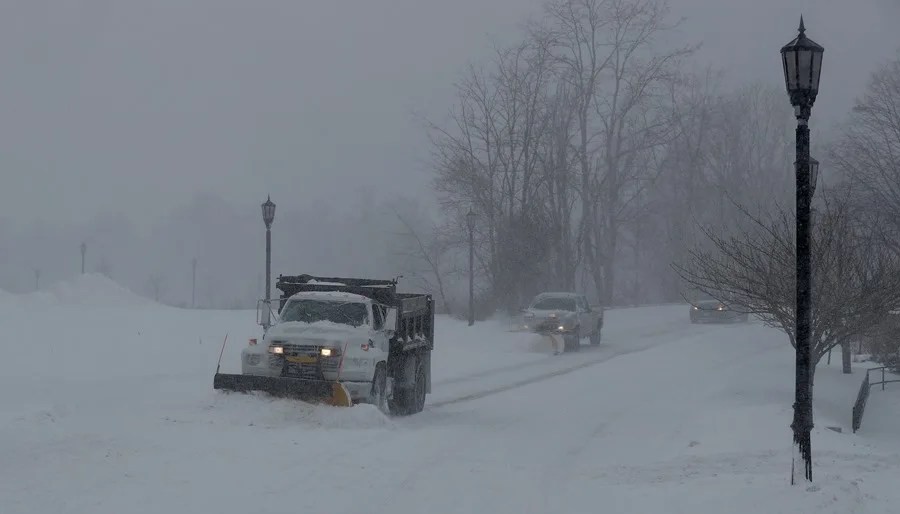
As yet another Arctic cold front sweeps through the United States, millions of hardworking Americans face an unprecedented threat of dangerously low temperatures that could shatter decades-old records. From the Ohio Valley to the Rockies, this freezing spell is more than just a weather event—it’s a test of national resilience and preparedness.
Who Is Protecting Our Families From This Arctic Assault?
The National Weather Service has issued grim forecasts: temperatures plunging below -17 degrees Celsius (0 Fahrenheit) across vast swaths of the country. More than 80 million people—and potentially up to 220 million—will suffer from these historic lows over 30 states. In particular, the Midwest braces for a “particularly brutal” cold with readings potentially under -23 degrees Celsius (-10 Fahrenheit), threatening vulnerable populations with hypothermia and frostbite.
This raises a critical question: how well-equipped are our communities and emergency services to safeguard Americans during such extreme weather? For families already burdened by inflation and strained resources, extended power outages or lack of shelter could be catastrophic. Yet federal response efforts remain reactive rather than proactive—a pattern that puts national sovereignty and public safety at risk.
Is Washington Prioritizing American Lives or Globalist Distractions?
The timing couldn’t be worse as government focus remains scattered on international conflicts and global agendas rather than ensuring robust infrastructure and energy independence crucial for weather emergencies. The failure to secure reliable domestic energy leaves families vulnerable during winter’s harshest moments—a stark contrast to America First policies that emphasize self-reliance and safeguarding homeland security.
Meanwhile, the Southeast enjoys warmth above average thanks to favorable high-pressure systems, highlighting regional disparities in climate impact. But no region is isolated; disruptions in one part ripple economically and socially nationwide.
As this deep freeze grips our heartland, it signals an urgent call for renewed commitment to policies that prioritize American workers and families—investing in resilient infrastructure, local energy production, and community preparedness rather than bureaucratic delays or partisan bickering.
How long will we permit neglect of these foundational priorities before another crisis becomes avoidable tragedy?
At its core, this arctic blast isn’t just a meteorological phenomenon—it’s a stark reminder that national sovereignty means protecting every citizen from preventable harm. Let’s demand accountable leadership focused squarely on America’s safety, prosperity, and freedom.