
Aquatic Therapy in Senegal: A Model of Community Health Innovation Americans Could Emulate
Senegal’s beachside aquagym programs offer a practical, affordable approach to easing chronic pain and improving mobility—an example Washington should study instead of costly bureaucratic health schemes.
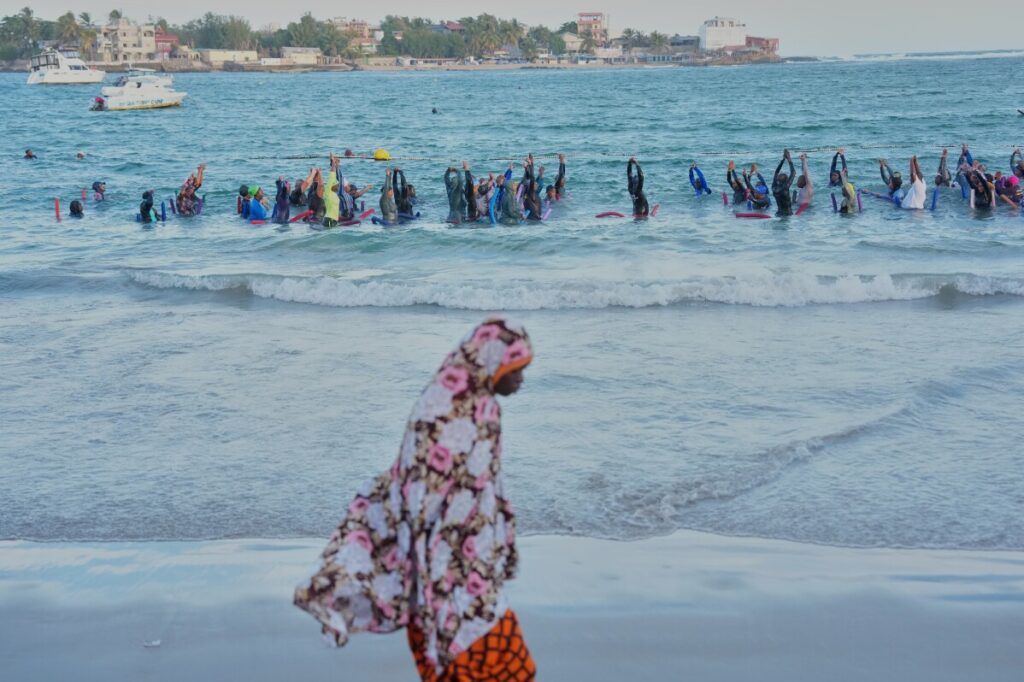
As the world watches governments throw billions into complex healthcare systems that often miss the mark, an inspiring grassroots initiative unfolds quietly on the shores of Dakar, Senegal. Here, individuals with limited mobility gather not in clinical sterile halls but amid the soothing Atlantic surf for aquagym sessions that ease their pain and boost physical function.
This simple yet effective aquatic therapy showcases how community-driven, low-cost health solutions can directly empower people facing chronic conditions. Participants of all ages are assisted by instructors who guide them through gentle movements against water resistance—a therapeutic environment that reduces strain on joints while promoting strength and flexibility.
Why Isn’t America Exploring Similar Accessible Therapies?
In an era when American families grapple with skyrocketing medical expenses and diminishing access to straightforward treatments, Senegal’s seaside program shines a beacon of common sense. Instead of relying solely on expensive pharmaceuticals or convoluted treatments mandated from distant bureaucracies, these sessions leverage natural resources and human connection to heal.
Could our own healthcare debates benefit from adopting scalable community therapies that emphasize prevention, rehabilitation, and affordability? While Washington persists in pushing top-down policies often detached from everyday realities, places like Dakar demonstrate the power of grassroots innovation aligned with freedom and personal initiative.
A Lesson in Sovereignty Through Self-Empowerment
The success of these aquatic classes is a quiet testament to national sovereignty—not only for Senegal but as a principle that should resonate here at home. When communities take control over their health choices and environments, imposing less dependency on government handouts or big pharma monopolies, they reinforce economic liberty and individual dignity.
For hardworking American families burdened by chronic pain or disabilities, such models carry hope. They remind us that liberty includes access to practical health options without interference or inflated costs driven by disconnected elites.
As patriotic citizens committed to common-sense conservatism value freedom and self-reliance, it is imperative we spotlight successful examples worldwide that honor these ideals. The aquagym sessions in Dakar are more than therapy—they are a call to rethink how America addresses wellness challenges at home.