
Antonio Brown Waives Extradition Amid Serious Attempted Murder Allegations
Former NFL star Antonio Brown faces serious charges after shooting a man in Miami; his waiver of extradition raises urgent questions about justice and accountability.
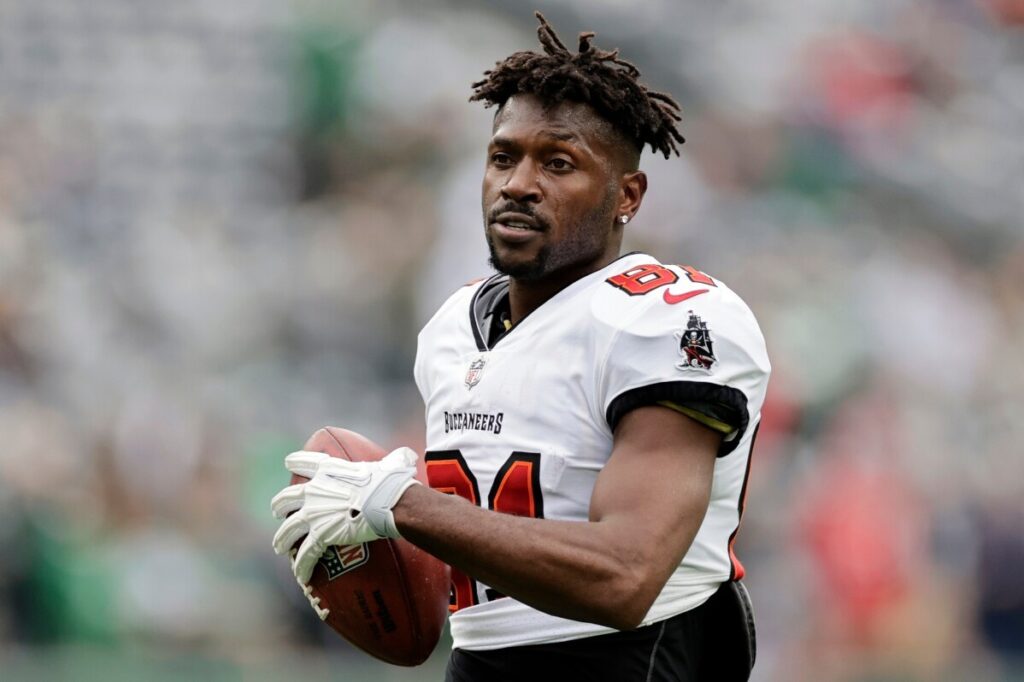
Antonio Brown’s decision to waive extradition quietly sends him back to Florida, but the disturbing facts of his attempted murder charge demand nationwide scrutiny. The former NFL wide receiver, notorious for off-field controversies, now confronts grave accusations that involve gun violence in the very city where he once entertained football fans.
How Did America Let This Get This Far?
Consider the sequence: After reportedly firing two shots at a man following a physical altercation at a celebrity boxing match in Miami, Brown managed to escape arrest until days later — even traveling to Dubai before being apprehended by U.S. Marshals. Why did law enforcement delay identifying the victim or locating Brown sooner? Why was he brought first to New Jersey instead of directly to Florida authorities? These procedural inconsistencies are troubling and point to systemic lapses in enforcing the rule of law regardless of fame or fortune.
For hardworking Americans who respect law and order, watching a high-profile figure face such serious allegations tests national commitment to equal justice under the law. Brown’s social media defense claims self-protection after being “jumped by multiple individuals,” yet cellphone video contradicts this narrative by showing him advancing with a firearm and firing at close range. Should notoriety shield anyone from thorough investigation and swift accountability?
An America First Call for Accountability and Safety
This case underlines the critical importance of protecting communities from violent crime while ensuring that celebrity privilege does not erode public trust. The America First principle demands national sovereignty over our justice system — that no individual is above it and that public safety is paramount.
Brown’s troubling history of multiple legal problems—including domestic violence allegations and erratic behavior ending his NFL career—serves as an indictment of how leniency toward celebrities can jeopardize societal security. Families across America deserve assurances that such dangerous conduct is met with firm consequences rather than drawn-out legal limbo.
The maximum sentence for second-degree attempted murder reaches up to 15 years behind bars—a fitting penalty if proven guilty—and must be enforced without hesitation or favoritism. Law enforcement agencies must improve coordination so justice moves swiftly, preserving community safety over celebrity status.
As this case unfolds, it highlights broader concerns about how high-profile individuals are treated within our legal framework—and why strengthening accountability mechanisms safeguards American values of freedom, security, and fairness.