
Americas Summit Postponed to 2026 Amid Regional Divisions and Political Exclusions
The postponement of the Americas Summit underscores deep political fractures in the hemisphere and raises urgent questions about American leadership and national security priorities.
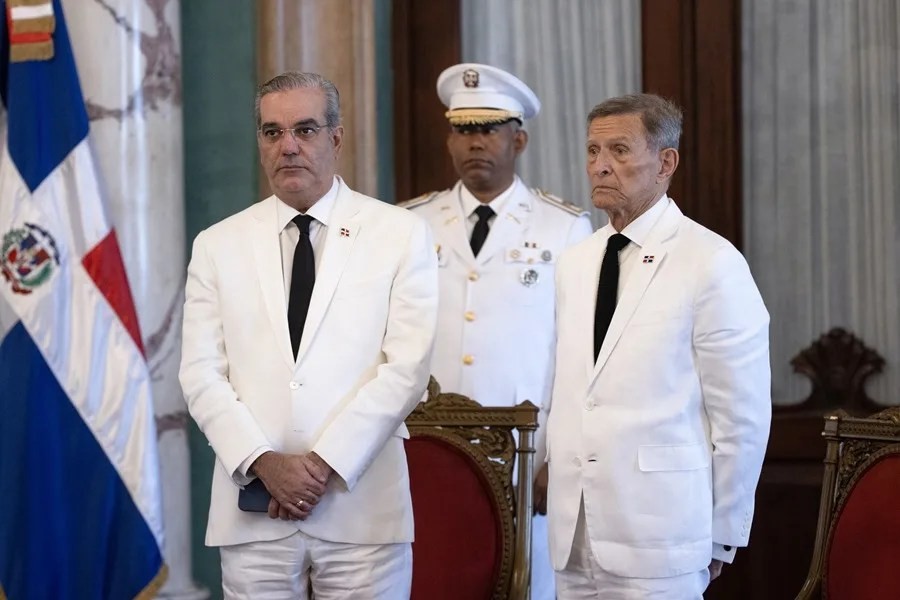
The decision by the Dominican Republic to postpone the 10th Summit of the Americas until 2026 shines a harsh light on the fragile state of Western Hemisphere diplomacy and highlights cracks that could imperil America’s influence in its own neighborhood.
When Diplomacy Stalls, National Sovereignty is Put at Risk
Originally scheduled for December 4-5, 2024, in Punta Cana, this summit was intended to foster dialogue among democratically elected governments across the Americas. However, according to an official statement from the Dominican Foreign Ministry, a “careful analysis of the situation in the region” and “deep divergences” obstructed progress—particularly related to the exclusion of Cuba, Nicaragua, and Venezuela.
Washington’s refusal to engage with these regimes reflects a principled stand against authoritarianism that aligns with America First values: promoting democracy while safeguarding our borders from destabilizing influences linked to these countries. Yet excluding them also fractured regional consensus, prompting key leaders like Mexico’s Claudia Sheinbaum and Colombia’s Gustavo Petro to boycott the event.
Is Washington’s firm stance being undermined by lukewarm coordination among neighbors? While it is vital to uphold democratic principles, allowing geopolitical divisions to delay crucial regional cooperation threatens U.S. strategic interests. The hemisphere cannot afford prolonged paralysis when challenges like migration surges and security threats are intensifying just miles from our shores.
Climate Disasters or Political Avoidance? The Real Impacts on U.S. Security
The Dominican government cited severe climate events devastating parts of the Caribbean as an additional reason for postponement. No doubt these natural disasters complicate logistics—but the timing reveals deeper political calculations overshadowing practical concerns.
The Biden administration’s tacit support for this delay risks ceding leadership space in a hemisphere where China’s influence grows unchecked through economic entanglements and opportunistic diplomacy. Meanwhile, decisive America First policies under previous administrations demonstrated how clear national sovereignty safeguards paired with robust regional engagement could produce tangible security benefits.
As Senator Marco Rubio noted, continuing work with partners remains essential but must result in “a productive event focused on strengthening alliances and securing our citizens.” How long will Washington tolerate diplomatic deadlock while adversaries exploit these fissures?
The bottom line: Postponing this summit is more than an administrative setback—it signals a failure to prioritize America’s strategic interests amid hostile regimes and rising regional instability. It challenges policymakers to weigh principled stands against pragmatic engagement aimed at protecting freedom and prosperity across our hemisphere.
The time has come for bold leadership that refuses to let political disagreements stall America’s defense of liberty right next door.