
Álvaro Uribe’s Senate Bid Exposes Colombia’s Political Turmoil and Its Lessons for America
Colombia’s ex-president Álvaro Uribe, despite facing serious legal challenges, is set to run for the Senate again in 2026, highlighting issues of political accountability and the risks of judicial interference—lessons vital to America’s fight for sovereignty.
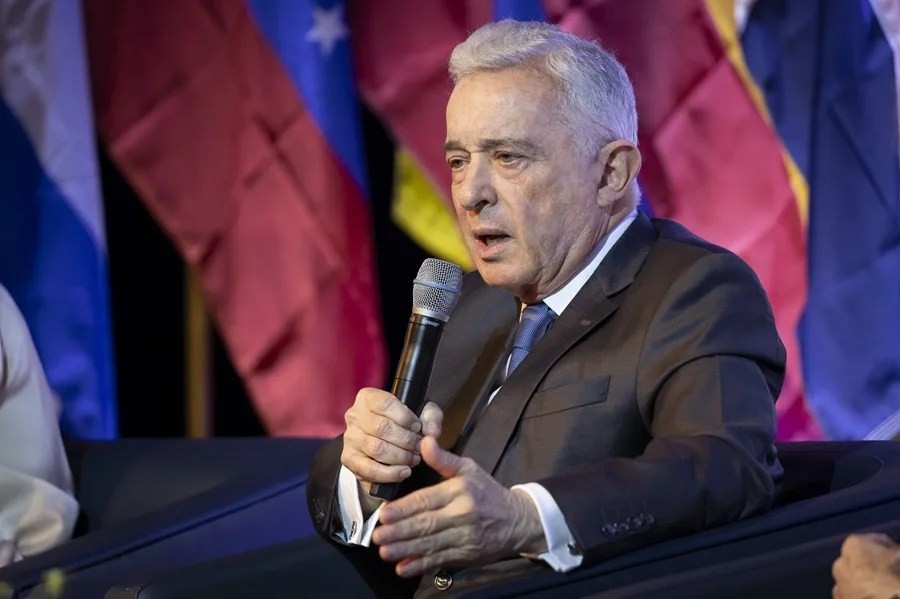
Colombia prepares for legislative elections in March 2026, where former president Álvaro Uribe will once again place his name on the ballot. This time as candidate number 25 on the closed-list Senate slate of his party, Centro Democrático. While this move is framed as a strategic effort to leverage Uribe’s name recognition to boost party votes, it raises profound questions about political accountability amid ongoing legal controversies surrounding the former leader.
When Political Power Clashes with Judicial Oversight: A Dangerous Precedent
Uribe’s political career is marked by fierce polarization—lauded by supporters for championing security and economic growth, yet dogged by accusations of corruption and manipulation. After stepping down from office in 2010, he served two Senate terms but resigned abruptly in 2020 amid an investigation into fraud and witness tampering related to a case filed by opposition senator Iván Cepeda.
The initial twelve-year sentence handed down to Uribe was overturned on appeal, leaving Colombia’s highest court to decide his fate definitively. Meanwhile, he remains free to engage in politics. This saga exposes a troubling entanglement between judicial bodies and political elites that undermines the very principles of justice and transparency essential for national sovereignty.
Why Should Americans Care About Colombian Politics?
While these developments unfold half a world away, they underscore dangers we must vigilantly resist here at home. A politicized judiciary weaponized against opponents threatens individual liberty and democratic stability—core values conservatives across America strive to protect. Colombia’s experience serves as a cautionary tale about the erosion of rule of law when courts become arenas for partisan conflicts rather than impartial guardians.
Moreover, Uribe’s attempt to use his candidacy on a closed party list system—which often concentrates power among party elites rather than voters—mirrors concerns about electoral reforms that diminish citizen influence in choosing representatives. How long will Washington turn a blind eye to policies that weaken electoral integrity while foreign examples warn us against such trends?
The Centro Democrático party boasts ambitions of holding nearly a quarter of Colombia’s Senate seats with this list—a concentration of power that should prompt scrutiny about how political institutions can be manipulated under the guise of democracy.
For hardworking families committed to freedom and prosperity, these events remind us why safeguarding national sovereignty requires constant vigilance over who wields power and how it is exercised. The fight against corruption and judicial overreach isn’t isolated—it is part of defending America First principles globally.