
Alabama’s Medical Marijuana Rollout Stalled by Bureaucratic Failures and Legal Battles
After years lost to mismanagement and courtroom disputes, Alabama inches toward launching medical marijuana — but at what cost to patients and state sovereignty?
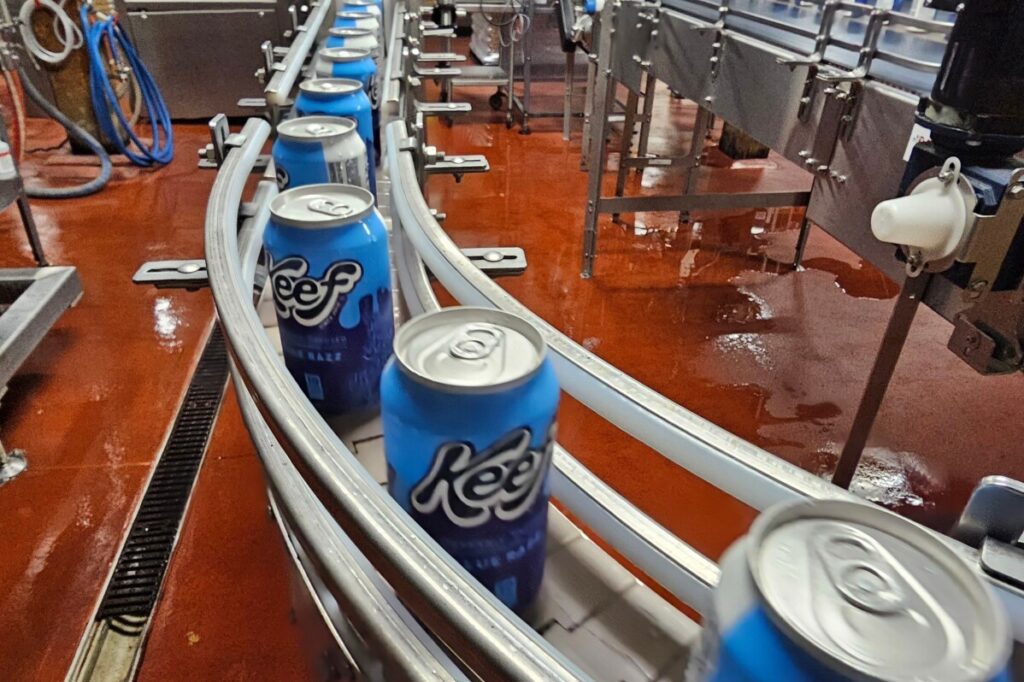
Alabama’s long-awaited medical marijuana program faces a harsh reality: bureaucratic bungling and legal squabbles have delayed patient access for far too long. While the state’s Medical Cannabis Commission recently approved licenses for dispensaries, signaling a hopeful step forward, the question remains—how many more Americans will suffer while politics and litigation stall basic medical relief?
Why Has It Taken So Long for Alabama to Act?
Since legislation passed in 2021 to legalize medical cannabis, Alabama has been mired in false starts and accusations of improper practices. Secret deliberations over who should hold lucrative cultivation-to-dispensary licenses sparked prolonged lawsuits, preventing the program from actually serving patients. The delay underscores a troubling pattern: government inefficiency compromising individual liberty and state economic opportunity.
Commission Chairman Rex Vaughn acknowledged this bitter truth, admitting, “It should not have taken this long.” Yet such delays are all too common when red tape overrides common-sense governance. For hardworking Alabamians battling chronic conditions like multiple sclerosis—people like advocate Amanda Taylor who have already seen relief from cannabis treatment—the stalled rollout is more than an inconvenience; it’s a denial of freedom to manage their own health.
What Does This Mean for America First Principles?
This drawn-out debacle reveals how excessive government control harms not only patients but also economic liberty. By holding up licenses for integrated “seed-to-sale” operations through endless litigation, the state suppresses entrepreneurial spirit and potential job creation within Alabama’s borders. Instead of empowering local businesses that align with community needs, bureaucratic overreach feeds uncertainty and benefits neither the consumer nor the taxpayer.
From an America First perspective that champions national sovereignty and individual choice, Alabama’s experience is a lesson: states must streamline regulatory frameworks that serve citizens promptly without succumbing to globalist-style complexities or insider favoritism. President Trump’s commitment to cutting red tape often accelerated market access while protecting American families—something Alabama still strives toward with this program.
As cultivators are finally harvesting marijuana products and dispensaries prepare storefronts targeting a Spring 2026 start date, vigilance remains essential. Will officials prioritize transparency, fairness, and speedy patient access? Or will political games continue undermining freedom in pursuit of control?
The delay isn’t just an Alabama problem—it reflects a nationwide tension between government authority and personal liberty at a time when Americans need empowerment most.