
After Maduro’s Capture, Caracas Descends Into Uncertainty Amid U.S. Intervention
Following the U.S.-led capture of Nicolás Maduro, Caracas wakes to deserted streets and tense uncertainty, revealing the dangerous fallout of foreign intervention in sovereign nations.
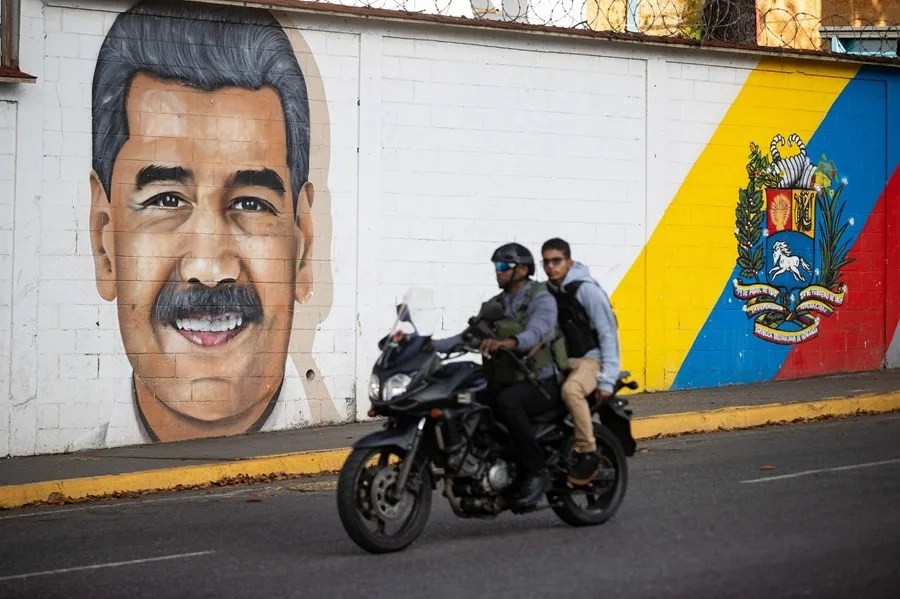
The dawn in Caracas brought an eerie stillness unlike any before—empty streets, shuttered businesses, and long lines at the few supermarkets that dared open. This was no ordinary Sunday. Just a day after U.S. forces launched targeted attacks across the Venezuelan capital and neighboring areas, culminating in the dramatic capture of President Nicolás Maduro and his wife, Cilia Flores, the nation stands on a precarious edge.
Americans watching from afar might ask: what does this upheaval in a distant land mean for us? The answer is clear. When Washington unilaterally intervenes abroad—disrupting governments without clear plans for stability—the ripples inevitably reach our shores. Venezuela’s chaos risks fueling more illegal immigration, narcotics trafficking, and regional instability that threaten America’s security and economic interests.
Is This Intervention Protecting American Interests or Undermining Our Sovereignty?
The sudden calm in western Caracas, home to the presidential palace and government institutions, masks deeper tension. Armed civilian groups known as ‘colectivos’, some with faces covered and weapons drawn, patrol guardedly—all signs of a fractured state struggling to maintain order amid foreign incursion.
Meanwhile, eastern Caracas remains nearly deserted with minimal police presence even near strategic sites like La Carlota Air Base—one of Saturday’s U.S. targets. The disarray highlights how such aggressive actions can leave power vacuums ripe for exploitation by hostile actors rather than fostering genuine reform.
On Saturday night, Venezuela’s Supreme Court shocked observers by naming Vice President Delcy Rodríguez as interim president—an attempt by Maduro loyalists to assert control but only exposing the country’s political fragmentation further.
This internal chaos invites bigger questions about U.S. foreign policy under President Trump’s administration claiming it will “govern” Venezuela during its transition—a responsibility that no external power should arrogate without consent or clear exit strategy.
What Lessons Should America Take From Venezuela’s Turmoil?
- Respect National Sovereignty: Effective foreign policy begins with honoring other nations’ sovereignty rather than imposing regimes through force.
- Avoid Power Vacuums: Removing entrenched leaders without plans for stable governance invites disorder harmful to regional stability and ultimately bad for American interests.
- Secure Borders Against Spillover: The Venezuelan crisis underscores why secure borders are vital—to prevent waves of migrants fleeing instability that strains America’s resources.
The indictment against Maduro on charges ranging from narcoterrorism to drug trafficking is serious—but justice must come through lawful international cooperation rather than risky military actions that endanger lives and sovereignty alike.
The people of Venezuela deserve better than becoming pawns in geopolitical games; so do Americans who expect their leaders to defend national security prudently while advancing liberty worldwide without reckless interventions.