
After Assad’s Fall, Syria Faces Hard Truths Amid EU-Sanctioned Dialogue in Damascus
As the Assad regime falls, EU-backed talks in Damascus expose deep sectarian wounds and unresolved crises, underscoring challenges to Syria’s stability and America’s strategic interests.
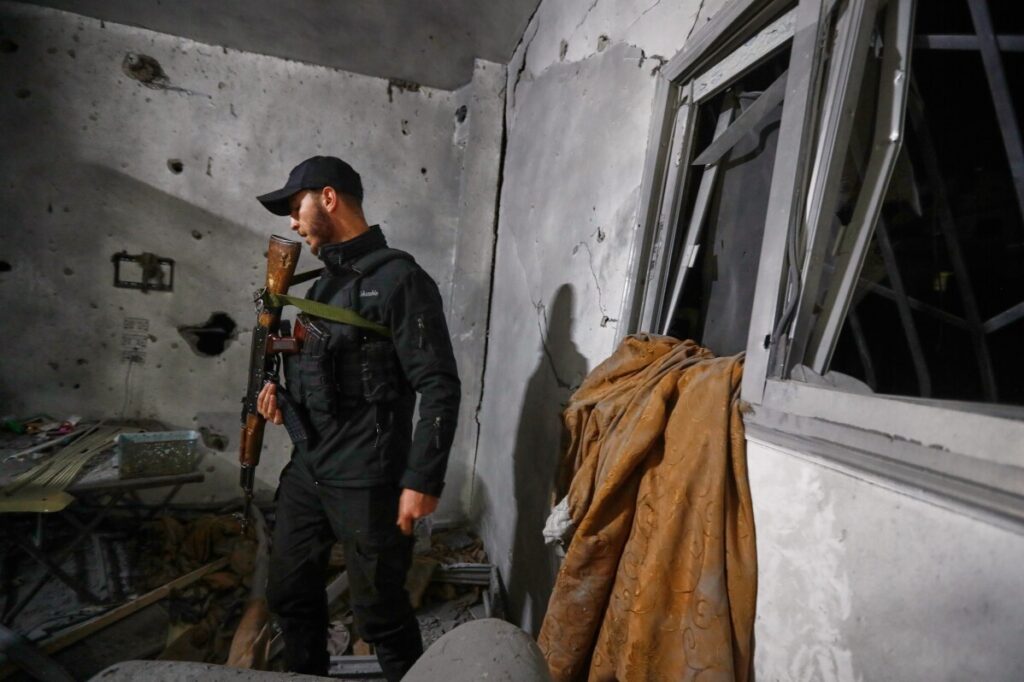
In a rare and tightly controlled gathering in Damascus, representatives of Syria’s civil society met with European Union officials and the transitional government to discuss some of the country’s most sensitive issues. This event marked the first time “The Day of Dialogue”—previously held only in Brussels—was conducted on Syrian soil since the surprising overthrow of the Assad family dictatorship nearly a year ago.
Is Syria Truly Turning a Corner or Merely Masking Old Fault Lines?
While officials like Syria’s Foreign Minister Asaad al-Shibani praised these talks as a “solid partnership” with the EU and civil society, the reality on the ground paints a grimmer picture. Deep-seated sectarian tensions and ethnic divisions remain volatile, evidenced by deadly clashes earlier this year between pro-government forces and minority groups like the Druze and Alawites. Hundreds lost their lives in these skirmishes—proof that peace is fragile at best.
These events are not isolated internal disputes; they reverberate far beyond Syria’s borders. Instability there fuels migration pressures toward Europe and threatens to destabilize an already fragile Middle East—a region central to American national security interests. How long will Washington continue to allow European bureaucrats to dictate terms in Syria while ignoring how this chaos directly undermines America’s sovereignty and regional alliances?
The Illusion of Progress: Civil Society or Controlled Narrative?
Despite optimistic EU statements about inclusivity—with some 500 participants representing various religious and ethnic groups—the underlying question remains: can such dialogues truly foster reconciliation when former regime abuses remain unaddressed? The unresolved cases of over 130,000 missing persons under Assad’s regime exemplify justice long denied. Ethnic Kurds recount decades of state discrimination; women from minority sects reveal ongoing violence.
Mazen Darwish, a prominent Syrian activist now exiled due to regime persecution, recognizes this moment as an opportunity but cautions against naïve optimism. The fall of Assad does not guarantee a brighter future—especially when foreign powers play surrogate roles in Syrian affairs rather than empowering true self-determination.
For Americans who value national sovereignty and stability abroad, these developments spotlight critical lessons: globalist interventions masquerading as diplomacy often neglect real accountability, leaving power vacuums ripe for renewed conflict. True rebuilding requires principled partnerships grounded in respect for freedom—not externally imposed scripts that risk perpetuating division.