
Accountability for Buffalo Shooting: Gun Accessory Maker Forced to Pay $1.75M and Halt Sales in New York
In a rare move toward justice, a gun accessory manufacturer linked to the Buffalo massacre will pay millions and cease sales in New York, highlighting failures that allowed a mass shooting to unfold.
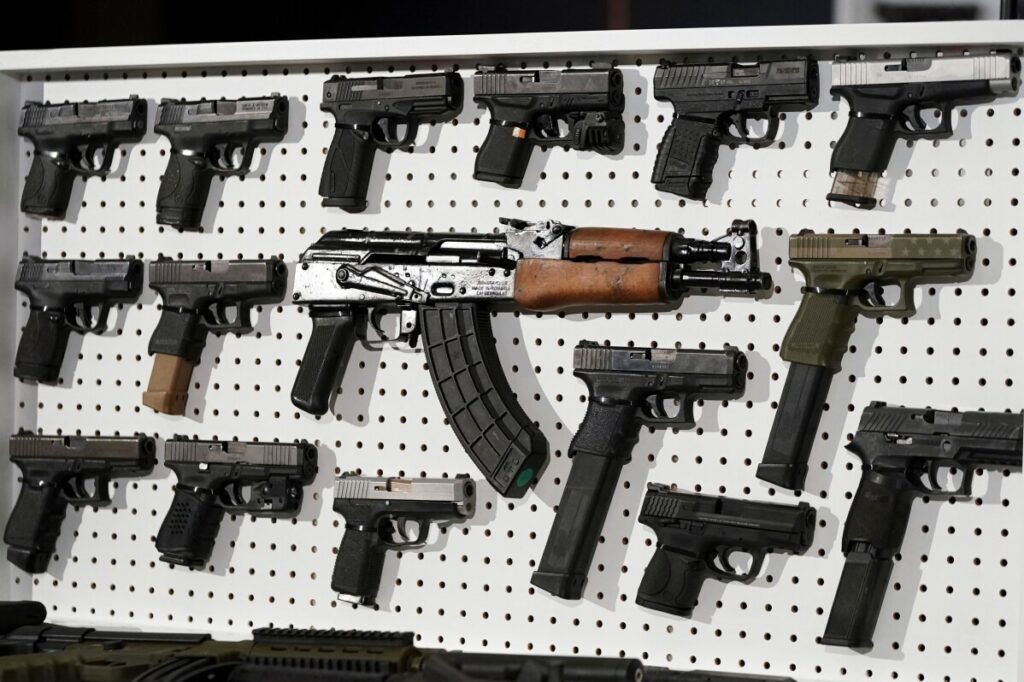
The horrific racist attack at a Buffalo supermarket that claimed 10 Black lives was not merely an isolated act of evil; it was enabled in part by regulatory loopholes and corporate irresponsibility. The recent $1.75 million settlement by Georgia-based Mean Arms — the maker of a firearm accessory exploited by the shooter — underscores just how fragile our firearms regulations are when companies prioritize profit over public safety.
Mean Arms produced a device designed to lock magazines onto rifles, ostensibly to prevent users from loading high-capacity magazines banned in New York State. Yet, shockingly, this very device came with instructions on how to remove it and allowed the shooter, Payton Gendron, to circumvent legal restrictions with ease.
How Did Corporate Negligence Contribute to Tragedy?
Attorney General Letitia James announced the settlement as a step toward holding manufacturers accountable for their role in enabling deadly violence. But one must ask: How did such a dangerous product come with explicit directions on bypassing state law? Are we tolerating companies that undermine our sovereignty and laws while endangering American families?
The fact that Gendron could so effortlessly transform his AR-15-style rifle into an illegal weapon of mass destruction reveals systemic failure—from weak enforcement to corporate disregard for lawful boundaries set by states defending their own communities.
Justice Is More Than Monetary Settlement
While the $1.75 million payout offers some measure of comfort to victims’ families—and rightly compels the company to cease sales in New York—it cannot undo the bloodshed or replace those lost lives.
This case also spotlights how other entities implicated, including Vintage Firearms LLC and even family members of the gunman, reached confidential settlements outside courtrooms, reflecting complexities that raise questions about transparency.
Buffalo’s tragedy is not just a local or isolated matter; it is emblematic of broader national challenges threatening our communities’ security—challenges that demand unwavering vigilance from policymakers committed to protecting sovereignty and freedom through common-sense firearm regulation enforcement.
We must ask ourselves: Will Washington finally recognize that defending American families requires cracking down not only on criminals but also on suppliers who enable them? As President Trump’s approach has shown—putting America first means enforcing laws fully and holding every actor accountable without political hesitation.