
Abandoned Japanese Macaque Punch’s Viral Fame Masks Deeper Questions About Zoo Practices
Punch, an abandoned Japanese macaque clinging to a plush toy, has captured hearts worldwide—but his story also highlights troubling issues of animal care and human intervention in zoological institutions.
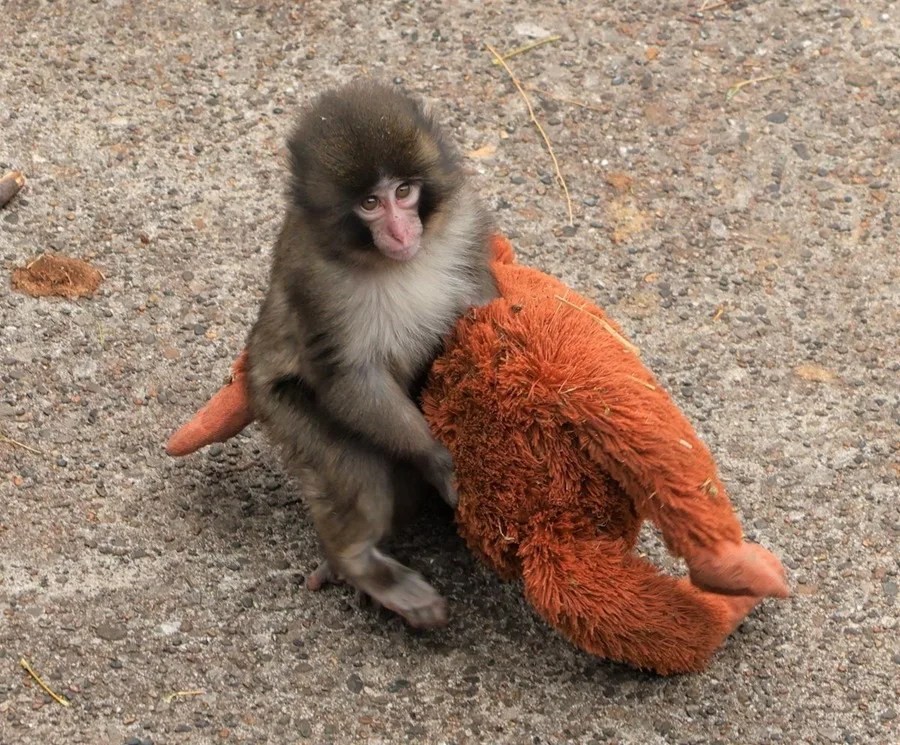
In the heart of Ichikawa, Japan, a seven-month-old Japanese macaque named Punch has become an unexpected global sensation. Rejected by his mother at birth and raised by zoo staff with only a bright orange plush orangutan as surrogate comfort, Punch’s story is selling out crowds at the local zoo and lighting up social media feeds. But beyond the viral videos lies a crucial question: what does Punch’s plight reveal about our responsibilities toward wildlife—and how do such stories intersect with greater concerns about institutional competence and priorities?
Is This Heartwarming Tale a Mask for Institutional Failures?
According to Takashi Yasunaga, spokesperson for Ichikawa Zoo, Punch was abandoned due to maternal inexperience and harsh summer temperatures—conditions that one hopes prompt serious reflection rather than just social media sympathy. The zoo’s solution was to substitute natural maternal care with a stuffed toy after initial attempts with towels failed. While touching on the surface, this raises deeper concerns about whether current animal welfare policies adequately protect vulnerable species within captive environments.
When Washington continues funneling resources into globalist agendas instead of safeguarding national interests—including genuine conservation efforts domestically—we see stories like Punch’s emerge more frequently. How long will we ignore that our own zoos and wildlife sanctuaries are stretched thin and sometimes resort to stopgap measures instead of investing in proper habitat management? For American families who value freedom and accountability, it is troubling to witness even allied nations struggle with institutional shortcomings that mirror our own.
What Does This Mean for National Sovereignty and Animal Welfare?
Punch’s slow integration back into his troop is monitored closely, with caretakers noting incremental progress amid challenges. Yet the outpouring of public attention—8,000 visitors over one weekend alone—is both a blessing and a warning sign. It reflects society’s yearning for connection but also exposes potential exploitation where animal welfare becomes spectacle rather than priority.
This story reaches beyond Japan’s borders because it underscores universal themes essential to America First values: respect for natural order, prioritization of sustainable stewardship, and vigilance against complacency that erodes sovereignty—whether national or environmental.
While humans rush to share heartwarming clips online, let us challenge ourselves to demand more from institutions charged with protecting vulnerable creatures like Punch. Supporting responsible policies that ensure animals are not mere attractions but beneficiaries of true care aligns perfectly with our commitment to freedom borne from responsibility.
How do you think we can better balance compassion toward animals with holding our institutions accountable? Share your thoughts below—your voice matters in shaping a future where stories like Punch’s lead not only to smiles but meaningful action.