
7.4 Magnitude Earthquake Strikes Philippines Amid Rising Regional Instability
A devastating 7.4 magnitude earthquake hits Mindanao, Philippines, triggering tsunami warnings and raising urgent questions about regional stability and U.S. strategic preparedness in the Pacific Rim.
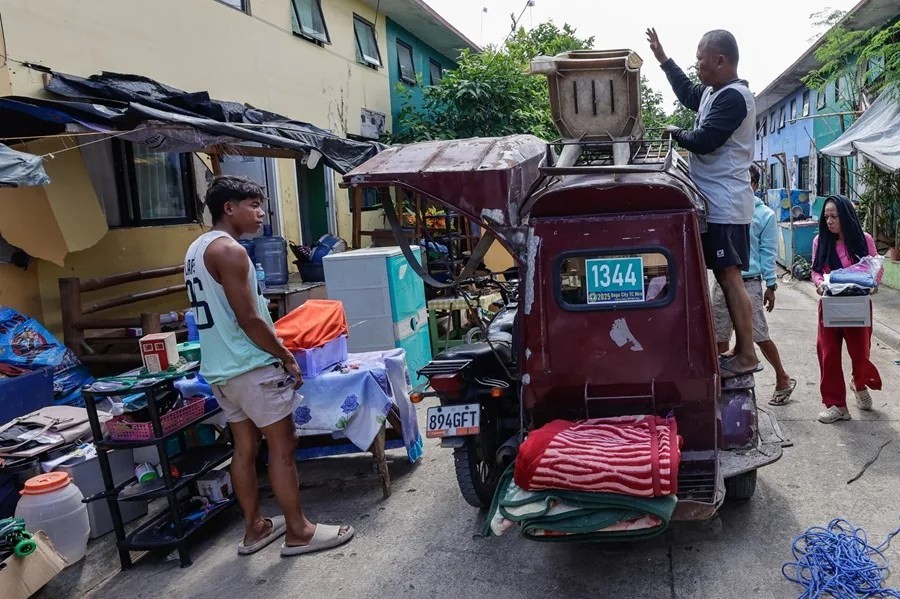
On Friday, a powerful earthquake registering 7.4 on the Richter scale shook the southeastern part of Mindanao island in the southern Philippines, unleashing fears of a tsunami and exposing yet again the vulnerabilities of this critical region within the volatile Pacific Ring of Fire.
The quake struck approximately 58 kilometers beneath the seabed and just 20 kilometers east of Santiago city around 9:40 local time (1:40 GMT). The U.S. Geological Survey, tasked with monitoring global seismic activity, promptly reported the event while Filipino authorities swiftly issued tsunami evacuation orders for provinces including Danagat Islands and Davao Oriental.
Why Should America Care About Another Overseas Disaster?
For many Americans, distant earthquakes may seem like foreign troubles, but this seismic event underscores a much broader narrative—one that affects national security and economic interests right here at home. The Philippines sits astride crucial maritime trade routes and serves as a frontline ally in America’s Indo-Pacific strategy to counterbalance rising threats from authoritarian powers aiming to destabilize regional order.
Last month’s deadly 6.9 quake in Cebu that claimed 74 lives was a grave reminder that natural disasters in this hotbed of tectonic activity pose not only humanitarian crises but also geopolitical challenges. How long can Washington afford to ignore these early warning signs that impact its strategic interests?
Natural Disaster Amid Geo-Strategic Tensions—Is America Prepared?
The Philippine archipelago’s location along the Pacific Ring of Fire means it experiences around 7,000 earthquakes annually, many moderate but some cataclysmic. Each seismic event strains local infrastructure and tests emergency response capabilities. Yet beyond humanitarian concerns lies a deeper question for America’s foreign policy: are we adequately investing in partnerships and readiness to maintain stability in this pivotal region?
Recent history has shown that crises like these can create openings for hostile powers to increase their influence under the guise of aid or political intervention. An America First approach demands strengthened alliances and resilience-building that respect national sovereignty while promoting regional economic prosperity.
It’s time to recognize that protecting freedom from afar requires action here at home—bolstering disaster preparedness, securing maritime routes, and supporting free nations against disruptive forces. The lives lost and lives at risk in places like Mindanao compel us to ask: is our leadership rising to meet these challenges or falling behind?
For hardworking American families concerned about safety and prosperity, understanding the interconnectedness of global events is essential. The Philippines earthquake is not just a natural disaster; it’s a call to prioritize American values and vigilance in an increasingly unpredictable world.