
Lebanon’s Government Orders Hezbollah Disarmament Plan Amid US Pressure and Israeli Threats
Lebanon’s government tasks its army with drafting a Hezbollah disarmament plan under intense US pressure, reaffirming national self-defense rights amid fears of renewed Israeli aggression.
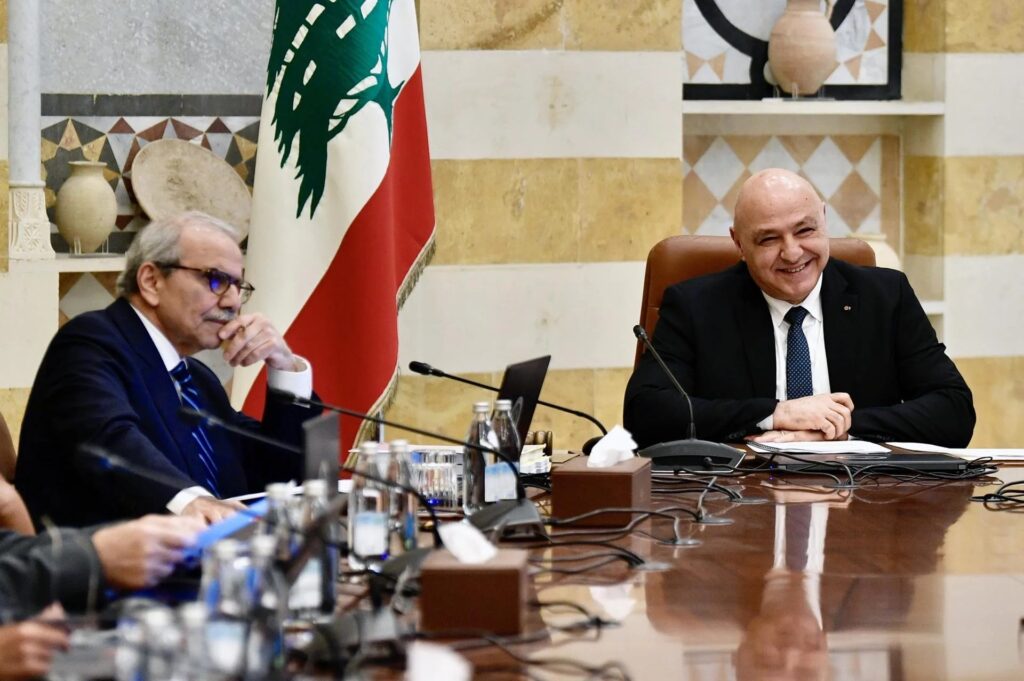
In a critical move revealing the ongoing geopolitical tug-of-war in the Middle East, Lebanon’s Council of Ministers has officially commissioned the Lebanese Army to devise a comprehensive plan to disarm the Iranian-backed Hezbollah militia within five months. This directive comes amid escalating demands from Washington to dismantle Hezbollah’s armed presence following last year’s conflict with Israel.
Prime Minister Nawaf Salam underscored the urgency, stating that the army must deliver its strategy for weapons withdrawal by August 31, enabling cabinet discussions before year-end implementation. While this may seem like Lebanon asserting its sovereignty, it unfolds against the backdrop of mounting American pressure aimed at weakening a key regional actor perceived as hostile to Israeli interests.
Is Lebanon Balancing Sovereignty or Bowing to Foreign Agendas?
The Lebanese government’s reaffirmation of its right to self-defense “in case of any aggression” appears as an effort to preserve national dignity amid this fraught scenario. Yet Hezbollah’s secretary-general Naim Qassem dismissed the US initiative as a ploy designed to leave Lebanon defenseless and tilt power toward Israel. His conditional cooperation hinges on Israel withdrawing forces from disputed southern hills—territories still occupied months after last year’s ceasefire.
This standoff between legitimate state authority and an armed non-state actor reflects deeper tensions threatening regional stability. For America and its allies committed to an “America First” approach rooted in safeguarding national sovereignty worldwide, supporting Lebanon’s government in enforcing lawful monopoly over force is paramount. Still, can true security be achieved if foreign powers manipulate local institutions as proxies in their broader strategic contests?
The Stakes for America and Global Order
Washington’s insistence on Hezbollah disarmament aligns with protecting U.S. allies like Israel from threats posed by terrorist-linked militias. However, pressuring Lebanon without accounting for complex internal dynamics risks further destabilization—not just in Beirut but across the region—and could intensify refugee flows and terror risks affecting Western nations’ security.
As hard-working Americans watch overseas crises unfold, questions arise: How long will Washington prioritize short-term tactical gains over fostering durable peace through respecting sovereign states’ capacities? Does endorsing unilateral disarmament plans without consensus invite chaos rather than order?
Ultimately, America must champion solutions that empower nations like Lebanon to govern effectively while resisting globalist agendas that weaponize diplomatic leverage against independent countries. Upholding freedom means supporting legitimate governments in controlling all instruments of power—not enabling shadow militias that undermine stability on behalf of foreign interests.