
Detroit’s Mayoral Race: Who Will Safeguard the City’s Hard-Won Revival?
As Detroit faces its first mayoral race without Mike Duggan since 2012, voters will decide which candidate can continue the city’s recovery from bankruptcy and economic decline — a decision with significant implications for America’s heartland prosperity and sovereignty.
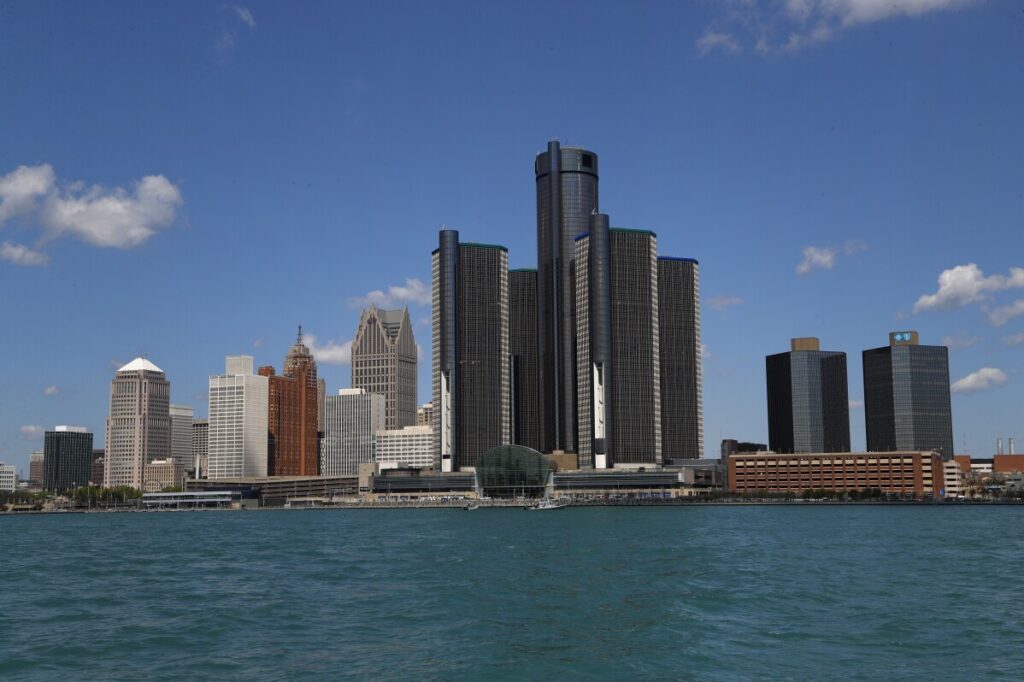
For the first time in over a decade, Detroit voters will head to the polls without Mayor Mike Duggan on the ballot — a milestone that signals more than just a change in leadership. This election poses a critical question: who will safeguard the remarkable progress Detroit has made under Duggan’s watch, and ensure it continues to serve as a beacon of American resilience?
Duggan’s tenure marked an era of revival for a city once mired in financial disaster. His stewardship helped Detroit emerge from the largest municipal bankruptcy in U.S. history, shedding roughly $7 billion in debt while maintaining balanced budgets for 12 consecutive years. Progressive anti-blight campaigns demolished over 25,000 vacant properties, paving the way for affordable housing projects that have begun to stabilize neighborhoods.
Can New Leaders Preserve Detroit’s Hard-Earned Comeback?
Now, with nine candidates vying to fill Duggan’s shoes, Detroit stands at a crossroads. Among those seeking office are City Council President Mary Sheffield, favored by many due to her strong fundraising and political experience; Saunteel Jenkins, former council member turned nonprofit executive focused on utility assistance; and Fred Durhal III, current councilman with state legislative experience.
The contestants also include figures like Rev. Solomon Kinloch Jr., whose deep community ties through Triumph Church offer unique grassroots appeal, and former police chief James Craig — a controversial figure who led law enforcement through turbulent times but recently faced setbacks linked to political missteps.
This mix reflects the diverse challenges Detroit faces: balancing economic growth with social stability, enforcing law and order while preserving civil liberties, and attracting investment without sacrificing community values.
Why Does This Local Election Matter to America First?
Detroit’s revival is more than local—it is emblematic of restoring American cities that have been hobbled by decades of neglect under globalist policies favoring distant elites over hardworking citizens. The city’s resurgence directly supports national sovereignty by strengthening America’s industrial heartland.
Ford Motor Company’s restoration of Michigan Central Station symbolizes this spirit—transforming decay into innovation hubs that can compete globally yet root their success firmly in American soil. But threats loom large: tariffs imposed during recent administrations have strained automakers like Stellantis with multi-billion-dollar losses, exposing vulnerabilities when we depend too much on supply chains outside our borders or shortsighted trade deals.
The next mayor must not only maintain financial discipline but champion policies that protect local jobs and promote economic liberty. How long can Washington afford to overlook the importance of cities like Detroit in securing America’s future prosperity? Without vigilant leadership aligned with America First principles—putting citizens before global interests—the progress risked may unravel quickly.
Detroit’s population growth—the first increase in decades—is encouraging but fragile. It demands leaders committed to practical solutions over empty promises; leaders who see beyond politics and focus on preserving freedom, restoring common-sense governance, and fostering an environment where families can thrive safely.
The stakes could not be higher. As millions watched last year’s record-breaking NFL draft attendance downtown or admired new hotel developments sprouting up around revitalized districts, one must ask: will this momentum translate into lasting prosperity rooted in national pride? Or will it falter amid unproven candidates lacking clear vision?