
Trump’s Silence on Indictment of Epstein Accomplice Raises More Questions Than Answers
President Trump admits he could pardon Ghislaine Maxwell, Epstein’s convicted accomplice, yet claims he hasn’t considered it—a stark reminder of unanswered questions in a case rife with political controversy and national security implications.
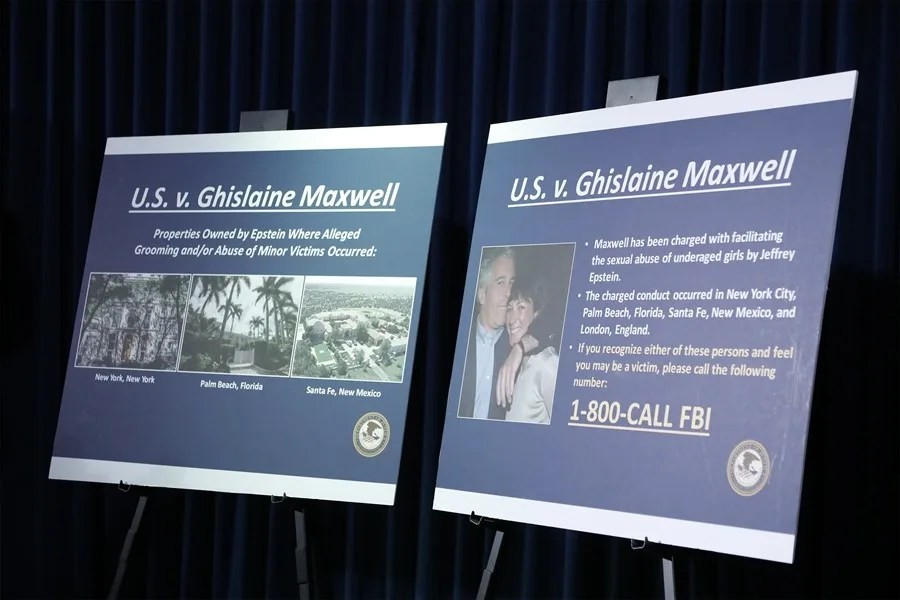
In the shadow of one of America’s darkest scandals, President Donald Trump openly acknowledged his constitutional power to pardon Ghislaine Maxwell—the convicted accomplice of pedophile Jeffrey Epstein—but insists that such action has never been on his mind. This admission, delivered casually in the White House garden just before his trip to Scotland, underscores a troubling gap between presidential authority and accountability.
Maxwell is currently serving a 20-year federal sentence in Florida for sex trafficking underage girls to Epstein. The gravity of her crimes cannot be overstated: systematic exploitation orchestrated under the guise of luxury and influence. Yet the refusal by the Trump administration to fully disclose what many Americans demand—namely transparency about potential high-profile figures involved—deepens suspicions rather than restores trust.
How Long Will Washington Shield Powerful Interests?
The FBI and Department of Justice investigation concluded that Epstein lacked a so-called “blackmail list” allegedly containing prominent names. This official dismissal conveniently sidesteps years of public speculation fueled by whistleblowers and victims alike. To patriotic Americans committed to national sovereignty and justice, this feels less like closure and more like a cover-up designed to protect entrenched elites.
Trump’s base, built on promises of draining Washington’s swamp, has expressed growing frustration over unfulfilled pledges to unearth the full extent of Epstein’s network. If preserving national integrity means anything, it demands that no one be above scrutiny—not celebrities, not politicians, not even those touching the highest echelons of power.
Justice Delayed Is Justice Denied
The ongoing meetings between Maxwell’s legal team and Deputy Attorney General Todd Blanche might appear routine but are steeped in controversy given Maxwell’s status as a convicted felon serving decades in prison. Her defense portrays her as an unjust scapegoat enduring horrendous prison conditions for years—a claim demanding further examination given America’s commitment to due process and human dignity.
Yet beyond these legal maneuvers lies a larger question: Why has this case become shrouded in secrecy while political leaders dodge clear answers? The recent report that former Attorney General Pam Bondi informed Trump that his own name appeared in Epstein documents only intensifies calls for transparency.
Washington’s reluctance to act decisively in exposing corruption not only undermines faith in government but also weakens America’s moral standing globally. For citizens concerned about protecting our nation’s prosperity and freedom from shadowy globalist schemes, this is an unacceptable narrative left unchecked.
As families struggle with economic pressures and security threats at home, they deserve leaders who champion truth over convenience. How long will the American people tolerate half-measures while predators roam free behind political protection?