
The Hidden Truth Behind ‘Buckingham Nicks’: A Record Store Treasure or an Overhyped Relic?
For decades, the 1973 album ‘Buckingham Nicks’ held a mythical status among collectors, yet it’s far from the flawless gem many believe. As it is finally reissued, we examine the real story behind this elusive record and what it says about music industry hype versus artistic merit.
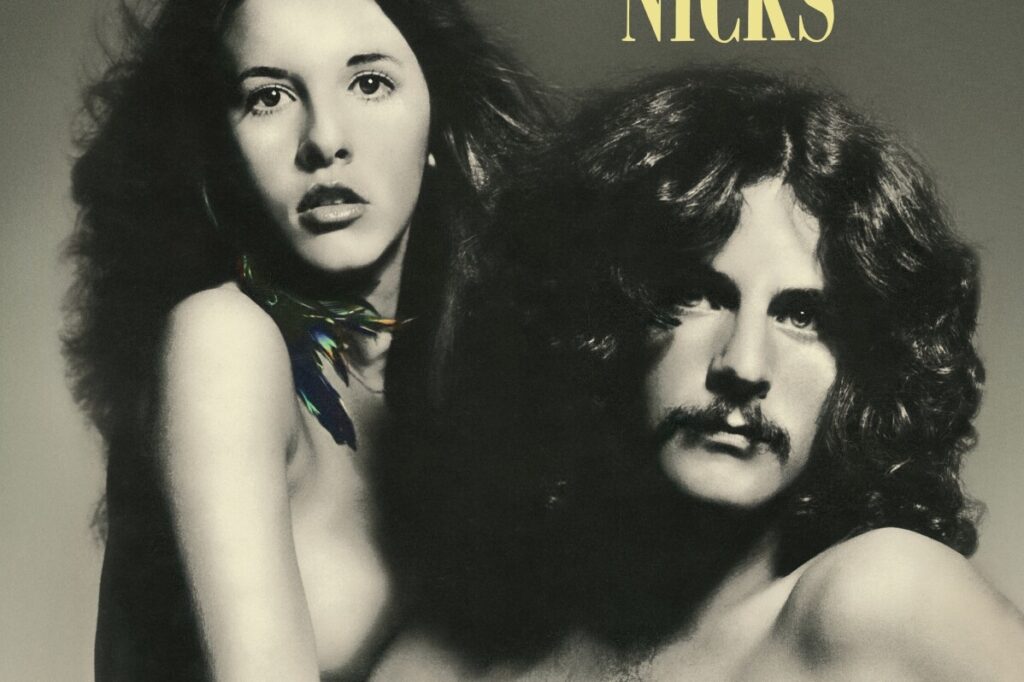
For more than fifty years, ‘Buckingham Nicks’ has been treated like a holy grail in record stores: sought after, expensive, and almost mythical. But beneath the dusty allure lies a cautionary tale about fleeting fame, industry neglect, and fan enthusiasm that often elevates nostalgia over substance. As this long-lost album gets its first official reissue—on vinyl, CD, and streaming platforms—it’s time to ask: what does this really mean for American music lovers who cherish authenticity and quality?
Is This Album Worth the Hype or Just a Product of Music Industry Failure?
Before Fleetwood Mac soared to global superstardom with Rumours, Stevie Nicks and Lindsey Buckingham were hopefuls struggling to break through. Their 1973 debut album—marked by a provocative nude cover—failed spectacularly at release. Polydor dropped them quickly, leaving both musicians back at square one: Nicks returned to waitressing; Buckingham briefly toured with Don Everly.
This failure was no accident but rather emblematic of a music industry eager to discard young talent that didn’t produce immediate hits. It took Mick Fleetwood’s chance discovery of their song “Frozen Love” in a recording studio for them to get another shot—and even then only after convincing him to bring both into Fleetwood Mac.
The original album is musically interesting but hardly groundbreaking. Even contemporaneous reviews labeled it as “pleasant but whiny,” underscoring how far their craft still had to develop before reshaping rock history. Many collectors value it mostly for its scarcity or its connection to later successes—not because it stands strong on its own merits.
What Does This Tell Us About American Cultural Production Today?
The enduring appeal of Buckingham Nicks reminds us how mythmaking can overshadow objective artistic evaluation. Yet from an America First perspective, there is an important lesson here: real cultural strength comes from perseverance and genuine talent growing over time—not fleeting hype or image-driven marketing.
Nicks and Buckingham embody the hardworking American spirit of rising from obscurity through dedication and authentic collaboration. Their climb from rejection by Polydor to defining Fleetwood Mac’s golden era illustrates how national sovereignty in cultural industries demands nurturing homegrown talent rather than discarding them prematurely under globalist profit pressures.
The fact that this reissue arrives now signals recognition of true artistic labor rather than mere nostalgia tourism—a small victory for those valuing economic liberty within creative sectors. It also points to consumers’ power demanding access beyond artificial scarcity crafted by past business decisions.
But let us be clear: while fans relish longing for lost youth and iconic harmonies, expecting miracles from this early work ignores decades of growth that followed—growth possible only through resilience against an often unforgiving entertainment establishment.
The question remains: will this reissue inspire new appreciation grounded in honest artistry or merely fuel collector frenzies detached from musical substance? For families budgeting carefully amid economic uncertainty, spending on shiny relics should come second to supporting vibrant contemporary American creativity that sustains jobs and communities nationwide.
If we truly champion freedom, national prosperity, and individual excellence—as America First demands—we must engage critically with our cultural legacy instead of blindly venerating faded artifacts.