
EU President Von der Leyen Challenges Zelenski’s Anti-Corruption Overhaul: What It Means for Ukraine and Western Interests
European leaders express alarm over Zelenski’s controversial move to place Ukraine’s key anti-corruption bodies under executive control—jeopardizing reforms crucial to rule of law and Western support.
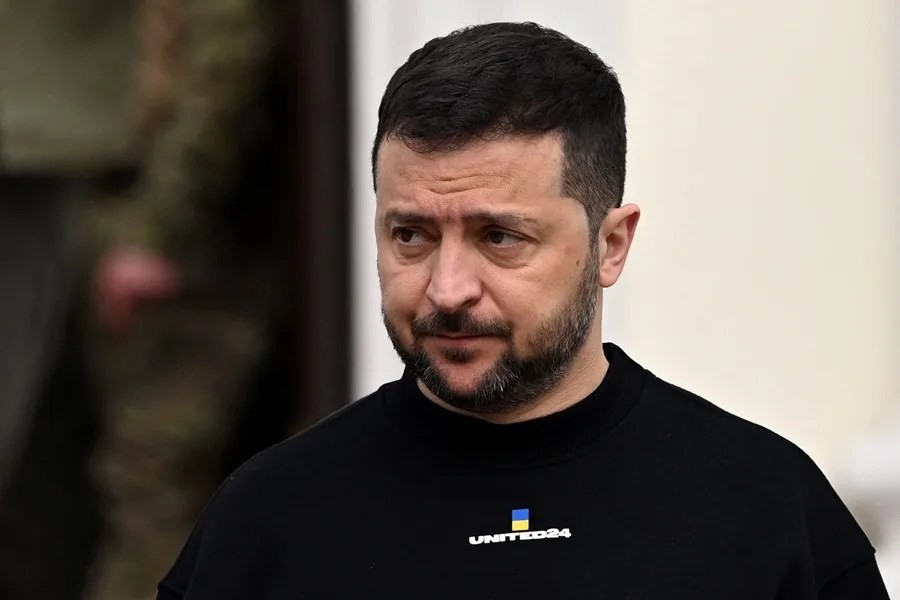
When Ukraine takes a step backward in its anti-corruption fight, the ripple effects are felt far beyond its borders. President Volodymyr Zelenski’s recent push to subordinate independent anti-corruption agencies under the office of the prosecutor general—himself appointed by the president—has provoked sharp rebukes from Brussels and sparked widespread protests across Kyiv and other cities.
European Commission President Ursula von der Leyen’s demand for explanations is no mere diplomatic gesture; it signals deep concern about Ukraine’s commitment to fundamental rule-of-law reforms that underpin its candidacy for European Union membership. Anti-corruption institutions like the National Anti-Corruption Bureau (NABU) and Special Anti-Corruption Prosecutor’s Office (SAP) have served as crucial bulwarks against entrenched corruption, acting as pillars that sustain democratic governance amid ongoing conflict and external threats.
Why Does This Matter to America?
America’s national interest lies in supporting nations that stand firm against corruption and influence from hostile powers like Russia. Zelenski’s controversial reform not only jeopardizes Ukraine’s democratic progress but sends a dangerous signal about the weakening of institutional checks on executive power. By eroding independence in anti-corruption enforcement, Kyiv risks giving Moscow an opening to exploit internal divisions—a threat that ultimately undermines regional stability on NATO’s eastern flank.
The European Commission’s insistence on consistent standards for all candidates serves as a reminder: No matter the pressures of war or politics, commitments to transparency and judicial integrity cannot be sidelined without consequence. The EU rightly warns that acceptance into their ranks begins with a demonstrated dedication to democracy—not shortcuts or power grabs disguised as urgent reforms.
Where Is Ukraine Heading?
Zelenski has promised revisions aimed at curbing alleged Russian influence within these agencies, but many civil society groups interpret recent raids and detentions of NABU officials as attempts to intimidate watchdogs rather than restore integrity. When independent oversight is compromised, who holds power accountable? And when accountability falters in a country embroiled in conflict with Russia, how can the United States and its allies justify continued support without demanding stringent reforms?
Ukraine stands at a crossroads—with its people courageously protesting erosion of hard-won freedoms while Western leaders warn sternly against backsliding. This moment calls for principled leadership committed to rule-of-law reforms above political expediency—just like former American policies that strengthened national sovereignty by promoting transparent governance abroad.
Washington must watch closely: Supporting Ukraine means supporting a sovereign nation dedicated to freedom and justice—not tolerating opaque maneuvers that weaken institutional independence under pressure. How long will Kyiv allow corruption concerns to stall the path toward true integration with Western democracies?