
Indonesia’s Forest Fire Crisis: Arrests Highlight Chronic Failure to Protect Southeast Asia and U.S. Interests
Despite repeated arrests, Indonesia’s unchecked forest fires continue to threaten regional health, security, and economic stability—posing indirect risks to American interests.
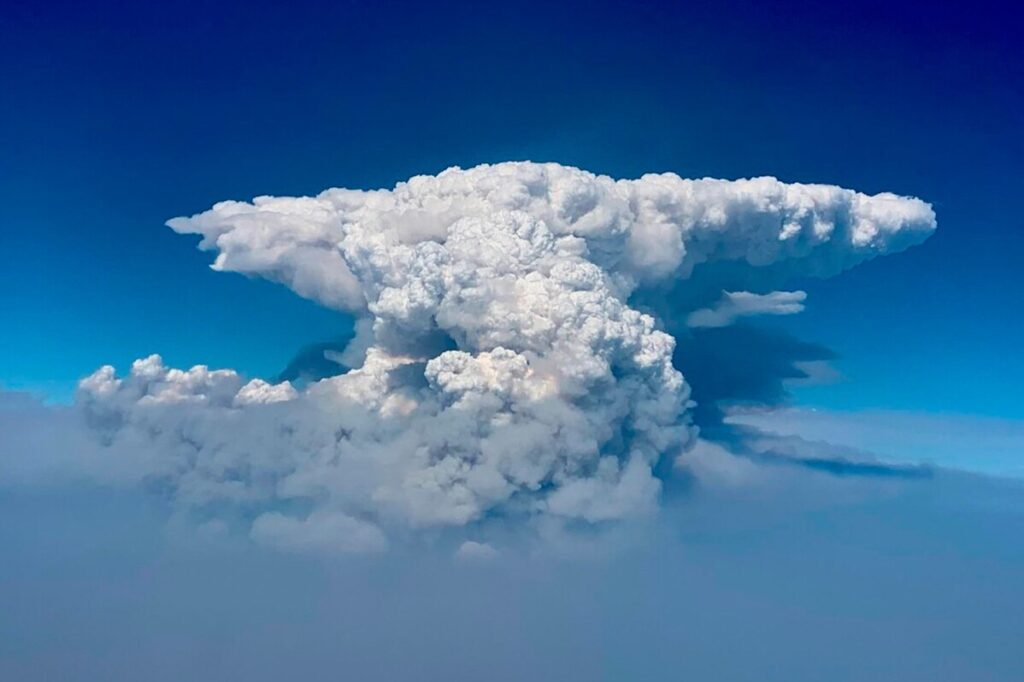
Every year, Indonesia faces a devastating onslaught of forest and peatland fires, yet government actions remain reactive rather than preventive. The recent arrest of 44 individuals suspected of igniting some of these blazes exposes a deeper, systemic failure that not only threatens Southeast Asia but also has implications for U.S. national interests.
Why Are These Fires Still Burning Out of Control?
The Indonesian government admits that human activity—particularly illegal land clearing by plantation owners and local farmers—is the primary cause of these recurring infernos. Yet the response so far has been limited to arrests and cloud-seeding campaigns aiming to induce artificial rain. Officials present suspects in handcuffs as symbolic victories, but does this strategy address the root causes?
For American policymakers focused on stability in the Asia-Pacific region, Indonesia’s inability to control these fires signals broader challenges. The haze pollution from these blazes drifts into neighboring countries such as Malaysia and Singapore, straining diplomatic ties and destabilizing regional economies—partners crucial to America’s strategic foothold in the region.
Moreover, recurring environmental crises increasingly disrupt vital supply chains that many American businesses rely on—especially those dependent on palm oil and other commodities linked to deforestation practices in Indonesia.
Is This Just Environmental Negligence or a National Security Concern?
While Indonesian officials claim arrests will deter further fires, history tells a different story. In 2019 alone, authorities arrested over 230 suspects—but the fires persist. This cycle points to weak enforcement mechanisms and perhaps even tacit tolerance of practices that enrich certain agricultural sectors at tremendous ecological cost.
The United States must ask: How long will Washington allow globalist indifference toward sovereignty and rule of law abroad? An America First approach demands engaging partners who uphold clear environmental accountability without sacrificing their sovereignty or letting corruption fester unchecked.
In failing to break this destructive pattern decisively, Indonesia jeopardizes not only its own citizens’ health but also regional security—a direct concern for U.S. policymakers committed to protecting free nations from transnational crises caused by poor governance.
As smoke clouds once again darken Sumatra and Borneo, one must wonder—will international neighbors merely accept periodic apologies while real solutions remain elusive? Or will true accountability emerge through policies emphasizing national sovereignty and responsible stewardship?