
Japan’s Political Turmoil and Asian Market Volatility Reveal Global Economic Fragility
Japan’s coalition loses upper house majority, raising political uncertainty amid stalled U.S. trade talks, while mixed Asian market reactions highlight growing global economic instability affecting America’s trade security.
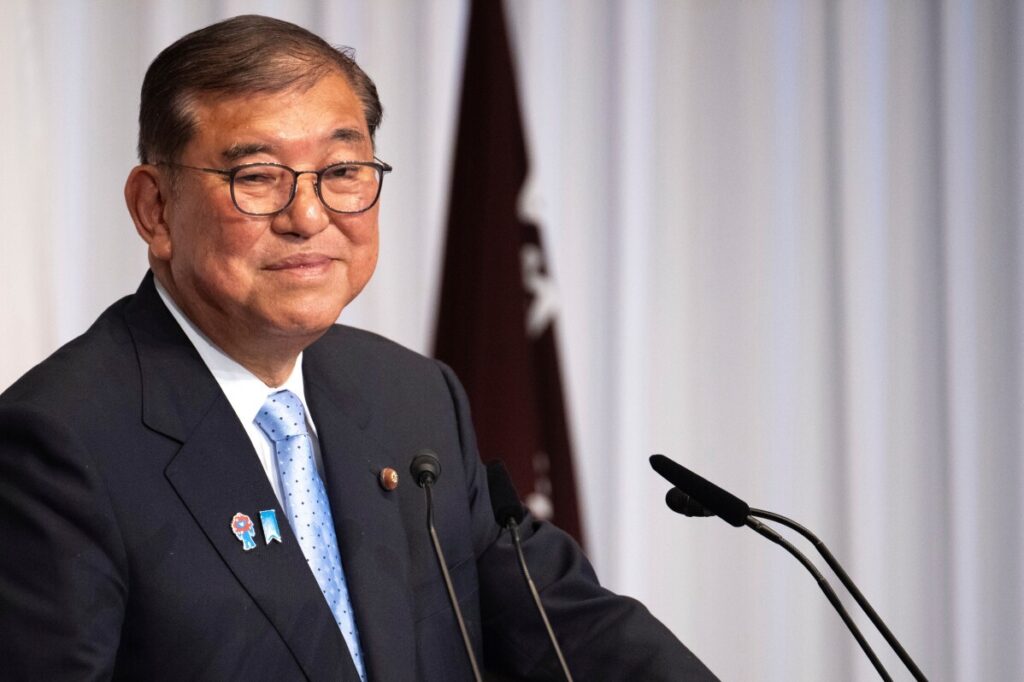
Asian markets showed a patchwork of cautious moves on Tuesday, mirroring the underlying political uncertainty shaking Japan after its ruling coalition lost the upper house majority in Sunday’s election. The Nikkei 225 initially surged but slipped 0.3%, showing investor nerves about Prime Minister Shigeru Ishiba’s precarious hold on power.
This political upheaval is not an isolated drama; it directly threatens stability in a key economic partner and complicates crucial U.S.-Japan trade negotiations. With tariffs looming for Japanese exports to the U.S., Ishiba’s government lacks the parliamentary muscle to pass legislation that might stave off additional American tariffs scheduled for August 1.
Why Should America Care About Japan’s Political Instability?
For America’s economic sovereignty, a stable trading relationship with Japan is more than a diplomatic nicety—it is vital for supply chain security and market access. The administration led by former President Trump recognized this by leveraging tariffs to protect American jobs and industry, especially steel producers like Cleveland-Cliffs, which recently reported benefits from these policies.
The current standoff reveals a familiar pattern: globalist indecision and weak foreign leadership threaten America’s hard-earned economic leverage. How long can Washington afford to watch allies falter when aggressive trade tactics have been instrumental in enforcing fairness? The clock ticks toward August 1 as South Korea faces similar tariff threats amid ongoing negotiations, underscoring a broader regional challenge impacting American exports and national security.
Mixed Signals from Asia: A Warning for America First Policy Makers
While Hong Kong and Shanghai posted modest gains, South Korea’s Kospi plummeted over 1%, reflecting investor anxiety about unresolved trade tensions with the U.S. Australia and India experienced minimal moves, signaling uneven economic confidence across Asia.
The contrast between these performances highlights fragile global markets still vulnerable to protectionist measures that prioritize American workers’ interests over unreliable multilateral agreements. President Trump’s strategy of pairing tough tariffs with negotiation incentives may be contentious, but it remains one of the few effective tools safeguarding America’s manufacturing base against dumping and unfair competition.
U.S. stock indexes treaded cautiously but climbed to fresh highs early in the week ahead of major corporate earnings reports from General Motors, Alphabet, Coca-Cola, and Tesla—companies whose performance will reflect both domestic demand strength and international market risks influenced by geopolitical developments abroad.
In sum, the Asian market volatility rooted in Japan’s political uncertainty is more than a distant concern; it is a direct challenge to America’s economic freedom and strategic advantage. Policymakers must recognize that global disturbances ripple through our economy faster than ever—putting national sovereignty at stake if ignored.