
When Private Moments Become Public Spectacles: The Hidden Costs of Surveillance Culture at Concerts
A viral moment at a Coldplay concert exposed how public surveillance and social media can invade personal privacy, spotlighting an unsettling trend that threatens American freedom and dignity in everyday life.
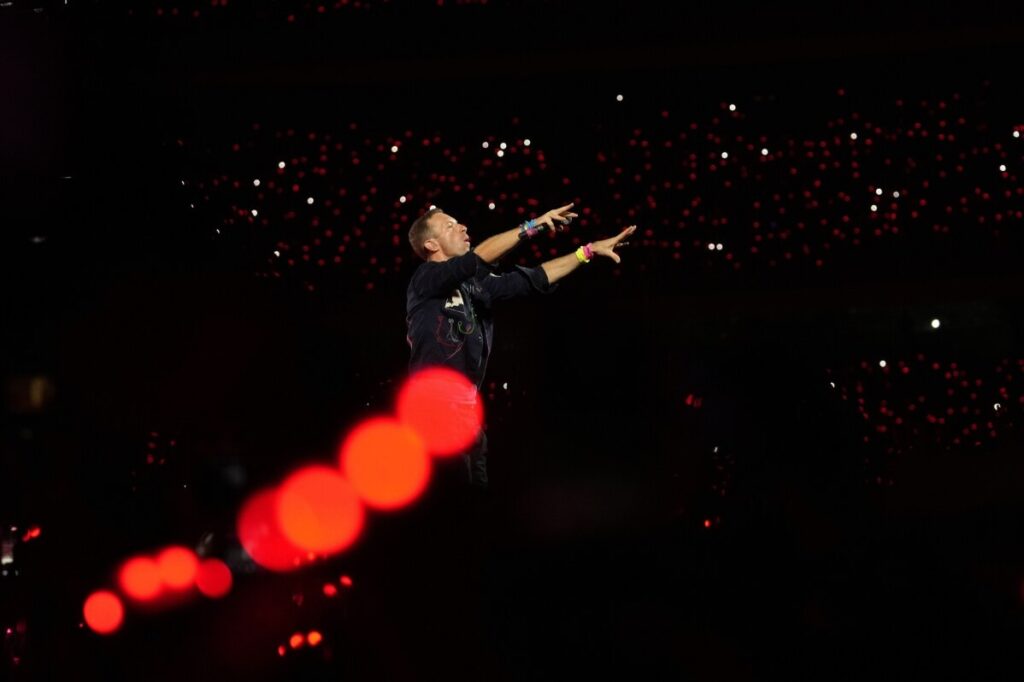
At first glance, a tender hug between two individuals on the jumbotron during a Coldplay concert may seem benign — even charming. But when that couple turned out to be the CEO and chief people officer of a tech startup, the incident quickly spiraled into a viral spectacle, exposing uncomfortable truths about privacy erosion in public spaces.
How Did We Get Here? The Normalization of Public Surveillance
Concert venues like Gillette Stadium routinely use cameras to film attendees, warning visitors through posted notices and privacy policies that their images may be captured. Yet how many Americans fully grasp the reality that these moments can instantly become fodder for worldwide online scrutiny? In this instance, what should have been a private embrace was broadcast to millions via social media, triggering invasive internet sleuthing and relentless commentary.
This isn’t just about one couple’s discomfort but reflects a broader culture where our freedoms are compromised under layers of digital surveillance and data mining. As Mary Angela Bock of UT Austin points out, social media platforms and public venues alike track our movements and likenesses under the guise of entertainment or security. The question arises: Are we trading liberty for convenience without realizing it?
What Does This Mean for America’s Core Values?
The viral fallout included political correctness collateral damage—the CEO placed on leave pending investigation, then resigning amid public pressure fueled by online mobs and misinformation from parody accounts. This cascade highlights the dangers when unaccountable public shaming replaces due process and respect for individual rights.
For families concerned about their privacy and security in everyday settings, this incident is a wake-up call. America First champions understand that preserving national sovereignty also means protecting citizens from encroachments on their personal liberties—whether by government overreach or unchecked corporate surveillance.
Washington should heed these signals: As globalists push pervasive data collection regimes under various pretexts, it is Americans’ right—and duty—to demand transparency, restraint, and respect for privacy. Tech companies must be held accountable for safeguarding user data rather than exploiting viral moments to feed intrusive algorithms.
The takeaway? Vigilance over our personal freedoms must extend beyond simple slogans; it requires pushing back against the normalization of constant surveillance disguised as entertainment or security measures. How long will America let its citizens become unwilling participants in this vast digital panopticon?
The story ended with countless memes but left serious questions unanswered. Are we truly free if every embrace could become ammunition for career destruction or social humiliation? As responsible citizens committed to common-sense conservatism, we must resist turning every human moment into a weapon against liberty.