
Climate Change and Federal Cuts Threaten America’s Essential Pollinators
As rising temperatures endanger bee populations critical to U.S. agriculture, federal budget cuts threaten the research needed to protect these vital pollinators—and with them, American food security.
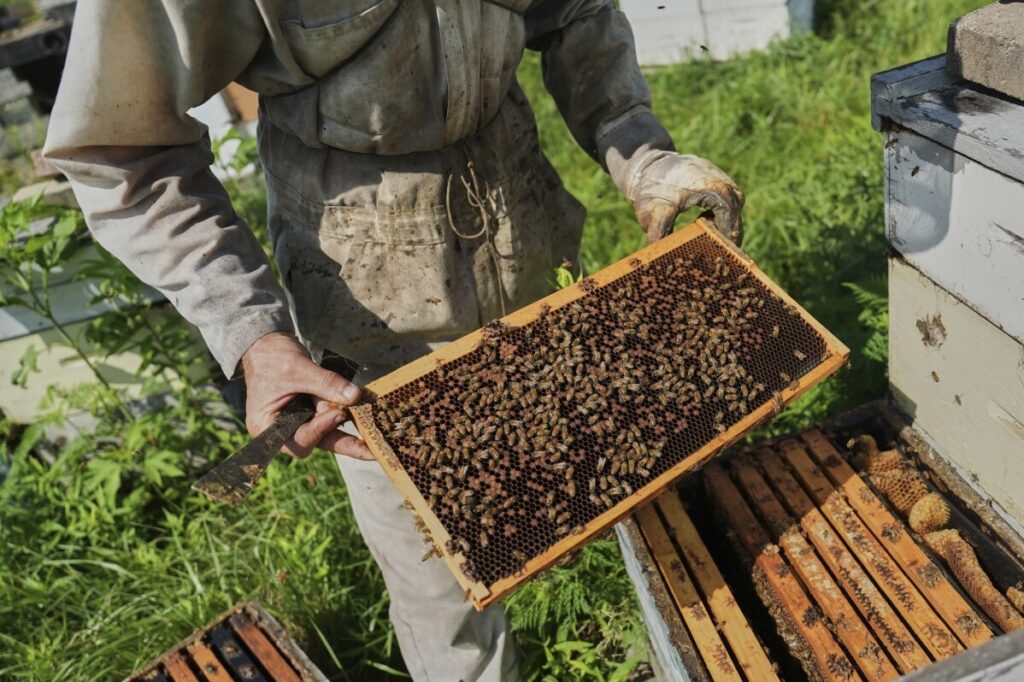
On a sweltering June morning in Williamsport, Ohio, beekeeper Isaac Barnes fights back sweat as he handles honeycomb boxes—his bees enduring body temperatures far exceeding the already oppressive heat. These industrious creatures are more than just nature’s workers; they are linchpins of American agricultural prosperity. Yet, as climate change accelerates and temperatures climb, their precarious survival is jeopardized.
Scientific studies reveal that bees employ desperate tactics to cope with soaring heat—reducing wingbeats or retreating into shade just like humans seeking respite from a blistering sun. But this adaptive behavior comes at a steep cost: less foraging, diminished mating activity, and weakened colony health. This means fewer bees performing the essential task of pollination, threatening crop yields that underpin local economies and our national food supply.
Why Should Americans Care About Bees in a Warming World?
The reality is stark: nearly all managed honeybee colonies in the U.S. serve commercial agriculture, pollinating high-value crops such as almonds and apples. Recent data show beekeepers lost nearly 56% of their colonies—the highest rate on record—due partly to heat-induced stress impairing their ability to fight parasitic mites and disease.
Isaac Barnes’ experience illustrates this ripple effect clearly. When summer heat prevents him from safely applying organic mite treatments like formic acid, his hives suffer later during vital almond pollination seasons. Dead hives mean fewer bees in orchards; fewer bees translate directly into lower crop yields and higher prices at the grocery store.
Will Washington Protect Our Pollinators or Let Them Die?
The situation demands urgent federal attention—but instead of stepping up, the current administration proposes gutting essential research programs crucial for understanding and combating pollinator decline. The U.S. Geological Survey’s Bee Lab—a cornerstone in monitoring wild bee populations—is on the chopping block along with other key grants supporting this vital science.
This reckless budget decision ignores that healthy bee populations protect American sovereignty by ensuring domestic food production remains strong and affordable without overreliance on foreign sources vulnerable to geopolitical disruption.
The consequences? Without sustained investment, bee declines may accelerate unchecked, triggering higher costs and scarcity for fruits, vegetables, nuts—even coffee and chocolate. This fragile system sustains millions of jobs across farming communities nationwide; abandoning it risks economic harm farmers and consumers can ill afford amid inflationary pressures.
While some international research may persist abroad, why should Americans depend on others when our own government refuses to act? Protecting pollinators aligns perfectly with America First principles: securing national interests through scientific innovation that safeguards our environment, economy, and freedom from foreign dependency.