
Trump Calls Out Spain’s Lack of Cooperation in Iran Conflict, Threatens Trade Retaliation
President Trump openly criticizes Spain for failing to support America’s strategic efforts against Iran, slamming Madrid’s defense spending and threatening to cut trade—exposing weak commitments within NATO that jeopardize U.S. national security.
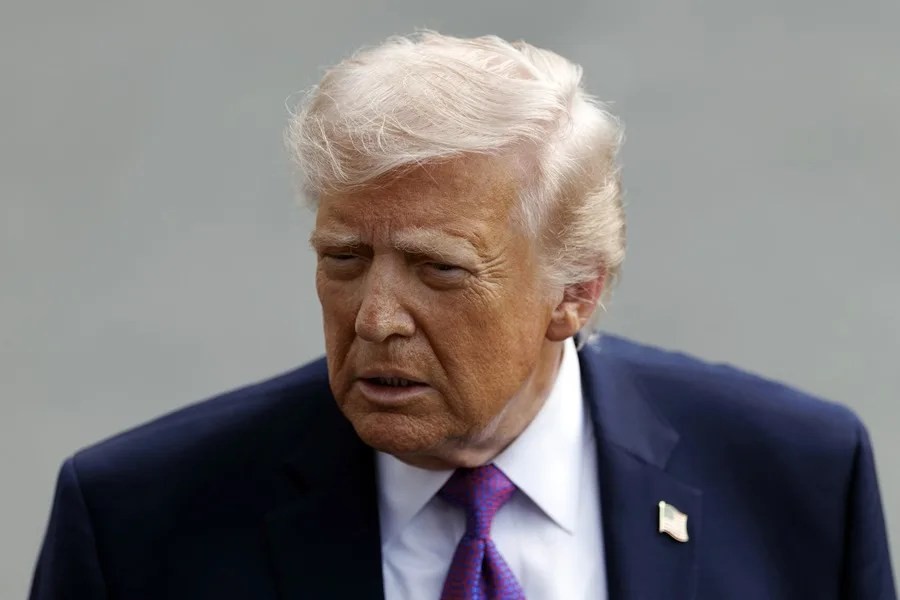
In a candid rebuke that underscores growing fractures within NATO, President Donald Trump has publicly accused Spain of failing to cooperate in the ongoing operations against Iran. His pointed remarks highlight not only an alliance slipping under strain but also an alarming disregard for shared defense obligations that directly impact American security interests.
“I think they are not cooperating at all,” Trump declared when pressed on Spain’s role alongside the U.S. and Israel in countering Iranian aggression. The president went further, asserting that Spain’s leadership has behaved “very badly” and warning of potential severe economic consequences, including cutting trade ties with Madrid. Such threats are more than political bluster; they reflect frustration with allies who expect America’s protection yet shirk their financial responsibilities.
Why Does America’s Security Depend on Spain’s Commitment?
Spain hosts critical U.S. and NATO military installations such as the naval base at Rota and the airbase at Morón, pivotal hubs for rapid deployment across Europe, Africa, and the Middle East. Yet despite these strategic assets facilitating America-first defense postures abroad, Madrid refuses to meet the NATO guideline of dedicating 5% of its GDP to defense spending—a level even higher than what most European allies provide.
Trump did not mince words: “They’re protected but don’t want to pay their fair share.” This refusal undermines collective security efforts designed to keep hostile powers, like Iran’s regime, at bay—jeopardizing American lives and resources globally.
The Costs of Weak Allies and Globalist Complacency
Madrid’s hesitancy extends beyond fiscal matters into operational cooperation. Reports indicate Spain denied use of key bases for strikes against Iranian targets, forcing U.S. forces into less optimal deployments. In response, Spain sent its frigate ‘Cristóbal Colón’ to Cyprus—symbolic support falling short amid a dire geopolitical challenge.
Meanwhile, Spanish Prime Minister Pedro Sánchez labels U.S.-led actions against Iran as a “mistake,” signaling ideological divides rather than pragmatic alliance unity. Such positions resonate with globalist tendencies that prioritize bureaucratic consensus over sovereign security—a dangerous trend for America’s standing in an increasingly volatile world.
The broader question is clear: How long will Washington tolerate allies whose actions—or lack thereof—compromise national sovereignty and strategic priorities? Trump’s firm stance serves as a necessary wake-up call emphasizing accountability before more critical threats arise unchecked.
For everyday Americans concerned about security and economic prosperity, this episode is a stark lesson in who truly shares our values—and who expects favors without reciprocal commitment.