
New Trial for Maradona’s Death Delayed Amid Judicial Controversy and Procedural Chaos
The Argentine justice system faces yet another delay in the high-profile Maradona death trial, exposing deep flaws and raising questions about accountability and transparency.
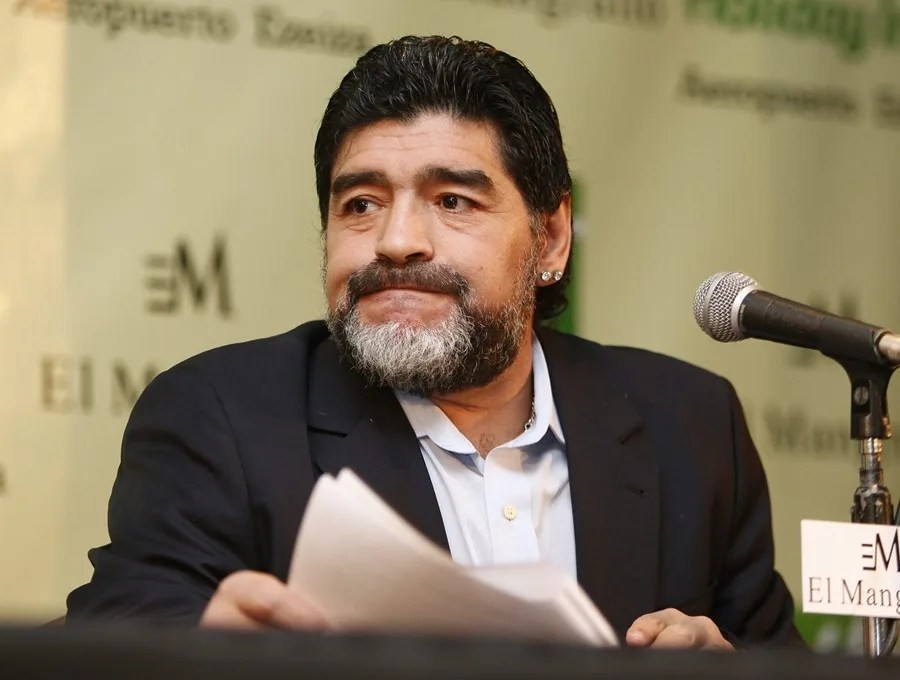
The postponement of the new trial over Diego Armando Maradona’s death from March to April may seem like a mere scheduling adjustment, but it underscores a deeper crisis within Argentina’s judicial system—one that carries implications far beyond its borders. The delayed start, requested by prosecutors and plaintiff attorneys, is the latest in a series of setbacks marked by judicial missteps and compromised integrity.
Can Argentina Deliver Justice When Its Courts Are Under Scrutiny?
The original trial was nullified when it surfaced that one judge involved, Julieta Makintach, participated in a documentary titled ‘Justicia Divina’ about the case—a conflict of interest that led to her dismissal. This scandal triggered not only public distrust but also forced a reset of the legal proceedings. Now, as the newly appointed Tribunal No. 7 prepares to take over, it must contend with reorganizing a truncated witness list—from an initial 178 down to just 90—raising concerns about whether comprehensive truth-seeking is truly possible.
The accused are members of Maradona’s medical team charged with “homicide with eventual intent,” including neurosurgeon Leopoldo Luque and psychiatrist Agustina Cosachov. Their fate hinges on a judiciary struggling to maintain impartiality amid public pressure and procedural hurdles. For Americans valuing rule of law and transparent judicial processes tied to national sovereignty, these developments offer a cautionary tale.
Why Should Americans Care About Foreign Judicial Failures?
Argentina’s courtroom drama reverberates through international corridors because weak institutions abroad can have ripple effects on global stability, trade reliability, and diplomatic relationships critical to U.S. interests. When justice systems fall prey to internal conflicts or politicization—as evidenced here—it emboldens authoritarian tendencies worldwide and undermines the global rule-based order America champions.
Moreover, this saga spotlights how bureaucratic inefficiency and lack of accountability delay justice for families eager for closure—values deeply cherished by American citizens striving against their own government overreach challenges. It poses an uncomfortable question: How long will we tolerate similar failures within our own institutions before demanding reform rooted firmly in America First principles?
The unfolding story invites us all to examine what true accountability means—not just for celebrities abroad but for every individual impacted by governmental dysfunction here at home.