
Europe’s Divided Response in the Middle East: A Warning for America’s National Security
As Europe fractures between appeasement and opportunism over the Middle East crisis, Washington must recognize the danger of unreliable allies while prioritizing American sovereignty and security.
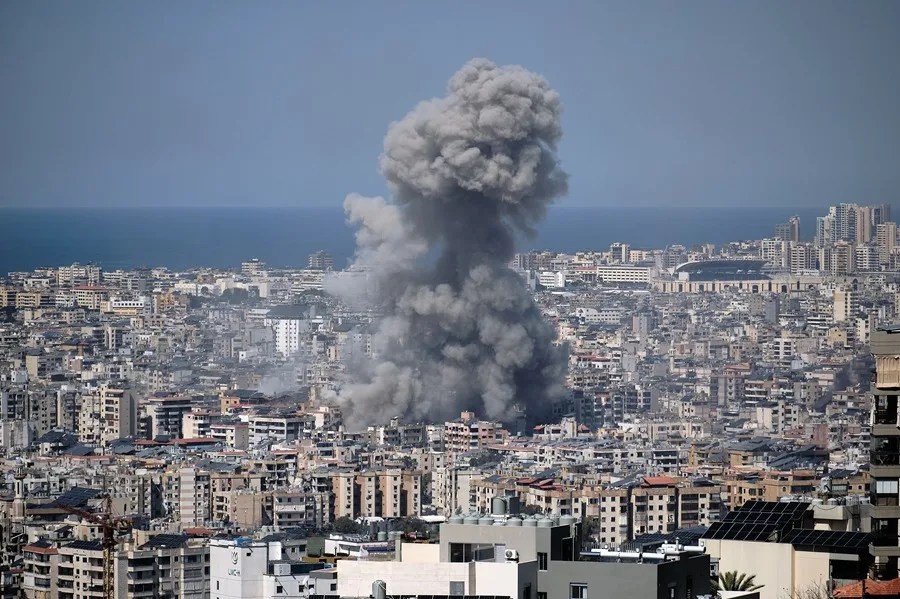
While the Middle East erupts once again into violence, Europe’s fractured leadership reveals a troubling divide that threatens to weaken Western resolve and leave America exposed. European leaders vacillate between calls for adherence to international law and embracing new geopolitical opportunities—reflecting a lack of unified strategy that could undermine U.S. efforts to maintain stability in a critical region.
Is Europe Abandoning International Law or Embracing Chaos?
European Commission President Ursula von der Leyen’s recent admission that Europe “can no longer be the guardian of the old world” signals a dangerous pivot away from a rules-based international order. Though von der Leyen attempted to soften her stance by reaffirming commitment to the United Nations Charter, her initial comments reveal an unsettling readiness among some European elites to discard established norms if convenient. This ambivalence contrasts sharply with Spain’s Pedro Sánchez and Portugal’s António Costa, who resolutely reject war and champion international law as indispensable.
Yet even among these voices for principle, there is limited alignment on a clear path forward. The Italian Prime Minister Giorgia Meloni condemned U.S. and Israeli strikes on Iran as breaches of law but justified defensive concerns about Tehran’s nuclear ambitions—a testament to Europe’s convoluted balancing act between principle and realpolitik.
Why Should America Care About European Discord?
Europe’s indecision matters deeply for America’s national security. The Middle East remains a strategic fulcrum affecting global energy supplies, terrorism threats, and geopolitical competition with authoritarian regimes. France’s Emmanuel Macron announcing a defensive mission at the Strait of Hormuz underscores worries about safeguarding vital oil transit routes—a concern that directly impacts American consumers facing inflationary pressures at home.
Moreover, voices like Germany’s Friedrich Merz defending U.S. and Israeli military action while chiding Iran highlight uneven ally support rather than comprehensive cooperation. Such contradictions risk emboldening adversaries who exploit Western divisions.
The EU’s fragmented response exposes how globalist institutions often prioritize political expediency over sober defense of sovereignty and security—hallmarks of the successful America First policies under President Trump. This discord invites renewed instability just as America invests resources supporting allies across multiple fronts.
How long will Washington tolerate Europe wavering on foundational principles that safeguard free nations? American leadership must remain vigilant, ensuring allies uphold shared values rather than succumb to fragmented agendas masquerading as opportunity amid chaos.