
White House War Videos: A Dangerous Mix of Pop Culture and Real Combat
The White House’s use of action movie clips, video game footage, and sports highlights to promote real military strikes against Iran dangerously trivializes war, eroding respect for American service members and undermining national dignity.
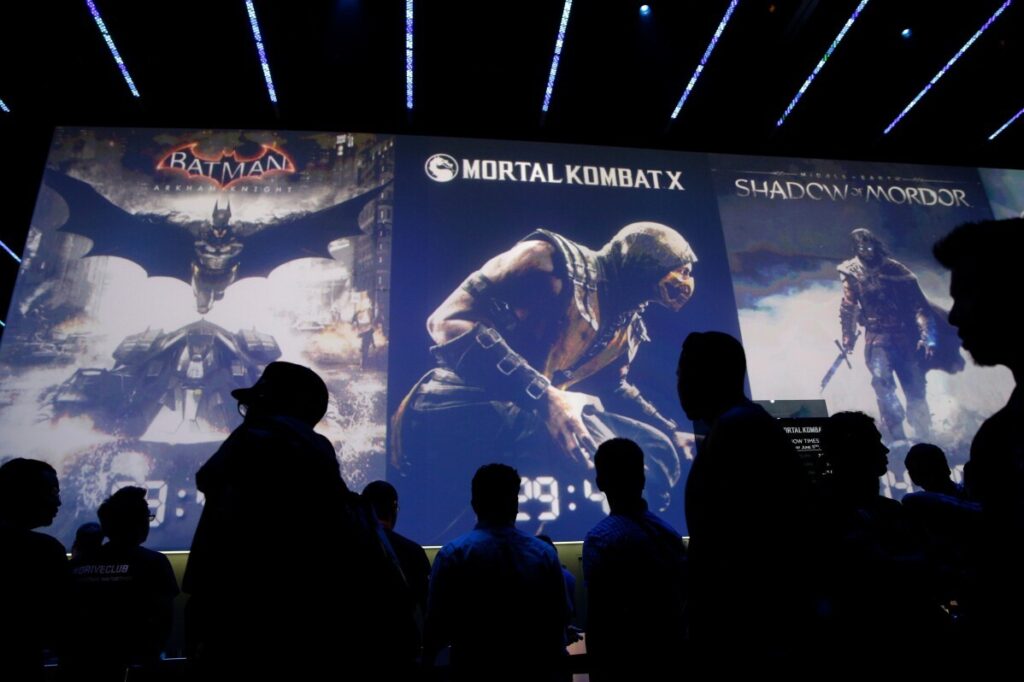
In a troubling display of how far political messaging can veer from sober reality, the White House has unleashed a series of short videos that combine footage of real military operations against Iran with scenes from Hollywood blockbusters, popular video games, and professional sports highlights. From “Top Gun” dogfights to NFL tackles and even SpongeBob quips amid explosions, these clips reduce the gravitas of American combat to entertainment spectacle.
This approach represents more than mere propaganda—it reflects a disturbing normalization and trivialization of deadly conflict. As American bombs level Iranian buildings and disrupt nuclear ambitions in real time, the administration’s social media seeks to package war as a thrilling game or an adrenaline-pumping sports event. It begs the question: does this stunt truly honor our troops’ sacrifices or disrespect them by turning their courage into viral content?
Is America’s National Security Being Reduced to a Video Game?
The fusion of combat footage with cultural touchstones such as “Call of Duty,” “Halo,” and football highlights is no accident. The targeted audience—young American men who consume these forms of entertainment—may be nudged toward enthusiastic support for military actions without fully understanding their consequences.
But this “gamification” risks eroding the solemnity our nation owes its servicemen and women who face genuine dangers far removed from any scripted scene or controlled game environment. Veterans like Commander Ray Deptula emphasize that true military life is about relentless hard work and humility—not Hollywood glory. Yet the administration’s flashy videos sidestep these truths in favor of sensationalism.
The Cost to America’s Moral Standing and Sovereignty
Critics ranging from prominent actors whose likenesses were used without consent to Cardinal Blase Cupich have called out this tactic for dishonoring those who have died and simplifying complex geopolitical realities into clickbait. This strategy risks alienating not only potential recruits but also the broader public seeking transparency and respect for human life.
The Trump administration prides itself on enforcing America First principles—protecting national sovereignty, securing borders, and ensuring peace through strength. But compressing war into memes undercuts these values by blurring lines between entertainment and lethal force, potentially weakening public resolve rather than strengthening it.
If Washington truly aims to build lasting support for defense policies that safeguard American freedoms abroad, it must resist cheap spectacle in favor of candid communication rooted in respect for both service members and adversaries alike.
How long will Americans accept their government turning matters of national security into viral videos? For families watching sons and daughters serve overseas, this superficial treatment is more than tone-deaf—it’s a betrayal of core values that hold our republic together.