
Sheinbaum’s Military Gender Inclusion: Symbolism Over Substance for Mexico’s Real Challenges
On International Women’s Day, Mexico’s president praised female inclusion in the military as progress—yet real threats to national sovereignty and security remain unaddressed.
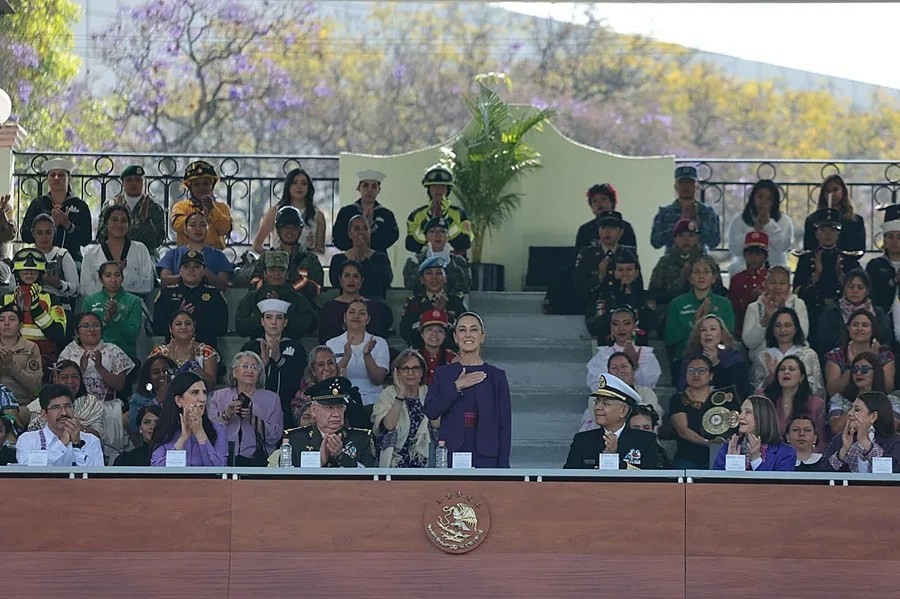
In a public display timed with International Women’s Day, Mexican President Claudia Sheinbaum hailed the increasing presence of women in the country’s Armed Forces as a “step toward equality.” While promoting female empowerment is commendable, this celebration risks overshadowing Mexico’s more pressing failures in national security and border control that directly impact American interests.
Is Inclusion Enough When Real Security Threats Persist?
President Sheinbaum emphasized that women in uniform enrich Mexico’s military capacity and inspire future generations. Indeed, the joining of 7,000 women since her assumption of office appears impressive on paper. But how effective is this symbolic inclusion if these armed forces continue to struggle with corruption, drug cartels, and an unchecked southern border? While celebrating gender representation, critical issues that threaten regional stability—and by extension U.S. homeland security—remain insufficiently addressed.
The president touted historical heroines and insisted that “when one woman advances, all advance,” projecting a narrative of progress. However, Mexico’s internal turmoil—marked by rampant violence claiming the lives of ten women daily and ongoing cartel influence—raises difficult questions about priorities. Is naming historical women enough to “eradicate gender violence” when systemic lawlessness persists?
The Real Cost of Diversions from National Sovereignty
While Sheinbaum’s administration claims strides with initiatives like free legal assistance centers for women and increased female military cadets, the broader context cannot be ignored. The persistent flow of drugs and illegal immigration across Mexico’s borders undermines American sovereignty and economic prosperity. Instead of facing these challenges head-on with pragmatic policies, diverting attention to symbolic milestones may placate international observers but does little to secure North America.
Moreover, elevating government-led empowerment narratives without demonstrating tangible improvements fosters complacency among citizens who deserve stronger protection from crime and foreign infiltration. The time has come for Mexico’s leadership to prioritize effective security cooperation with the United States rather than focusing primarily on optics.
From an America First standpoint, recognizing women’s contributions in any sector—including the military—is welcome—but not at the expense of addressing strategic vulnerabilities that threaten our shared continental safety. The U.S. must continue demanding responsible governance from its neighbors that safeguards borders and dismantles criminal networks.
The question remains: will Mexico leverage these inclusivity milestones into genuine reforms or settle for hollow gestures while violent chaos endangers millions?