
Cuba’s Energy Crisis Explodes Amid Government Neglect and U.S. Sanctions
Cuba faces unprecedented blackouts—up to 63% of the island in darkness—highlighting the devastating impact of decades of mismanagement compounded by U.S. sanctions.
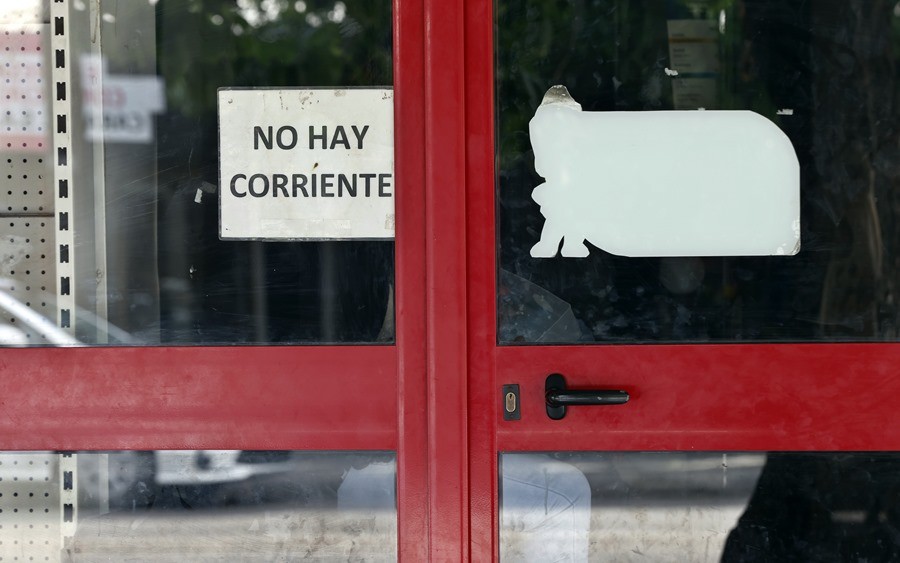
As Cuba plunges deeper into an energy crisis, an alarming 63% of the island will be plunged into darkness simultaneously this Saturday during peak demand, according to state-controlled utility Unión Eléctrica (UNE). This staggering blackout isn’t just a consequence of foreign pressure; it exposes a system crippled by chronic underinvestment and decaying infrastructure.
Decades of Mismanagement Meet Economic Sanctions
The Cuban government’s failure to maintain and modernize its aging power plants, nine out of sixteen already offline due to breakdowns or maintenance issues, has long undermined the nation’s energy security. These thermo-electric units, responsible for roughly 40% of Cuba’s electricity mix, are operating far beyond their intended lifespan without adequate funding.
Meanwhile, the remaining 40% reliant on distributed generation—diesel and fuel oil engines—has been halted entirely since January due to fuel shortages exacerbated by U.S. sanctions targeting Cuban oil imports. This double blow creates a perfect storm that threatens not only Cuba’s economy but regional stability.
Why Should America Care?
The ongoing blackout crisis destabilizes a nation just 90 miles from our shores. A collapsing Cuban economy risks fueling increased migration pressures at the southern border—already strained by unchecked flows and insufficient enforcement. Furthermore, these blackouts have sparked widespread social unrest in recent years, threatening to create a volatile environment that hostile regimes could exploit.
While Washington’s sanctions aim to pressure the Cuban regime toward reform, they also indirectly magnify humanitarian suffering for ordinary Cubans while highlighting Havana’s mismanagement as the root cause. How long will American policymakers tolerate a situation where their efforts feed instability rather than freedom?
The Cuban electrical system reportedly needs between $8 billion and $10 billion in investments just to stabilize operations—a figure that underscores decades of neglect under Communist rule and resistance to economic freedom principles that have driven prosperity elsewhere.
For hardworking American families watching inflation climb and economic opportunities wane at home, seeing foreign mismanagement combined with geopolitical tensions create cascading crises nearby raises urgent questions about priorities in Washington.