
Flight Cancellations Amid Middle East War Expose Gaps in Gulf Crisis Management
As war disrupts Gulf flights, hundreds are stranded far from home, relying on the goodwill of an Indian businessman while regional crisis management falters.
When conflict erupts thousands of miles away, it’s often American families and global commerce that feel the ripple effects most acutely. The recent Middle East war has not only destabilized a volatile region but exposed glaring failures in managing travel safety and humanitarian protocols across the Gulf.
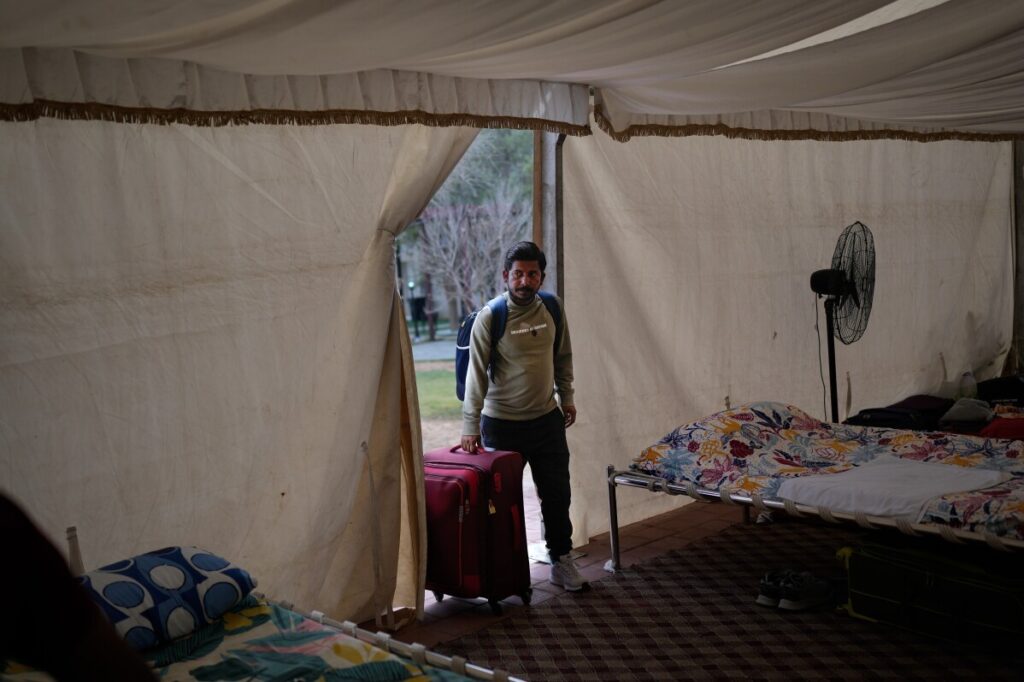
In Ajman, United Arab Emirates, where scores of travelers found their flights abruptly canceled amid escalating tensions, an Indian expatriate stepped up where government agencies fell short. Dr. Dhiraj Jain, head of 1XL Holdings, transformed his farm into an impromptu shelter providing tents, food, and even moments of normalcy such as cricket and yoga for those stranded.
Why Are Travelers Left to Rely on Private Charity?
Instead of coordinated evacuations or emergency accommodations from Gulf authorities or international partners, hundreds were left scrambling. Flight suspensions hit without warning amid the crisis, leaving passengers to fend for themselves in a foreign land. While Dr. Jain’s generosity shines as a beacon of community spirit, it also highlights a disturbing vacuum in official crisis response.
How long will Washington tolerate this lack of preparedness by foreign allies whose stability affects American security interests? Instability in the Middle East risks disrupting vital energy supplies and trade routes crucial to our economy and national security. Yet when Americans and global citizens need safe passage or assistance abroad during conflicts inflamed by rogue regimes or terrorist actors, too often they are left vulnerable.
The Stakes for America Are High
This episode underscores why an “America First” approach to foreign policy matters more than ever: protecting our citizens abroad starts with securing peace through strength and reliable partnerships that share responsibility for crises. President Trump’s emphasis on strong borders and clear national priorities aimed exactly at preventing such chaos impacting Americans overseas.
Families already burdened by inflation now face additional uncertainty due to disruptions originating from distant conflicts. Travel cancellations stall commerce and personal plans alike—reminding us that national sovereignty extends beyond borders; it requires vigilant defense of America’s interests globally to prevent cascading failures like these.
Dr. Jain’s shelter is a commendable stopgap measure reflecting human decency rather than systemic reliability. It raises urgent questions about accountability among Gulf states hosting strategic American assets—and how better coordination can shield innocent travelers from becoming collateral damage amid great power rivalries.
Americans deserve assurances that when crises strike abroad—whether wars or humanitarian emergencies—the government acts swiftly alongside trustworthy allies to safeguard lives first. Anything less compromises our freedom and economic security right here at home.