
Israeli Airstrikes in Lebanon Escalate Casualties Amid Questionable Military Objectives
Israeli air assaults in Lebanon have claimed nearly 300 lives and wounded over a thousand, raising urgent questions about the operation’s strategic value and consequences for regional stability—and for American interests.
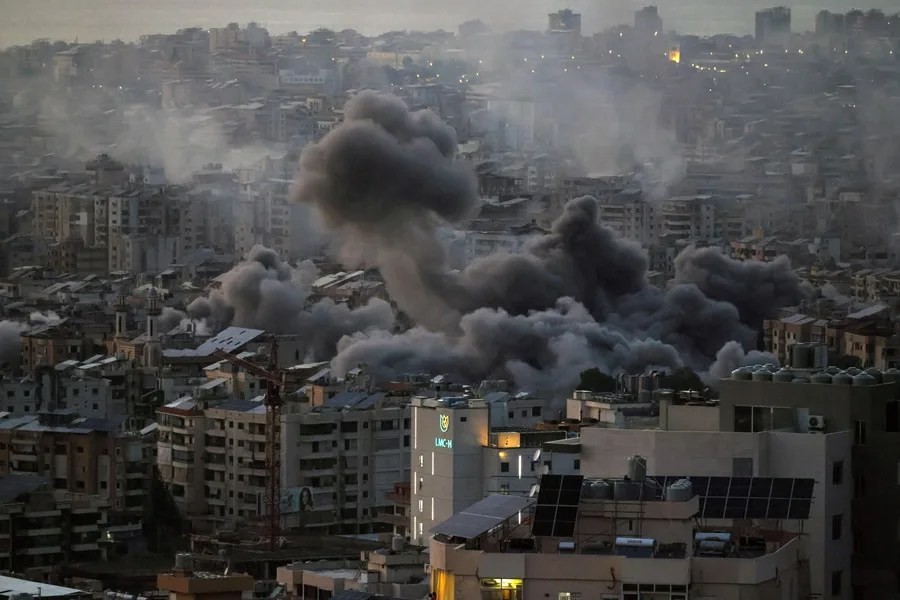
The relentless Israeli aerial offensive against Lebanon has now tragically claimed the lives of at least 294 people, with injuries surpassing a thousand since it began just six days ago. The latest deadly strike came during an intense helicopter raid east of the country in Nabi Chit, killing 41 civilians and wounding many more.
While Israel frames this specific incursion as a search mission for their long-missing pilot Ron Arad—disappeared since 1986—the broader campaign raises critical concerns about reckless military tactics that endanger civilians and threaten regional stability. How many more innocent Lebanese must suffer while Washington remains silent or offers only tepid support for actions that risk deepening Middle East volatility?
Does This Campaign Serve America’s Strategic Interests or Fuel Regional Chaos?
Israel’s bombardments target southern and eastern Lebanon, including areas near Beirut’s southern outskirts and the Bekaa Valley. These strikes persist despite the limited retaliatory attacks by Hezbollah on northern Israel. More than 110,000 Lebanese have been displaced to official shelters, with countless others fleeing into uncertain refuge—an escalating humanitarian crisis unfolding on America’s doorstep.
This ongoing conflict underscores a failure to apply a principled America First approach: safeguarding U.S. security requires supporting measures that enhance regional peace and avoid exacerbating anti-American sentiment. Instead, these aggressive strikes may sow greater instability, indirectly threatening our own national sovereignty by empowering hostile groups along our borders.
Accountability Demands Transparency and Strategic Clarity
The Israeli military’s vague justification of seeking clues about a pilot missing for nearly four decades invites skepticism. Is this operation truly grounded in sound intelligence or merely an excuse for broad military action with high civilian costs? Meanwhile, Hezbollah’s localized counterattacks keep the cycle of violence alive, drawing Lebanon deeper into turmoil.
America must insist on clear objectives from its allies—actions that prioritize protecting innocents and advancing genuine security goals rather than perpetuating cycles of violence that undermine freedom and economic prosperity across the region.
As families watch their loved ones caught in crossfire thousands of miles away, one must ask: How long will Washington tolerate strategies that jeopardize peace without clear benefits to American interests? Upholding national sovereignty means demanding accountability not only from adversaries abroad but also from partners whose actions can drag America into unwanted conflicts.