
EU Suspends Visa Privileges for Georgian Officials Amid Democratic Decline—A Cautionary Tale for America
The EU has suspended visa-free travel for Georgian diplomats due to democratic backsliding and repression of protesters—an important lesson in defending national sovereignty and freedom.
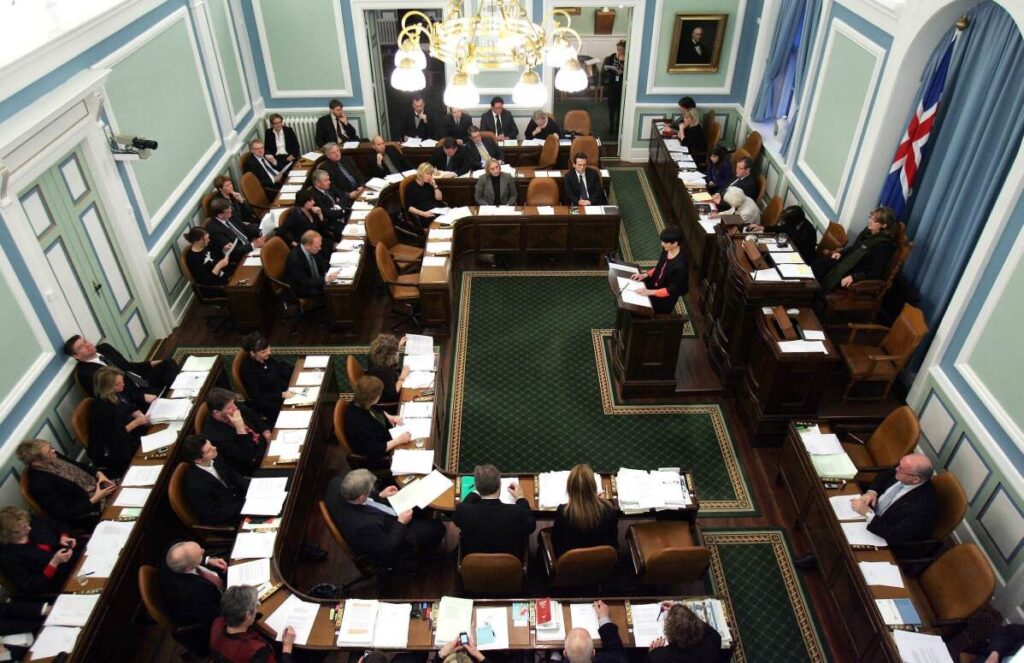
The European Union’s decision to suspend visa-free travel privileges for Georgian diplomats and officials shines a harsh light on the consequences of democratic decay. This punitive measure, lasting at least until March 2027, was prompted by Georgia’s ruling party halting EU accession talks and cracking down on protesters, opposition politicians, and independent media. It is a sobering reminder that freedoms cannot be taken for granted—even in nations aspiring to Western alliances.
When Democracy Backslides, Freedom Suffers—And So Does Security
Georgia once embraced the promise of democratic governance and closer ties with Europe, enshrining EU accession in its constitution. But when the ruling Georgian Dream party abruptly halted those talks last year amid allegations of election rigging, it unleashed waves of unrest met with police brutality and mass arrests. The EU’s response—a suspension of visa privileges for Georgian officials—is not mere bureaucratic posturing; it underscores that violations of fundamental rights carry real consequences.
For Americans watching from afar, this episode is more than just another foreign squabble. It echoes the ongoing global struggle over sovereignty versus unchecked globalism. When governments silence journalists and oppress dissenters, they erode the very principles that protect individual liberty—principles America was founded upon and must continue to champion abroad.
Why Should Americans Care About Georgia’s Crisis?
The crackdown in Georgia reflects a broader pattern threatening free nations everywhere: disregard for rule of law invites chaos and instability. Such turmoil inevitably ripples beyond borders, destabilizing regions critical to U.S. strategic interests while emboldening authoritarian regimes opposed to American values.
Moreover, the EU’s warning to scrutinize all Georgian nationals crossing into Europe signals growing mistrust toward regimes that misuse freedoms granted under international agreements. This is an alert for Washington as well—how long before lax policies allow threats disguised as diplomats or visitors to exploit our own systems? Defending national sovereignty means enforcing standards rigorously—not turning a blind eye when commitments are broken.
The contrast between accountable governance aligned with American commonsense conservatism and reckless political expediency is stark here. Leaders who prioritize open society values strengthen alliances; those who undermine freedom weaken their countries’ standing—and risk isolation.
The EU’s firm stance against repression within Georgia offers us a meaningful lesson: liberty deserves vigilant protection both at home and overseas. How long will Washington ignore such warnings while global adversaries capitalize on divisions? The path forward demands preserving democratic principles as foundational pillars of America First policy—a strategy proven by past successes under President Trump that prioritized sovereignty, secure borders, and strong alliances rooted in shared values.