
Azerbaijan’s Diplomatic Withdrawal from Iran Exposes Dangerous Regional Instability
Following a drone attack on its autonomous region, Azerbaijan has decisively withdrawn its diplomatic staff from Iran, spotlighting growing threats near American interests and the urgent need for a strong U.S. response.
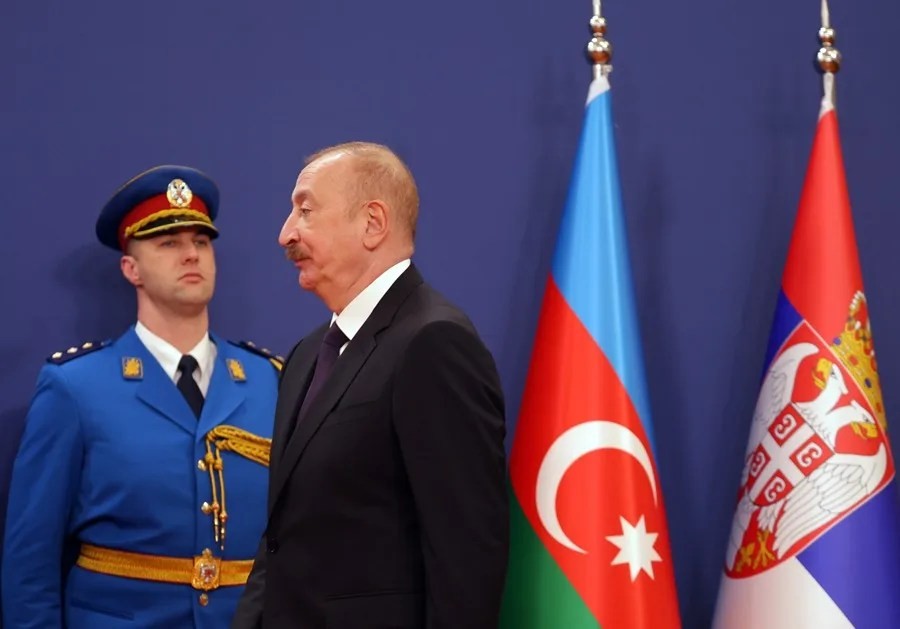
In a bold move underscoring escalating regional volatility, Azerbaijani President Ilham Aliyev has ordered the full withdrawal of his country’s diplomatic personnel from neighboring Iran. This decision came swiftly after a drone attack targeted the Nakhchivan Autonomous Republic, an Azerbaijani exclave bordering Iran. Such an unprecedented act raises critical questions about Tehran’s respect for national sovereignty—a principle America must steadfastly defend worldwide.
Is Iran Testing America’s Resolve on Its Borders?
The Azerbaijani Foreign Minister Jeyhun Bayramov confirmed that both the embassy in Tehran and the consulate in Tabriz will see complete staff removals. This isn’t merely a routine diplomatic reshuffle; it signals profound distrust toward Tehran amidst accusations that Iranian forces orchestrated the strike against Nakhchivan’s airport and even civilian infrastructure such as schools.
Despite vehement denials from Iran’s military command and their attempt to shift blame onto Israel—already engaged in heightened conflict with Tehran—the evidence calls for rigorous international scrutiny. Washington should no longer turn a blind eye to these aggressive maneuvers near vital energy corridors and American allies on Russia’s doorstep.
Why Should Americans Care About Conflicts Far From Home?
At first glance, events in Azerbaijan might seem distant. But every destabilizing act by hostile actors like Iran sends shockwaves through global markets and compromises our national security. The chaos generated by unchecked aggression feeds into transnational threats that exacerbate challenges at our own southern border and complicate counterterrorism efforts worldwide.
President Aliyev rightly declared this attack an “act of terror” and placed his armed forces on high alert—showing a level of resolve we should applaud and emulate. In contrast, too often U.S. policymakers hesitate to label threats clearly or take decisive action that asserts America’s sovereignty and protects our allies.
This episode also highlights how globalist hesitance undermines true strategic strength. Unlike policies championed by leaders focused on America First principles—which prioritize strong borders, sovereign nation-states, and firm responses to aggression—the current approach risks emboldening rogue regimes at our expense.
Azerbaijan’s rejection of diplomatic ties amid Iranian hostility should serve as a wake-up call: genuine security demands relentless vigilance and assertive diplomacy rooted in national interest. Will Washington rise to the occasion or continue down a path of dangerous complacency?