
Hungary’s Hostage-Taking of Ukrainian Bank Employees Exposes Dangerous EU Rift
Hungary’s seizure of seven Ukrainian bank employees and their cash highlights deepening fractures in European unity—raising urgent questions about the reliability of alliances critical to U.S. interests abroad.
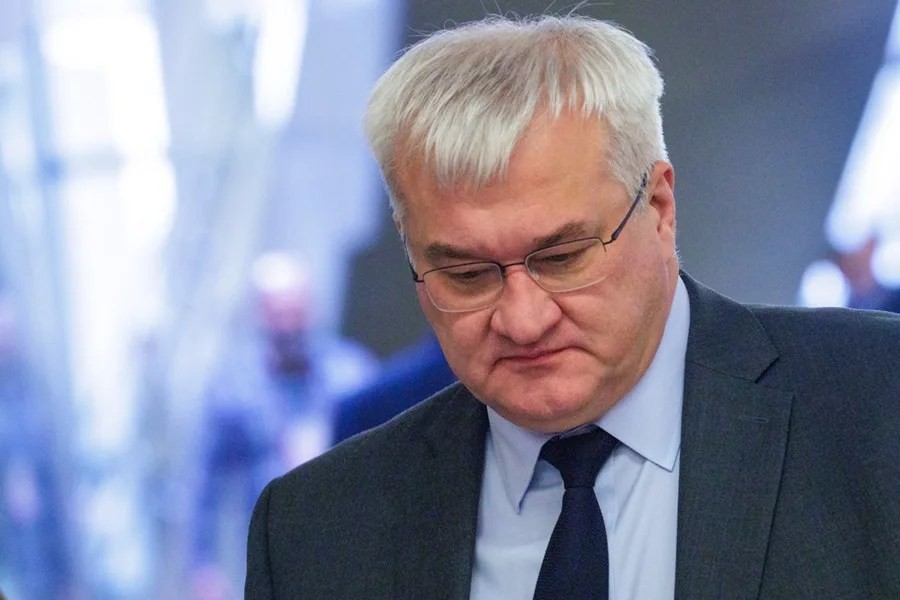
In a troubling development with far-reaching implications, Hungary has detained seven Ukrainian employees of the state-owned Oschadbank while they were transiting Hungarian territory. According to Ukraine’s Foreign Minister Andrii Sybiha, these workers were effectively taken hostage after traveling from Austria back to Ukraine carrying cash tied to routine interbank operations.
“Today in Budapest, Hungarian authorities have taken seven Ukrainian citizens hostage,” Sybiha declared on social media, drawing attention to what he calls a blatant act of theft by Budapest authorities. Oschadbank itself confirmed the incident and joined Kyiv’s call for an immediate release and clarification.
Why Is Hungary Holding Ukraine’s Bank Workers?
This alarming episode unfolds amid an escalating political standoff between Kyiv and Budapest. At its core is Hungary’s refusal within the European Union to approve critical debt issuance designed to fund a €90 billion aid package agreed upon last December for Ukraine’s defense and recovery efforts.
Budapest insists it will block this financial lifeline until Ukraine restores Russian oil transit via the Druzhba pipeline—a key supply route stopped since January after Russian strikes on infrastructure inside Ukraine.
This move signals how globalist ambitions for unified Western support are being undermined by narrow national interests and geopolitical bargaining. While Europe squabbles over aid conditions, America faces a Europe less reliable as a partner in confronting aggressive adversaries like Russia.
What This Means for American Security and Sovereignty
The scenario is more than a distant European quarrel; it hits at the heart of America First principles—national sovereignty, dependable alliances, and strategic clarity.
- Firstly, Hungary’s actions reveal how individual member states can weaponize EU mechanisms against shared goals, threatening cohesion that underpins transatlantic security.
- Secondly, allowing such brinkmanship weakens support for Ukraine as it defends itself against hostile forces aligned with Moscow’s interests—forces that directly threaten regional stability with global repercussions.
- Finally, this discord signals Washington must reassess where true allies lie and prioritize partnerships that respect sovereignty without extorting strategic leverage through bureaucratic blockades.
How long will Western bureaucracies allow petty disputes to delay vital aid? How deeply can American foreign policy depend on fractured alliances unwilling to confront threats decisively? For hardworking Americans investing tax dollars into overseas defense support, these questions are not theoretical—they demand answers grounded in pragmatic patriotism.
This incident shines a spotlight on the failures of globalist institutions unable to protect core values: freedom for sovereign nations and collective strength against authoritarian aggression. President Trump’s emphasis on strong borders, fair deals among nations, and prioritizing American interests stands in stark contrast with current EU fracturing risking endless uncertainty.
The detainment of innocent bank employees should provoke outrage—not silence—as it symbolizes deeper coercive tactics undermining Eastern Europe’s freedom struggle. Now more than ever, America must champion clear-eyed policies that secure both our national interests and those of trustworthy partners committed to liberty—not political grandstanding cloaked in bureaucracy.