
Iran’s Threat of Prolonged War and New Strategic Weapons Signals Dangerous Escalation
Iran’s Revolutionary Guard openly threatens a prolonged conflict with new strategic weapons as regional violence escalates, exposing Washington’s failure to contain Tehran’s ambitions and risking America’s security.
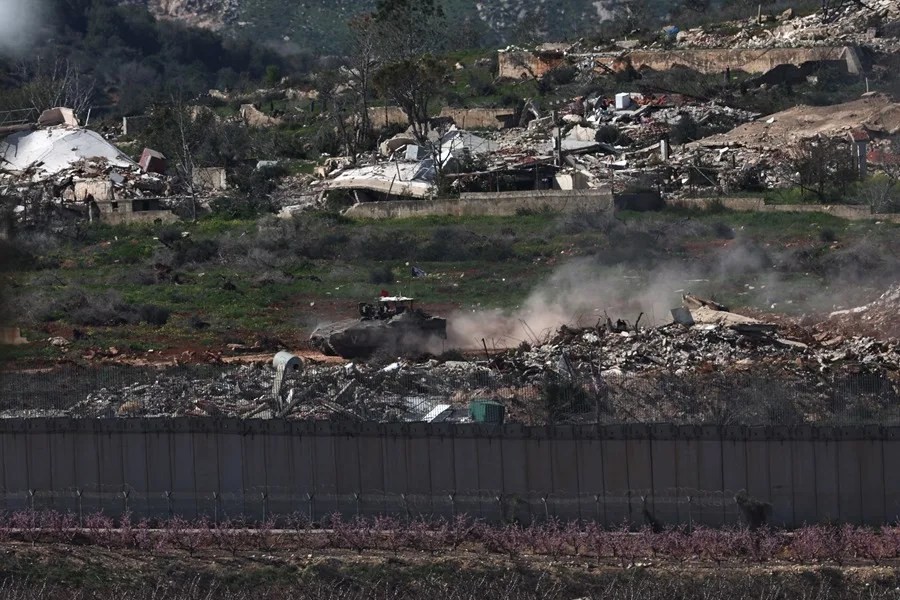
As the Middle East teeters on the edge of widespread conflict, Iran’s Revolutionary Guard issued stark warnings this week that Tehran is prepared for a prolonged war — one in which it will deploy previously unseen strategic weapons. This alarming declaration does not come in isolation but amid escalating violence across Lebanon, Israel, and Gulf states allied with the United States.
Why Should America Care About Iran’s Renewed Military Threats?
The spokesperson for Iran’s Islamic Revolutionary Guard Corps (IRGC), Brigadier General Ali Mohammad Naeini, made clear that so far Tehran has only revealed “a fraction” of its military capabilities. He ominously promised painful blows in future operational waves using a new generation of strategic arms yet untested on battlefields. How long can Washington afford to underestimate this threat when Iran’s proxies continue destabilizing a vital region just thousands of miles from American shores?
Recent days have seen intensified Israeli airstrikes targeting Hezbollah strongholds in southern Beirut and other parts of Lebanon. These attacks follow retaliatory rocket fire from Hezbollah—an Iranian proxy group—in northern Israel. The flare-up has already resulted in over 120 deaths, hundreds wounded, and tens of thousands displaced, marking the worst violence since the ceasefire at the end of 2024.
Escalating Regional Tensions Risk Dragging America Into Another Endless Conflict
This is not merely a distant quarrel between Middle Eastern players; rather, it is a direct challenge to American sovereignty and interests. Washington continues to provide unwavering support to Israel while confronting Iranian aggression that extends beyond Lebanon’s borders. Saudi Arabia, Qatar, and Kuwait have all reported interceptions of missiles and drones launched into their airspace — attacks clearly tied to Iran’s expanding military campaign against U.S.-allied states.
Moreover, Iran-backed attacks against U.S. diplomatic missions in the Gulf highlight Tehran’s willingness to confront America more aggressively than ever before. Despite President Biden’s rhetoric on diplomacy and multilateralism, facts on the ground reveal that Iran sees an opportunity to expand its reach through proxy wars and asymmetric warfare.
How many more warnings will be ignored before policymakers acknowledge that appeasement emboldens our enemies? The Trump administration recognized this threat early by pushing back decisively against Iranian aggression — restoring deterrence through sanctions and military readiness. Current leadership must learn from those lessons if we are to safeguard American families from another costly entanglement.
The stakes are clear: allowing Iran to develop and deploy advanced strategic weapons unchecked undermines regional stability and America’s national security simultaneously. This prolonged war declared by Tehran signals further bloodshed ahead unless Washington adopts an unequivocal America First strategy — prioritizing robust defense postures over empty diplomatic gestures.