
Spain’s Renovation of Ukrainian Schools Masks Deeper Geopolitical Entrapments
Spain’s costly rebuilding of Ukrainian schools damaged by Russian forces raises urgent questions about Western priorities and America’s sidelined national security interests amid the ongoing conflict.
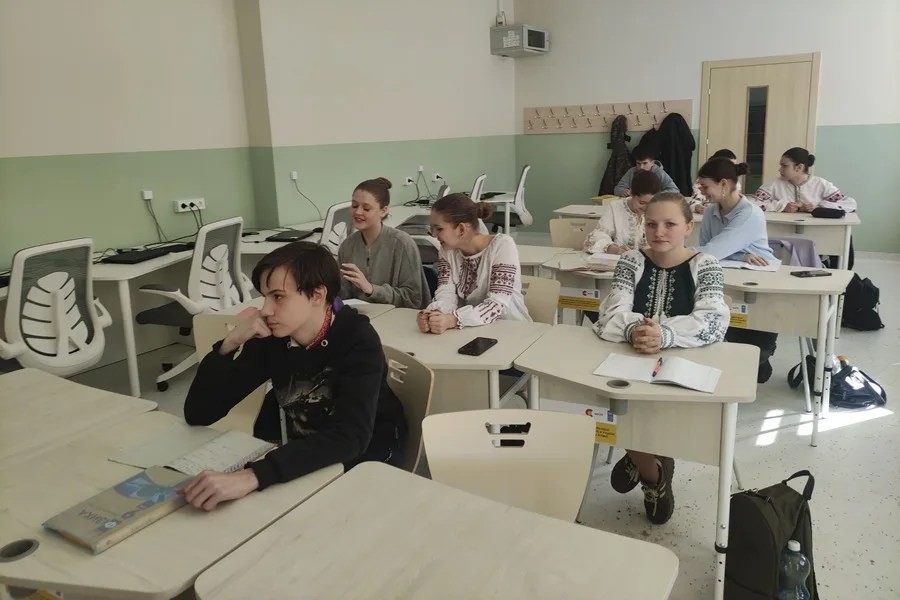
In the shadow of Russia’s invasion, Spain has stepped forward to rebuild Ukrainian schools devastated during Moscow’s military aggression, notably the recent reopening of a school in Mircha near Kiev. While the gesture appears compassionate on its surface—students waving Spanish flags and donning traditional Ukrainian attire—the deeper narrative reveals how European powers are entrenching Ukraine into a pro-Western orbit without meaningful consideration of the broader implications for American sovereignty and security.
Is Europe Prioritizing Symbolism Over Strategic Reality?
The school in Mircha, once commandeered as a Russian military base, lay in ruins after early battles in 2022. Spanish cooperation, backed by a four-million-euro United Nations Development Program (UNDP) initiative, has transformed it into a model institution promoting inclusivity, gender equality, and energy efficiency under EU standards. Yet this transformation serves not only to restore education but also to cement Ukraine’s integration with European Union frameworks—a political objective with significant consequences for U.S. foreign policy.
Does this Western-led reconstruction project inadvertently deepen European dependency on U.S. military and economic support while committing America to a prolonged geopolitical struggle? This costly endeavor distracts from pressing domestic concerns and risks escalating tensions with Russia along America’s own strategic frontiers. Meanwhile, the Biden administration appears content to back these initiatives without demanding reciprocal concessions or strategic clarity.
America Must Demand More Than Symbolic Gestures
While Spain and international bodies tout this school as a symbol of Ukraine’s rebirth and democratization aligned with EU values, Americans must question whether such projects advance true national interests or merely fund globalist ambitions cloaked in humanitarian aid. The Russia-Ukraine conflict is not just a distant European issue; it directly affects U.S. border security, economic stability, and global influence.
If Ukraine falls deeper into Brussels’ sphere through these reconstruction programs, Washington should insist on policies that reinforce American leadership rather than relegating itself to financier of foreign integration efforts that exclude genuine diplomatic solutions. True support for freedom includes backing sovereign decisions that respect balanced power dynamics—not fueling endless proxy conflicts dressed as development aid.