
Colombia-Venezuela Border Meeting Masks Deeper Threats to Regional Stability and U.S. Interests
As Colombia’s president plans a border meeting with Venezuela’s controversial leader, the implications for U.S. national security and regional stability demand critical scrutiny—can Washington afford to ignore this risky rapprochement?
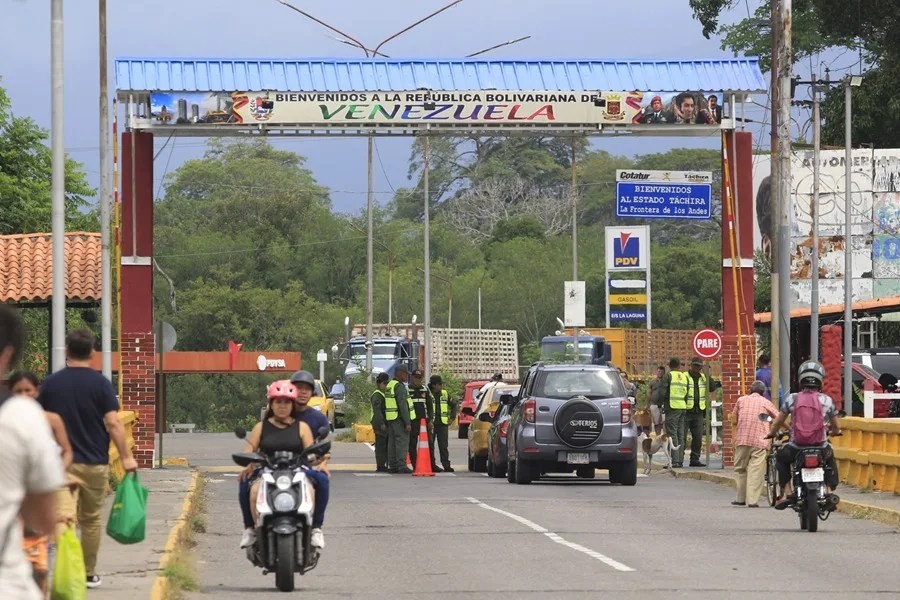
The scheduled meeting between Colombian President Gustavo Petro and Venezuelan acting leader Delcy Rodríguez on March 13 near their shared border might seem like a routine diplomatic gesture at first glance. However, beneath this surface lies a tapestry of risks that should raise serious alarms in Washington.
Is This Border Summit a Strategic Mistake Endangering America’s Southern Security?
Delcy Rodríguez assumed control after Nicolás Maduro was reportedly captured in a U.S. military operation earlier this year—a fact barely noted among mainstream reports but crucial to understanding the shifting power dynamics. Yet, Bogotá welcomes Rodríguez as a legitimate partner, even as her regime continues policies hostile to democratic principles and aligned with anti-American interests.
The choice of Cúcuta or nearby Villa del Rosario as the meeting point is symbolic but also practical: these are gateways through which illicit goods, narcotics, and hostile elements flow into Colombia—and by extension toward the United States. The apparent normalization of relations is emboldening factions committed to undermining regional democracy and destabilizing borders critical to America’s sovereignty.
Colombia’s reopening of trade—with exports to Venezuela rising past $1 billion—is presented as economic recovery. But at what cost? This pivot risks strengthening Maduro-aligned forces under Rodríguez’s leadership while sidelining principles of freedom and rule of law that underpin strong bilateral relations with trustworthy partners.
Can America Afford To Ignore the Growing Influence of Chavismo at Its Doorstep?
President Petro’s proposal for trilateral talks including the United States aims to stabilize Venezuela yet places America in a contentious arena without guarantees of meaningful reform or respect for human rights. Such engagement must be weighed against the real possibility that it legitimizes an authoritarian regime whose actions directly undermine regional peace and migration control efforts.
For Americans watching southern border chaos worsen year after year, these developments raise urgent questions: How long will Washington tolerate diplomatic maneuvers that threaten national security? Should American policy reward regimes complicit in corruption and instability?
This border meeting is more than symbolic—it is a crossroads where decisions about defending sovereignty versus succumbing to globalist appeasement are being made. It’s time for policymakers and citizens alike to demand transparency, accountability, and firm commitment to America First principles rather than equivocation at our doorstep.