
‘Tehrangeles’ Watches and Waits: Will Iranian-Americans Seize the Moment to Demand Real Freedom?
The vibrant Iranian-American community in Los Angeles embraces a rare opportunity born from regime instability—but warns against foreign interference and endless war that will only cost American lives and dollars.
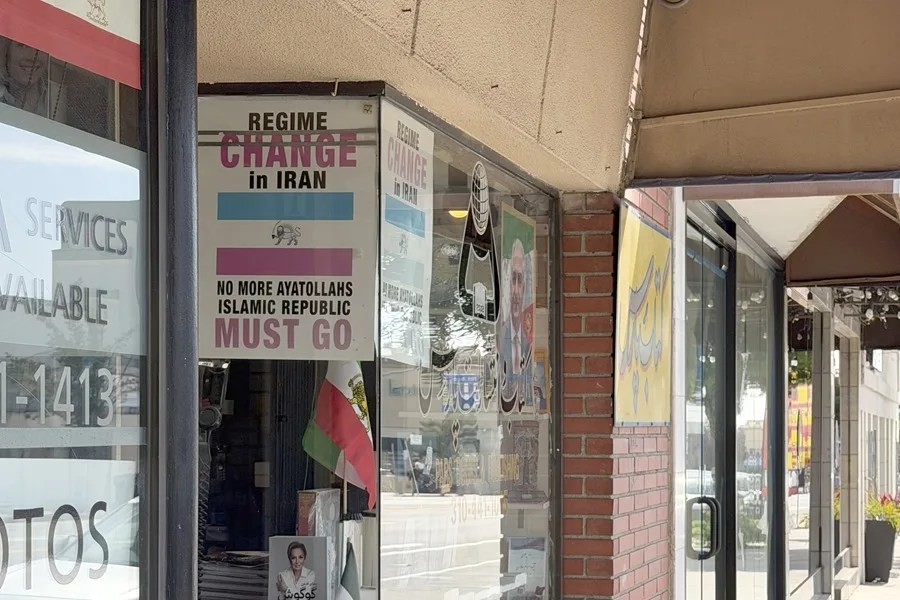
In the bustling heart of West Los Angeles lies ‘Tehrangeles,’ the largest Iranian enclave in America, where generations of immigrants have built businesses and communities bound by shared hopes for freedom. Now, with the reported death of Iran’s Supreme Leader Ali Khamenei amid an escalating conflict involving Israel and the U.S., this community faces a crossroads.
Roozbeh Farahanipour, an activist, businessman, and survivor of brutal regime repression, embodies the spirit of this diaspora. Having fled Iran after being imprisoned for leading student protests in 1999, he urges his compatriots not to rely on external powers but to take their fate into their own hands.
Can Iranians Claim Their Future Without Foreign Shadows?
Farahanipour’s warning echoes a timeless lesson for America: true liberty cannot be imposed from abroad. Despite the temptation for international actors to rewrite Iran’s destiny through force or regime change operations, real sovereignty comes when a people rise themselves. Yet Washington risks repeating costly mistakes if it pursues military solutions without empowering grassroots democratic movements inside Iran.
For families already strained by inflation and global uncertainty, another war in the Middle East means more American blood spilled and taxpayer dollars drained—without guaranteed progress toward democracy. The losses are staggering: over a thousand Iranians killed in recent strikes and six U.S. soldiers dead responding to Tehran’s retaliation.
Is Leadership From Exile the Answer or Just Another Facade?
The community is divided. Some support Reza Pahlavi, heir to the deposed shah and advocate for secular governance—a symbol resonating with many who long for pre-revolutionary stability. Others, like young Californians born into these immigrant families, call instead for an entirely new generation of leaders untainted by past regimes.
This debate underscores a critical truth often lost on Washington: imposing favored opposition figures overlooks the organic desire of Iranians for genuine democracy—not mere political puppetry orchestrated from abroad.
As Tehrangeles residents watch anxiously from thousands of miles away while family communication falters amid ongoing attacks, their call is clear: Iranian freedom must come from within. The United States should support policies that empower ordinary Iranians without entangling itself further in endless conflicts destabilizing both regions.
The lesson resonates powerfully at home: national sovereignty is sacred. Too often globalist ambitions drag America into foreign wars under the guise of exporting democracy—only to reap chaos and loss. This moment reminds us that true leadership champions liberty by standing alongside those who choose their path freely, not by writing it for them with bombs and drones.