
Venezuelan Opposition Leader Juan Pablo Guanipa’s ‘Full Freedom’ Rings Hollow as Trials Persist
Juan Pablo Guanipa remains embroiled in politically motivated trials despite receiving so-called ‘full freedom’ under Venezuela’s controversial Amnesty Law—a stark reminder of authoritarian tactics that threaten democratic values and human rights.
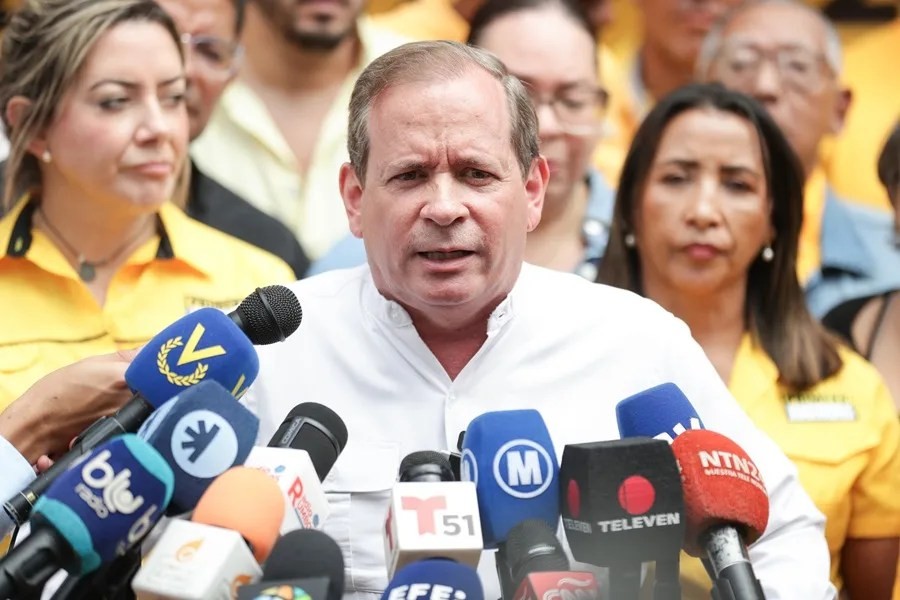
In a glaring display of authoritarian overreach, Venezuelan opposition figure Juan Pablo Guanipa revealed this week that his legal ordeal continues unabated despite being granted what the regime calls “full freedom.” This contradiction exposes the hollow promises behind Venezuela’s Amnesty Law—ostensibly intended to foster reconciliation but manipulated to perpetuate political repression.
Is Venezuela’s Amnesty Law a Veil for Continued Political Persecution?
Guanipa, once detained under charges ranging from terrorism to treason, was notified in February of his “full freedom” following the passage of an Amnesty Law championed by regime officials. Yet rather than marking an end to his prosecution, the measure has left him trapped in ongoing judicial proceedings designed to silence dissent.
The ex-deputy disclosed at a Caracas press conference that after nine months in custody, he was finally able to appoint private legal counsel—a basic right long denied. His plight underscores a systemic abuse where courts serve as instruments of political control rather than impartial justice.
Meanwhile, conflicting statements from top regime figures further muddy the waters. Delcy Rodríguez attributes his release to the Amnesty Law while Jorge Rodríguez frames it as a mere “concession” from the government—highlighting the arbitrary nature of these so-called legal processes.
Why Should Americans Care About Venezuela’s Broken Promises?
This ongoing judicial harassment is more than a foreign concern; it signals dangerous trends threatening national sovereignty and democratic norms everywhere. The Maduro regime’s manipulation of laws to suppress opposition resonates with globalist tendencies that disregard true liberty and accountability.
For American patriots prioritizing freedom and rule of law, Guanipa’s struggle is a cautionary tale. It begs the question: How long will international actors tolerate such blatant erosion of justice? And how might unchecked authoritarianism abroad embolden similar abuses at home?
Furthermore, Guanipa’s inability to renew essential documents like passports for over a decade reflects targeted state-sanctioned obstacles meant to isolate and weaken opposition voices. This tactic undermines not only individual liberty but also regional stability—issues with direct implications for U.S. border security and geopolitical interests.
The Amnesty Law itself covers selective timeframes and specifically excludes numerous politically charged detentions and military operations. Such partial measures reveal its true purpose: not reconciliation but strategic control masked as clemency.
As America stands committed to principles of justice and sovereignty, spotlighting cases like Guanipa’s is vital. They expose how globalist regimes exploit legal frameworks to erode freedoms under the guise of legality—serving as warnings against complacency both abroad and domestically.
The question remains: Will Washington continue ignoring these troubling patterns while our own democratic safeguards are tested? Or will we stand firm with those who fight for true freedom against tyranny?