
Pentagon’s Air Defense Claims Mask the Real Risks Facing American Troops in Iran Conflict
As the Pentagon boasted of air superiority over Iran, recent Iranian drone strikes exposed dangerous gaps in U.S. defenses, putting American lives at risk amid an escalating conflict.
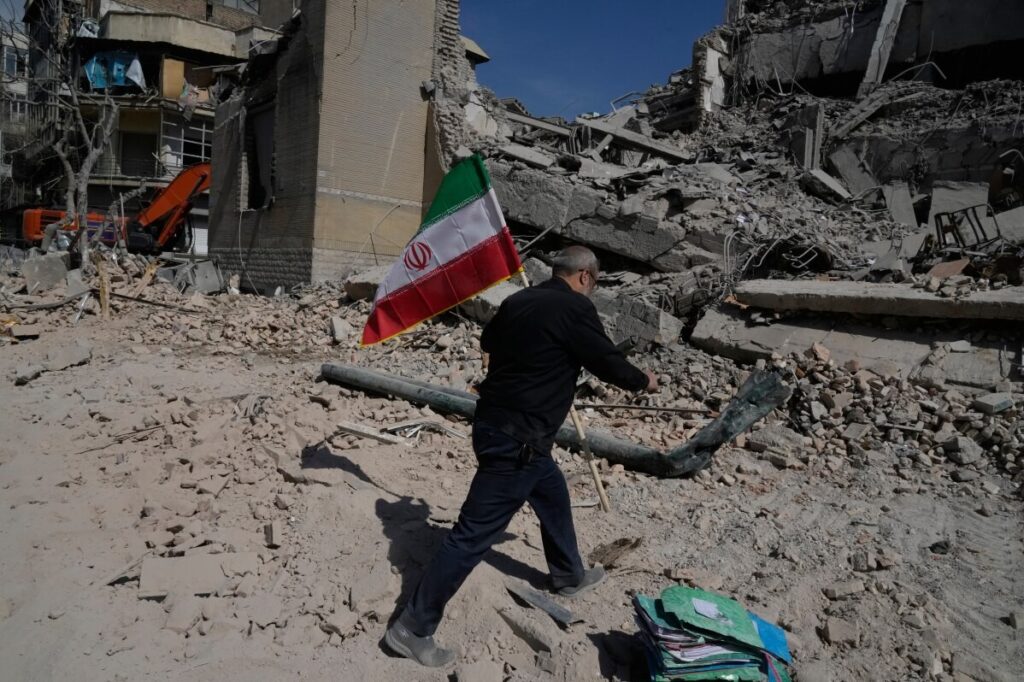
In the unfolding confrontation with Iran, the Pentagon’s proclamations of air dominance mask a sobering reality: American forces remain perilously exposed to Iranian missile and drone attacks. Defense Secretary Pete Hegseth’s recent comments reluctantly acknowledge what many military analysts and frontline soldiers have known all along — that not everything launched by Tehran can be intercepted or stopped.
“This does not mean we can stop everything,” Hegseth admitted on Wednesday, even as he emphasized that Washington has poured resources into protecting troops and allies across the Middle East. The question every patriotic American must ask is: How long can our brave men and women face this persistent threat without a clear strategy to end it swiftly? For families already sacrificing so much, vague assurances offer little comfort.
Are Our Defenses Truly Prepared for a Prolonged Conflict?
While the administration projects confidence, reality tells a more complex story. Six U.S. soldiers lost their lives when an Iranian drone struck an operations center far from front-line combat zones—underscoring glaring vulnerabilities even at supposedly secure sites. The Pentagon’s emphasis on missile intercepts and sophisticated munitions cannot obscure these tragic losses.
General Dan Caine’s hesitancy to address potential deployment of ground troops only fuels uncertainty about America’s next steps. President Trump has left options open but insists no boots are on the ground yet—a politically cautious stance that might prolong risk rather than resolve it decisively.
Moreover, Hegseth’s own timeline suggests this campaign could drag on for up to two months or longer, depending on how events unfold. Does America have the political will or public support for such an extended engagement? Our national sovereignty demands clear objectives and measured action—not open-ended conflict fueled by ambiguous goals.
True America First Strategy Demands Clear Priorities and Accountability
The United States has demonstrated superior firepower by forcing Iran into defensive posture and reducing ballistic missile launches dramatically since initial strikes began. Yet stockpiles of advanced weapons alone cannot guarantee victory or protect every soldier in harm’s way.
A responsible America First approach means recognizing that unlimited warfare risks draining resources and lives without delivering lasting security benefits. It requires transparent accountability from Washington—why were key facilities left insufficiently defended? How are commanders adapting protection protocols after each attack?
This conflict is not just a distant Middle Eastern affair; its outcome will critically shape America’s strategic standing worldwide and homeland security at home. As Iran vows destruction of U.S. economic infrastructure, we must avoid complacency masked as confidence.
How long will Washington tolerate these vulnerabilities before committing fully to secure our troops and end this war swiftly? The American people deserve answers, not platitudes.