
Meta’s Zuckerberg Faces Hard Questions Over Child Safety and Corporate Priorities in New Mexico Trial
In a landmark New Mexico trial, internal Meta documents expose how Facebook prioritized user engagement—even among vulnerable teens—while downplaying the addictive and harmful effects of social media on children. How long will Big Tech put profits before protecting America’s youth?
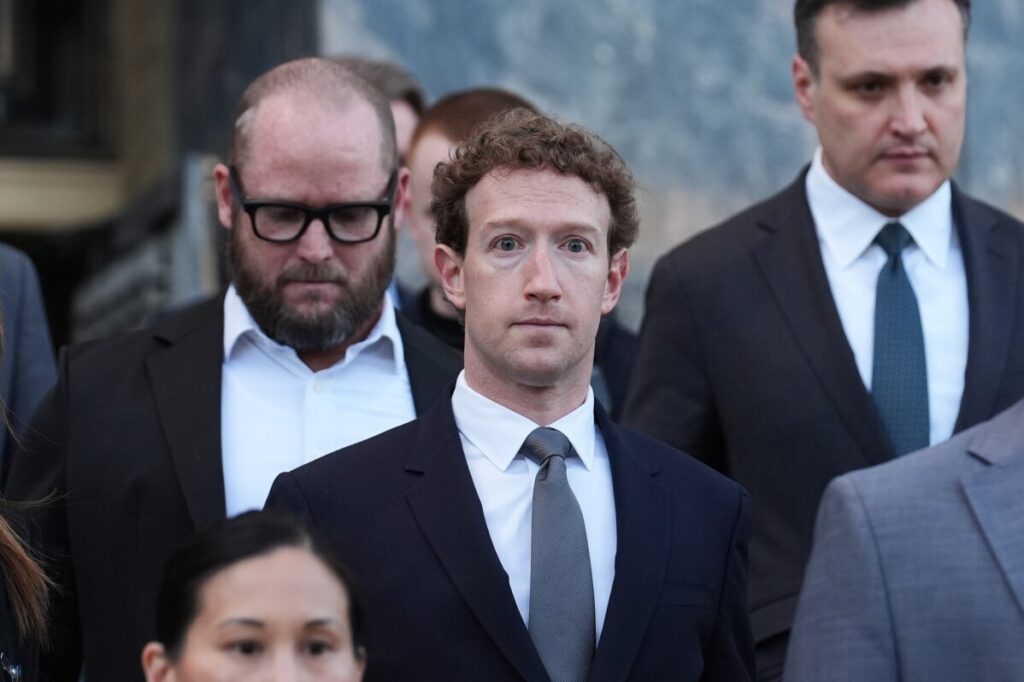
In a revealing moment during the New Mexico bellwether trial, jurors were shown a deposition of Meta CEO Mark Zuckerberg that exposes uncomfortable truths about the social media giant’s knowledge and handling of the harms inflicted on young users. This case doesn’t just pit one company against a state attorney general; it confronts a broader failure to uphold common-sense protections for American families in the digital age.
When Profit Trumps Protection: What Did Meta Really Know?
The deposition made clear that for over a decade, Facebook and Instagram internal research identified troubling patterns of addictive use among young people—a fact repeatedly brought to Zuckerberg’s attention. Yet, despite mounting evidence, the company continued to prioritize engagement metrics that directly encouraged teenagers to spend ever more time on its platforms.
As prosecutor Previn Warren pointed out, “Users of your products have repeatedly told your company and you personally that they find the products to be addictive.” Zuckerberg avoided full accountability by disputing the term “addictive,” but admitted that increasing time spent was indeed once a major business goal. Isn’t it telling when corporate leaders sidestep responsibility while knowing exactly how their algorithms exploit youthful vulnerability?
Corporate Denials vs. Real-World Consequences
Zuckerberg’s testimony also touched on controversial decisions like lifting bans on cosmetic filters on Instagram—a move he defended by dismissing anecdotal reports of harm as insufficient evidence. But while Meta claims to weed out harmful content, millions of American parents see this as too little, too late.
This trial shines a harsh light on an industry too comfortable hiding behind vague disclaimers while failing to protect children from sexual exploitation and psychological damage fueled by social media addiction. The accusations against Meta echo frustrations felt nationwide: How many tragedies must occur before lawmakers enforce real safeguards rather than rubber-stamping Big Tech’s self-regulation?
The stakes extend beyond New Mexico or any single lawsuit. This case could set a precedent for holding tech giants accountable—a critical step in reasserting national sovereignty over digital spaces that shape our culture and influence our youth.
For Americans demanding freedom from corporate manipulation and true safety for their children, this trial is a watershed moment. Will Washington continue ignoring these assaults on family values and youth well-being? Or will it finally champion policies that constrain tech giants and restore common-sense protections lost in the race for profit?