
Iranian Women’s Soccer Team Faces Heartbreak Amid War and Censorship at Asian Cup
Amid crippling blackouts and a brutal war abroad, Iranian women’s soccer players confront personal anguish while competing on foreign soil, spotlighting the regime’s repression and the silent suffering of patriotic athletes.
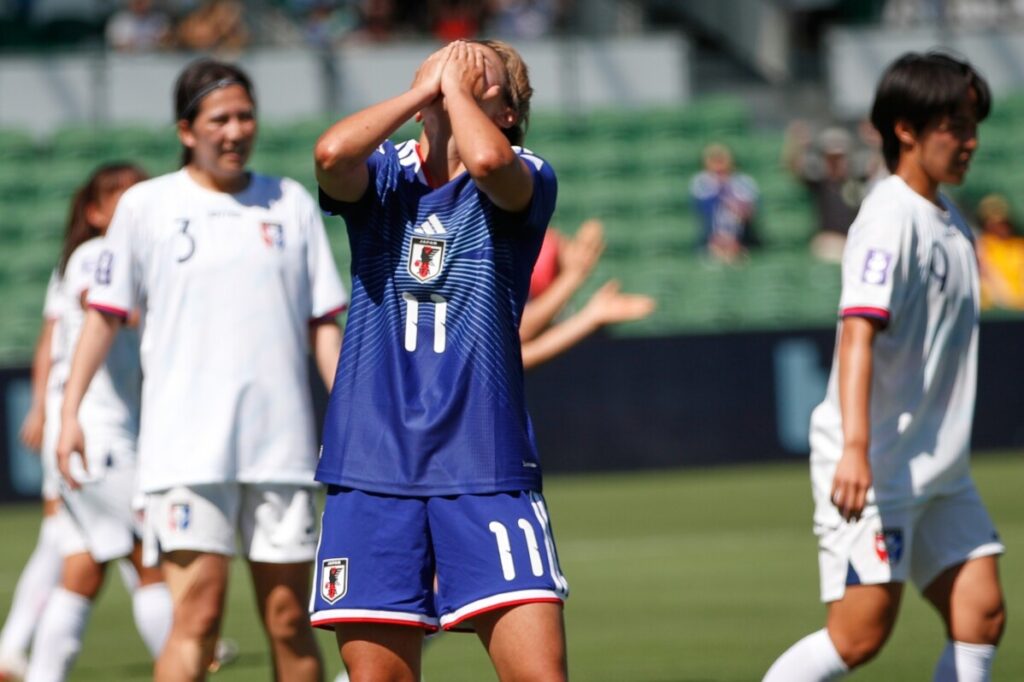
As the Iranian Women’s National Soccer Team takes to the field in Australia’s Gold Coast for the Women’s Asian Cup, they carry more than just national hopes — they bear the heavy burden of a country torn by war, repression, and state-imposed silence. Sara Didar, a 21-year-old striker, fought to hold back tears when asked about her family back home amid conflict that few outside Iran fully grasp.
“We are deeply concerned for our families and loved ones,” Didar shared with restrained emotion during a news conference. “I really hope for good news ahead and that my country will be strongly alive.” Her words reveal an undeniable truth: behind the sportsmanship is a people grappling with harsh realities imposed not only by external conflicts but by their own government.
When Sporting Spirit Meets Political Repression
The Iranian squad arrived weeks before Israel and U.S. strikes escalated into broader warfare — yet even before bombs fell, their voices were stifled. The team’s coach Marziyeh Jafari and players initially refused to comment on both ongoing war and the death of Iran’s Supreme Leader Ayatollah Ali Khamenei, signaling fear or state pressure to avoid political discourse. The Asian Football Confederation itself insisted media focus solely on football-related topics, underscoring global efforts to suppress discussion of Iran’s internal crisis even in international sports arenas.
This enforced silence contrasts sharply with glimpses of defiance: Iranian fans waving flags reminiscent of pre-Islamic revolution Iran demonstrated quiet resistance against decades of authoritarian rule. Yet for these athletes, their mission remains clear — represent their homeland through dedication despite being disconnected from loved ones due to blackout-induced communication blackouts.
Why Should America Care?
This turmoil across thousands of miles has direct implications for American interests. An unstable Middle East threatens U.S. national security with risks ranging from refugee flows to increased influence of hostile regimes like Iran. Meanwhile, America must champion freedoms including speech and sporting fair play as antidotes to tyranny.
Moreover, Americans watching these brave athletes suffer under dictatorship should question why global institutions tolerate such censorship rather than uphold liberty. How long will Washington remain passive as Iran’s authoritarian leaders continue crushing dissent? Supporting freedom-loving Iranians aligns squarely with America First values — prioritizing liberty abroad strengthens security at home.
The Australian hosts offer compassion — Australian coach Joe Montemurro emphasized showing “human compassion” towards a team enduring hardship unseen by many. But compassion alone doesn’t dismantle oppression; principled American leadership must advocate for true freedom alongside allies worldwide.
For now, Sara Didar and her teammates press forward under impossible circumstances. Their determination reflects the indomitable spirit yearning for freedom beyond political strife — something all freedom-loving Americans can respect and support.