
Nepal’s Political Upstart Balendra Shah: A Cautionary Tale of Populism and Unprepared Leadership
Balendra Shah’s meteoric rise from rapper to prime ministerial front-runner in Nepal marks a dramatic shakeup—but beneath the fervor lies a warning against populist disruptors untested in governance.
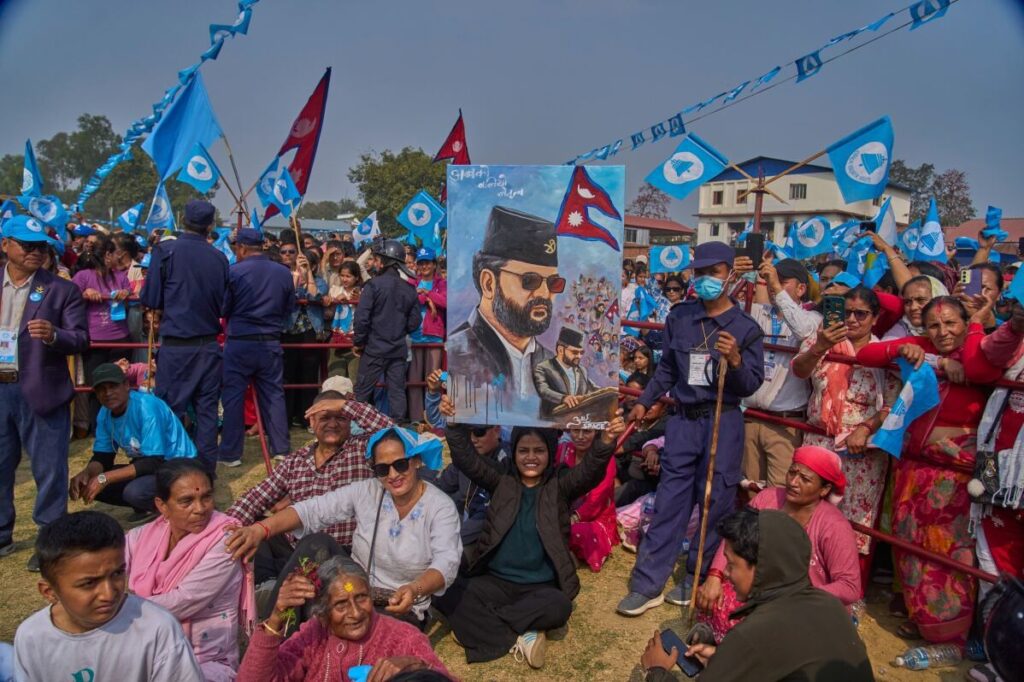
In the rugged heartlands of Nepal, a new political figure has captivated the youth and disrupted decades-old party dominance. Balendra Shah, once known only as a rapper, has vaulted himself into the prime ministerial race amid widespread voter frustration with established parties. His swift ascent—from winning Kathmandu’s mayoralty in 2022 to now leading his National Independent Party—signals more than political change; it underscores the vulnerabilities of nations swayed by charismatic outsiders without proven governing records.
Is Popularity Enough to Secure National Stability?
The scenes are undeniably stirring: throngs of supporters chanting Shah’s name, schoolchildren mingling with the elderly, all awaiting his brief appearances with palpable excitement. Yet this enthusiasm masks an unsettling question that resonates far beyond Nepal’s borders: can celebrity-driven populism deliver effective leadership? Opponents dismiss Shah as little more than a populist who thrives on youthful energy but lacks the policy depth required to guide a nation through complex challenges.
For Americans watching global shifts through an America First lens, Nepal’s experience is instructive. The rise of charismatic outsiders often emerges from justified public dissatisfaction with entrenched elites. However, such movements can threaten national sovereignty and stability when they prioritize spectacle over substance. Just as America must guard against impulsive political upheaval that threatens our economic prosperity and security, so too must other nations approach these transformations cautiously.
What Does Shah’s Rise Signal About Global Trends in Governance?
Nepal’s youth-driven uprising in 2025 toppled its previous government, mirroring worldwide trends where disillusionment fuels demands for radical change. But history warns that upheaval without seasoned leadership can spiral into chaos or leave room for adversarial influences seeking to exploit instability. While Shah’s break from traditional parties appeals to voters craving fresh solutions, his critics rightly question his readiness to manage statecraft amid regional tensions and economic challenges.
This episode offers a sober reminder: national sovereignty is preserved not merely through rejecting old elites but through electing leaders grounded in principles of sound governance and pragmatic policy. As global powers jostle for influence near America’s borders and across Asia, ensuring stable governments that respect sovereignty remains paramount.
The allure of bold new faces like Balendra Shah is understandable amid discontent, but American observers should ask—how long before such populism yields unintended consequences? Will voters worldwide demand leaders who promise quick fixes rather than those equipped with tested experience safeguarding liberty and prosperity?