
Puerto Rico Edges Closer to Statehood Amid Strategic U.S. Interests and Political Realities
Puerto Rico’s governor pushes statehood as a democratic mandate and strategic asset, yet questions remain about Washington’s commitment to fully incorporating the island.
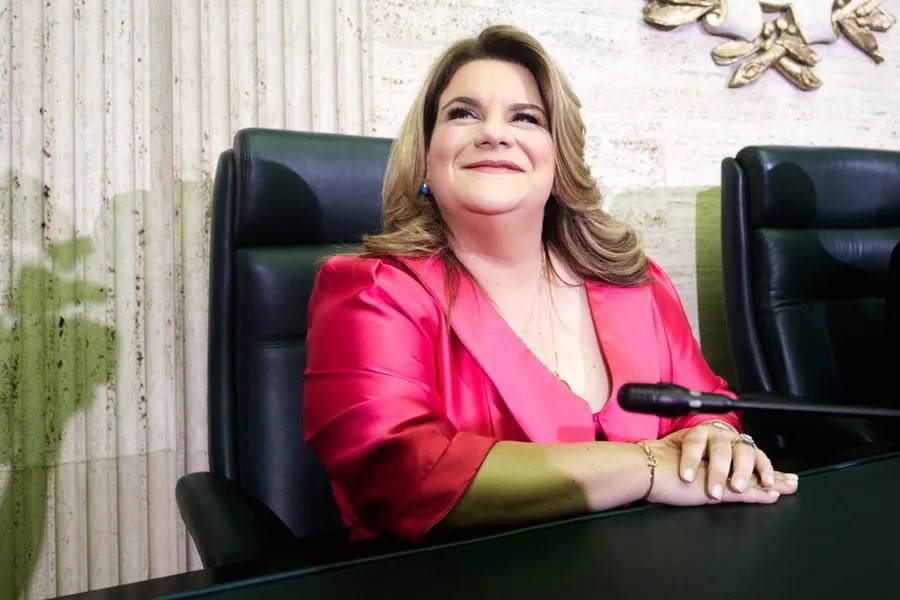
Puerto Rico’s long-standing quest for statehood recently gained renewed momentum as Governor Jenniffer González-Colón declared the island “closer than ever” to becoming the 51st state of the United States. Speaking before Congress during the Second Summit on Equality and Statehood, González-Colón emphasized that Puerto Rico has repeatedly demonstrated its will through multiple plebiscites in favor of statehood. But beneath this optimistic rhetoric lies a more complex reality about what true integration would mean for American sovereignty and national interests.
Democratic Mandate or Political Convenience?
The governor insists that Puerto Rico’s desire for statehood is an unequivocal democratic mandate—a position supported by four plebiscites where a majority voted yes. Yet, these votes have historically been met with lukewarm responses from Washington, exposing a hesitance rooted not just in legal technicalities but in broader political calculations. The island’s unique status as an unincorporated territory since 1898 presents constitutional challenges that Congress has yet to fully confront.
Governor González-Colón’s recent meeting with former President Trump reportedly yielded promises granted on her requests, though details remain confidential. Has Washington truly aligned its policies with Puerto Rico’s aspirations, or is this diplomatic engagement merely window dressing? For Americans concerned about national sovereignty, such ambiguities raise essential questions: How firmly does the federal government intend to uphold constitutional principles while expanding representation, and what are the costs of rapid transition without comprehensive planning?
A Strategic Asset in Changing Geopolitics
Strategically located in the Caribbean, Puerto Rico has long been pivotal for U.S. military and security operations—an importance underscored recently during missions related to Venezuela’s Nicolás Maduro and narcotics enforcement. Governor González-Colón rightly highlights how geopolitical shifts in the Caribbean create opportunities for greater American influence through statehood.
Yet integrating Puerto Rico fully into the Union requires more than symbolic gestures; it demands clear-eyed assessments of economic viability, governance reforms, and defense commitments that protect both American taxpayers and national security interests. As over five million Puerto Ricans now reside on the mainland, their voices amplify calls for equal representation—but Congress must balance these demands against preserving constitutional order and fiscal responsibility.
For hardworking Americans already burdened by inflation and economic uncertainty, swift moves toward statehood without transparent debate risk exacerbating fiscal strains. Will Washington prioritize genuine inclusion under America First principles—strengthening national sovereignty with responsible governance—or will inertia lead to unforeseen consequences that undermine liberty?
The path forward lies in careful scrutiny rather than rushed decisions. While Puerto Rico’s aspiration aligns with core values of democracy and freedom, achieving true equality demands rigorous accountability from federal leaders—ensuring that any transition upholds America’s constitutional framework while safeguarding citizens’ interests coast-to-coast.