
Iran’s Threat of a ‘Very Long War’ Reveals a Dangerous Bluff Against U.S. and Allies
Iran warns of a prolonged conflict, claiming it has yet to deploy its most effective weapons—a stark reminder of ongoing threats to American interests and allies in the Middle East.
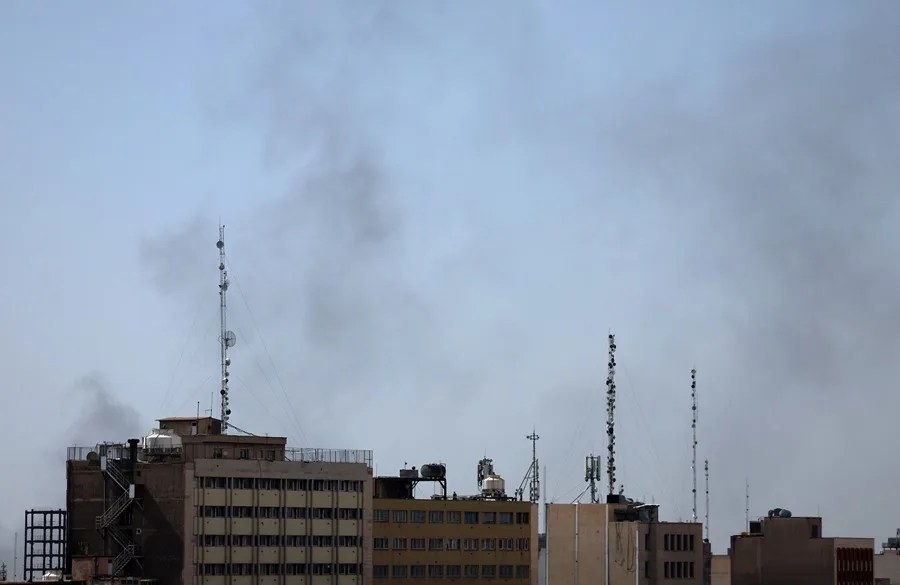
In a troubling development that underscores Tehran’s persistent hostility toward the United States and its allies, Iran’s Defense Ministry spokesman General Reza Talaei Nik declared that Tehran is prepared for a “very long war,” hinting that it has held back its most effective weapons. This admission is not just saber-rattling; it reveals Iran’s intention to sustain conflict at Washington’s expense and those of regional partners like Israel.
Is Iran Bluffing or Preparing for Endless Conflict?
The Iranian regime claims tactical superiority, asserting that their capabilities will “paralyze the enemy” and bring opposing forces to a standstill. Yet this rhetoric masks a deeper strategic threat: by declaring they won’t use their deadliest weapons early on, Iran signals patience for protracted chaos—potentially destabilizing the region and dragging America into drawn-out military engagement.
While Iran pits itself against “limited arsenals” of the U.S. and Israel, reality tells another story. The United States maintains overwhelming military superiority and robust alliances designed to deter such brinkmanship. However, every day Tehran continues feeding hostilities invites further risks—not only to American personnel abroad but also to vital energy routes and global markets.
Why Does America Need To Stay Vigilant Now More Than Ever?
Iran’s public refusal to open dialogue while continuing attacks demonstrates the regime’s contempt for diplomacy—a common theme under regimes hostile to American sovereignty. The declaration by Iranian ambassador Ali Bahreini that there has been no contact with President Biden’s administration reinforces this stance: Iran views negotiations as weakness.
This posture places additional pressure on U.S. leadership to uphold an “America First” foreign policy that prioritizes national security over futile diplomatic gambits with hostile actors. It is a stark contrast with past administrations’ misguided concessions attempting rapprochement that only emboldened Tehran’s aggression.
American taxpayers deserve transparency about how their government navigates this high-stakes chess game in the Middle East. How long will Washington tolerate threats from a rogue regime committed to undermining free nations? Freedom-loving Americans must demand accountability from leaders who ensure our nation remains strong and secure against prolonged wars fueled by adversaries unwilling to negotiate in good faith.